
Uncategorized

Uncategorized

Why Do Some People Produce More Ear Wax Than Others?

Why Do Some People Produce More Ear Wax Than Others? Ear wax is something most people rarely think about until it starts causing problems. For some individuals, ear wax appears to build up quickly no matter how often they clean their ears. Others may hardly notice it at all. This naturally raises the question: why do some people produce more ear wax than others? Excessive ear wax is actually very common and affects millions of people every year. In many cases, it is harmless and simply part of how the body protects the ears. However, when too much wax builds up, it can lead to blocked ears, discomfort, temporary hearing loss, tinnitus, dizziness, and even ear infections. Understanding the causes of ear wax buildup can help people manage their ear health more effectively and avoid common mistakes that often make the problem worse. In this guide, we will explain what ear wax is, why some people naturally produce more of it, the symptoms of excessive wax buildup, and when professional ear wax removal may be necessary. What Is Ear Wax? Ear wax, also known medically as cerumen, is a natural substance produced inside the ear canal. It is made by special glands located in the outer part of the ear canal and combines with dead skin cells, hair, and natural oils. Although many people think ear wax is dirty or unhealthy, it actually plays an important role in protecting the ears. Ear Wax Helps To: Trap dust and dirt before they reach the eardrum Prevent bacteria and fungi from growing Lubricate the ear canal Protect sensitive skin inside the ears Reduce irritation caused by water and debris Without ear wax, the ear canal would become dry, itchy, and more vulnerable to infection. Normally, the ears are self-cleaning. Jaw movements from talking and chewing gradually move old wax toward the outer ear where it naturally falls out or can be gently wiped away. Problems occur when too much wax is produced or when the wax cannot exit the ear canal properly. Why Do Some People Produce Excessive Ear Wax? There is no single reason why some people experience excessive ear wax buildup. In most cases, it is caused by a combination of genetics, lifestyle habits, ear shape, age, and environmental factors. Some people simply produce more wax naturally than others. Below are the most common causes of excessive ear wax. Genetics and Natural Ear Wax Production One of the biggest factors influencing ear wax production is genetics. Just like people inherit hair colour or eye colour, they also inherit the way their body produces ear wax. Some individuals naturally have: More active wax glands Narrower ear canals Stickier ear wax consistency Faster wax production These traits can make certain people more likely to experience blocked ears and impacted wax throughout their lives. Interestingly, ear wax types can vary between populations. Some people produce wet, sticky wax while others produce dry, flaky wax. Wet wax tends to build up more easily and is more likely to cause blockages. If your parents struggled with excessive ear wax, there is a good chance you may experience similar problems. Narrow or Curved Ear Canals The shape and size of the ear canal can significantly affect how ear wax exits the ear. Some people naturally have: Very narrow ear canals Curved ear canals Hairy ear canals Small openings These features can trap wax inside the ear more easily and prevent the ear’s natural cleaning process from working efficiently. Even normal amounts of wax may become impacted when the ear canal is too narrow for wax to move outward properly. This is one reason why some individuals experience repeated ear blockages despite maintaining good hygiene. Age and Ear Wax Build-Up Age is another major factor linked to ear wax buildup. As people get older: Ear wax often becomes drier and harder The natural migration process slows down Ear canal hairs may become thicker Skin inside the ears changes These changes make it easier for wax to become stuck inside the ear canal. Older adults are therefore more likely to experience impacted ear wax and hearing difficulties caused by blockages. Excessive ear wax is especially common in elderly hearing aid users because hearing aids can also interfere with natural wax removal. Using Cotton Buds Makes Wax Worse One of the biggest misconceptions about ear care is that cotton buds help clean the ears. In reality, cotton buds are one of the leading causes of impacted ear wax. Instead of removing wax, cotton buds often push it deeper into the ear canal where it becomes compacted near the eardrum. Repeated use of cotton buds can cause: Hard wax blockages Ear canal irritation Infections Damage to the ear canal Temporary hearing loss Many people who suffer from excessive ear wax unknowingly worsen the problem by trying to clean their ears too frequently. Most healthcare professionals recommend avoiding cotton buds completely. Earbuds and Headphones Can Contribute to Wax Build-Up Modern lifestyles have also increased ear wax problems. Frequent use of: Earbuds In-ear headphones Ear plugs Noise-cancelling devices can block the natural movement of wax out of the ear canal. These devices may also push wax deeper into the ears over time. Additionally, wearing earbuds for long periods can increase warmth and moisture inside the ear canal, creating an environment where wax becomes softer and more compacted. People who use earbuds daily often experience recurring blocked ears. Hearing Aids and Excessive Ear Wax Hearing aids are another common cause of wax buildup. Hearing aids partially block the ear canal, which can: Prevent wax from naturally exiting Stimulate increased wax production Push wax deeper into the ear Even small amounts of wax can interfere with hearing aid performance and reduce sound quality. For this reason, hearing aid users are often advised to have their ears checked regularly for wax buildup. Professional ear cleaning can help improve hearing aid effectiveness and comfort. Stress and Skin Conditions Certain health conditions may also increase ear
Uncategorized

Can Ear Wax Cause Dizziness or Balance Problems?

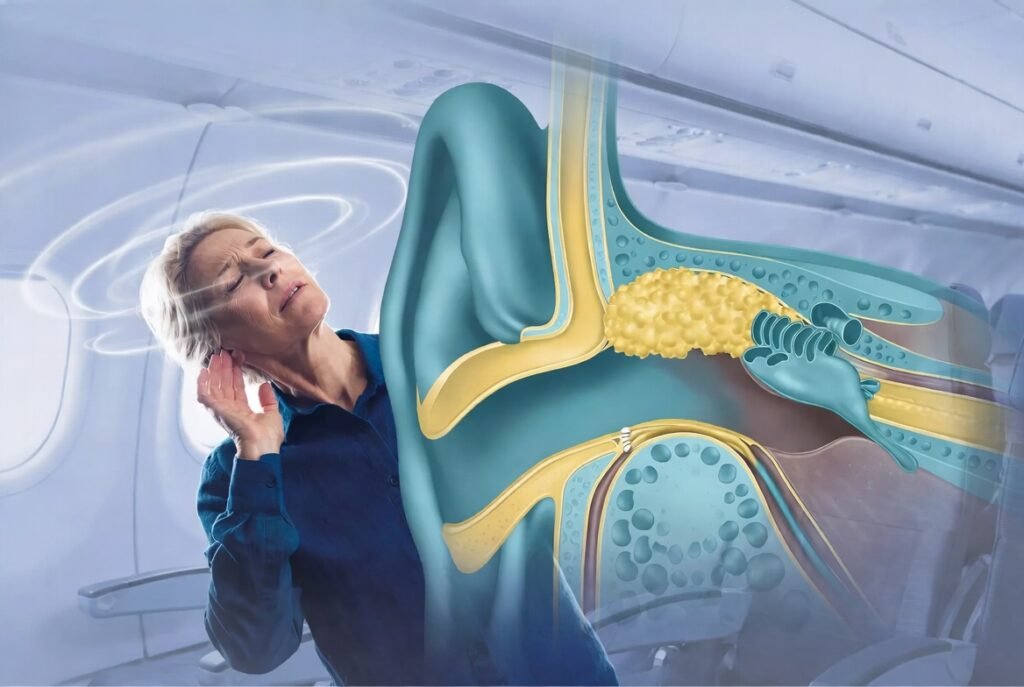
Can Ear Wax Cause Dizziness or Balance Problems? Many people are surprised to discover that ear wax can sometimes affect more than just hearing. While most people associate ear wax build-up with muffled hearing or blocked ears, impacted ear wax may also contribute to dizziness, balance issues, feelings of pressure, and even vertigo-like symptoms in some cases. If you have recently experienced dizziness together with blocked ears, ringing in the ears, pressure, or hearing changes, ear wax could be part of the problem. The ears play a major role in maintaining balance, and when something interferes with the ear canal or hearing system, it can sometimes affect how stable you feel. In this article, we’ll explain: How the ears help control balance Whether ear wax can cause dizziness The connection between blocked ears and vertigo Symptoms of impacted ear wax When to seek professional help The safest ear wax removal methods Understanding the Ear’s Role in Balance To understand why ear wax may sometimes cause dizziness, it helps to first understand how the ear works. The ear is divided into three main sections: The outer ear The middle ear The inner ear The inner ear contains structures responsible for both hearing and balance. Tiny fluid-filled canals inside the inner ear help your brain understand your body’s position and movement. These balance systems constantly send signals to your brain to help you stay upright and coordinated. When the ears become blocked or pressure changes occur, it can sometimes interfere with how these signals are processed. This may lead to symptoms such as: Light-headedness Feeling off-balance Dizziness Vertigo Spatial disorientation Although severe dizziness is not always caused by ear wax, impacted wax can contribute to balance disturbances in certain people. What Is Impacted Ear Wax? Ear wax, also known as cerumen, is a natural substance produced by glands inside the ear canal. Its purpose is to: Protect the ears from dust and debris Trap bacteria and particles Lubricate the ear canal Prevent irritation and dryness Normally, ear wax slowly moves out of the ears naturally. However, some people produce excess wax, while others experience wax that becomes hard and compacted. When ear wax builds up and blocks the ear canal, it is known as impacted ear wax. Impacted ear wax can lead to several symptoms, including: Blocked ears Muffled hearing Ear discomfort Ringing in the ears Pressure sensations Dizziness or imbalance Can Ear Wax Really Cause Dizziness? Yes — in some cases, impacted ear wax may contribute to dizziness or balance problems. When a blockage becomes severe, it can place pressure on sensitive parts of the ear canal or affect how sound and balance information are processed. Some people describe this sensation as: Feeling unsteady Feeling like the room is spinning Light-headedness Feeling “off” Sudden imbalance when standing up This is particularly common when one ear is more blocked than the other, which may create uneven hearing and pressure sensations. Although ear wax is not always the direct cause of vertigo, removing the blockage often improves symptoms for many patients. The Connection Between Blocked Ears and Vertigo Vertigo is a specific type of dizziness where it feels as though you or your surroundings are spinning or moving. Blocked ears can sometimes contribute to vertigo because the balance organs inside the ear are highly sensitive to pressure changes and disturbances. When impacted wax creates pressure or affects hearing input, the brain may receive mixed signals from the ears and eyes. This mismatch can sometimes trigger: Spinning sensations Motion sensitivity Nausea Difficulty focusing Balance problems Some patients notice that their dizziness worsens when: Turning their head quickly Standing up suddenly Walking Lying down Exercising It is important to remember that vertigo can also have many other medical causes, including inner ear infections and vestibular disorders. However, impacted ear wax is one possible and often overlooked factor. Symptoms That May Suggest Ear Wax Is Affecting Balance Not all dizziness is caused by ear wax. However, certain symptoms may suggest that impacted wax is contributing to the problem. Signs may include: 1. Blocked Ear Sensation Many people feel fullness or pressure inside the ear before dizziness begins. 2. Muffled Hearing Hearing changes alongside dizziness can point toward ear blockage. 3. Ringing in the Ears (Tinnitus) Some patients experience buzzing or ringing sounds together with balance problems. 4. Feeling Unsteady You may feel slightly off-balance when walking or standing. 5. Symptoms in One Ear If dizziness occurs mainly alongside blockage in one ear, impacted wax may be involved. 6. Symptoms Improve After Cleaning Many patients notice improvement after professional ear wax removal. Why Some People Are More Likely to Experience Ear Wax Dizziness Not everyone with blocked ears becomes dizzy. Certain people are more sensitive to ear pressure and hearing changes than others. Factors that may increase the risk include: Naturally narrow ear canals Heavy ear wax production Use of hearing aids Frequent earbud use Previous ear conditions Sensitive balance systems Older age People with existing inner ear problems may also notice stronger symptoms when wax build-up occurs. Can Ear Wax Cause Severe Vertigo? In some cases, severe wax blockage may trigger significant dizziness or vertigo-like symptoms. However, severe or ongoing vertigo should never automatically be blamed on ear wax alone. If dizziness is intense, persistent, or associated with symptoms such as: Double vision Severe headache Chest pain Weakness Slurred speech Fainting You should seek urgent medical attention immediately. Professional assessment is important because dizziness can sometimes indicate more serious medical conditions unrelated to ear wax. How Ear Wax Removal May Help Dizziness If impacted ear wax is contributing to dizziness or balance problems, removing the blockage may help restore normal hearing and pressure balance inside the ears. Many patients report improvement in: Hearing clarity Ear pressure Balance Light-headedness General comfort However, it is important that ear wax removal is performed safely and professionally. The Safest Ear Wax Removal Methods Modern ear wax removal clinics typically recommend microsuction as one of the safest and most effective

Uncategorized

Ear Infection: Symptoms, Causes, Treatment and When to Seek Help

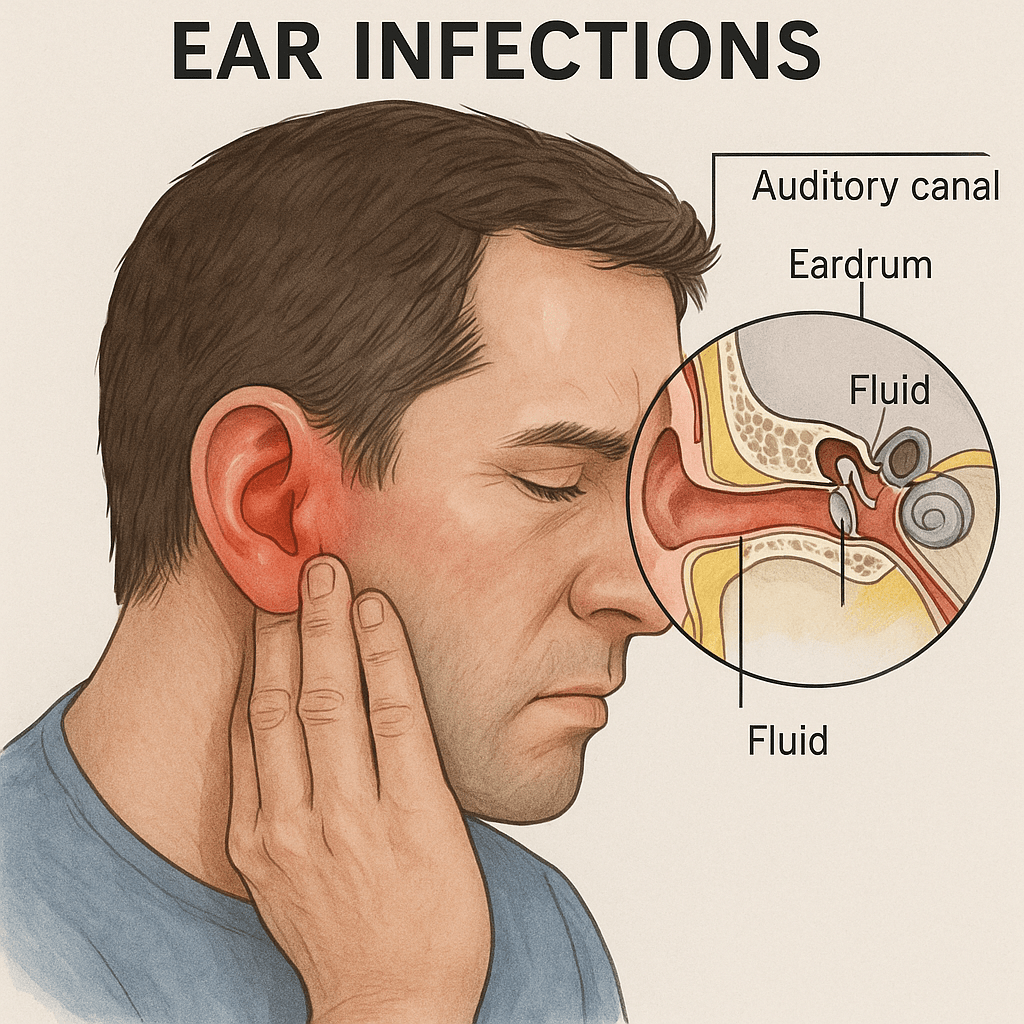
Ear Infection: Symptoms, Causes, Treatment and When to Seek Help An ear infection can cause pain, pressure, itching, discharge and changes in hearing. While some ear infections clear with appropriate care, others may require medical assessment and treatment. Because some symptoms of an ear infection can look similar to problems caused by ear wax build-up, it is important to understand the difference. In this guide, we explain the common symptoms of ear infections, what can cause them, and when you should seek professional advice. What Is an Ear Infection? An ear infection occurs when part of the ear becomes inflamed or infected. There are different types of ear infections, depending on which part of the ear is affected. Outer ear infection An outer ear infection affects the ear canal and is often known as swimmer’s ear or otitis externa. It can develop when the skin inside the ear canal becomes irritated or infected. Water remaining in the ear after swimming can contribute to the problem. Middle ear infection A middle ear infection affects the area behind the eardrum. These infections can sometimes develop following a cold or respiratory infection, particularly when the Eustachian tube becomes blocked. Inner ear problems Problems affecting the inner ear are less commonly referred to simply as an “ear infection”. Conditions affecting the inner ear can sometimes cause symptoms such as dizziness, balance problems or hearing changes and require appropriate medical assessment. What Are the Symptoms of an Ear Infection? Symptoms can vary depending on the type and severity of the infection. Common symptoms may include: Ear pain Ear tenderness A feeling of pressure or fullness Itching Redness or swelling Muffled or reduced hearing Fluid or discharge from the ear Ringing in the ear Fever in some cases Dizziness or balance problems in some situations You do not need to have every symptom to have an ear infection. What Causes Ear Infections? Different factors can contribute to different types of ear infections. For outer ear infections, possible factors include: Water remaining in the ear Swimming Irritation of the ear canal Scratching inside the ear Using cotton buds or other objects inside the ear Certain skin conditions Middle ear infections can occur following respiratory infections such as colds, particularly when fluid becomes trapped behind the eardrum. Can Ear Wax Cause an Ear Infection? Ear wax itself is not the same thing as an ear infection. Ear wax is a natural substance that helps protect and lubricate the ear canal. However, excessive or impacted ear wax can sometimes contribute to problems within the ear canal. It can also cause symptoms that resemble an ear infection, including: Blocked hearing Muffled hearing Ear pressure Discomfort Itching Tinnitus This is why it is important not to assume that every blocked or uncomfortable ear is caused by an infection or ear wax. An appropriate ear examination can help determine what is happening. How Can You Tell the Difference Between Ear Wax and an Ear Infection? There can be some overlap between the symptoms. Ear wax build-up commonly causes: Blocked ears Muffled hearing A feeling of fullness Reduced hearing Occasionally tinnitus or discomfort An ear infection may be more likely to cause: Significant ear pain Tenderness Itching or inflammation Discharge Swelling Fever in some cases However, symptoms alone cannot always establish the cause. If you have persistent symptoms, an ear examination is the safest way to determine what may be happening. Can You Remove Ear Wax If You Have an Ear Infection? If you suspect you have an ear infection, do not simply assume that ear wax removal will solve the problem. The ear should be assessed first. Depending on what is found, a healthcare professional may recommend treatment for the infection or another appropriate approach. Professional ear wax removal may be considered when excessive wax is confirmed and treatment is appropriate. Can You Swim With an Ear Infection? It is generally sensible to avoid swimming while you have an active ear infection, particularly if you have pain, discharge or inflammation. Water entering an irritated ear canal may worsen discomfort and potentially delay recovery. Ask your healthcare professional when it is appropriate for you to return to swimming. Can Cotton Buds Cause Ear Infections? Putting cotton buds into the ear canal can irritate the delicate skin and potentially push ear wax deeper into the ear. Small areas of irritation or damage to the skin can also make it easier for infection to develop. For this reason, cotton buds should not be used to dig out ear wax. The outer part of the ear can be gently cleaned with a cloth, but objects should not be inserted into the ear canal. How Are Ear Infections Treated? Treatment depends on the type and cause of the infection. Some ear infections improve without antibiotics, while others may require specific treatment. Depending on the diagnosis, treatment may involve: Pain relief Prescription ear drops Other medication Treatment for an underlying condition Monitoring symptoms Antibiotics are not appropriate for every ear infection because some infections have different causes. A healthcare professional can determine the most appropriate treatment. When Should You See a Doctor About an Ear Infection? You should seek medical advice if you have significant or persistent ear symptoms. This is particularly important if you experience: Severe or worsening ear pain Discharge or fluid from the ear Significant hearing loss Swelling around the ear Fever Persistent dizziness Symptoms that are not improving Repeated ear infections Sudden hearing loss If you experience sudden hearing loss, particularly in one ear, seek urgent medical assessment rather than assuming it is caused by ear wax. Sudden hearing changes can have causes that require prompt attention. How Can You Reduce the Risk of Ear Problems? There are several simple ways to protect your ears. Avoid putting objects into your ears Do not use cotton buds or other objects to remove ear wax from inside the ear canal. Keep your ears dry when appropriate If you frequently experience outer ear problems after swimming,

gelfer.net/pl
Scroll to Top