Uncategorized

Uncategorized

Best Hearing Aids in Ruislip

Best Hearing Aids in Ruislip: Complete 2026 Buyer’s Guide Hearing loss affects millions of people across the UK, yet many delay seeking help because they are unsure which hearing aids to choose or where to begin. Thanks to remarkable advances in hearing technology, today’s hearing aids are smaller, smarter, and more effective than ever before. Modern devices can automatically adjust to your surroundings, connect wirelessly to smartphones, stream television audio directly into your ears, and even reduce background noise using artificial intelligence. If you’re searching for the best hearing aids in Ruislip, this guide will help you understand the different styles, features, costs, and what to look for when choosing a provider. We’ll also explain why working with a qualified audiologist is just as important as selecting the right hearing aid. Why Choosing the Right Hearing Aid Matters Every person’s hearing loss is unique. Some people struggle to hear conversations in noisy restaurants, while others have difficulty hearing television, telephone calls, or family members speaking quietly. Buying a hearing aid isn’t simply about purchasing a device—it’s about receiving a personalised hearing solution based on comprehensive hearing assessments and professional fitting. An experienced audiologist will evaluate: Your type of hearing loss The severity of your hearing loss Your lifestyle Your communication needs Your budget Any medical conditions affecting your hearing Proper assessment ensures your hearing aids deliver the best possible results from day one. Do You Need Hearing Aids? Many people don’t realise their hearing has gradually deteriorated over several years. Common signs include: Frequently asking people to repeat themselves Turning the television volume higher than others prefer Difficulty understanding conversations in restaurants Missing doorbells or telephone rings Ringing in the ears (tinnitus) Feeling exhausted after social conversations Struggling to hear children or female voices If these symptoms sound familiar, arranging a professional hearing assessment is the first step toward improving your hearing. Types of Hearing Aids Available in Ruislip Today’s hearing aids come in several different styles, each designed to suit different levels of hearing loss and cosmetic preferences. Behind-the-Ear (BTE) Behind-the-ear hearing aids remain one of the most popular choices. These devices sit comfortably behind the ear while a small tube delivers sound into the ear canal. Benefits include: Suitable for mild to profound hearing loss Easy to adjust Long battery life Comfortable for daily use Excellent speech clarity They are particularly suitable for first-time hearing aid users. Receiver-in-Canal (RIC) RIC hearing aids have become increasingly popular because they combine powerful performance with discreet appearance. Advantages include: Smaller than traditional BTE models Natural sound quality Excellent speech understanding Rechargeable options available Comfortable for extended wear Many premium hearing aid manufacturers now focus primarily on Receiver-in-Canal designs. In-the-Ear (ITE) ITE hearing aids fit inside the outer ear. They are ideal for users wanting a compact solution while still benefiting from larger controls and batteries. Advantages include: Easier handling Suitable for mild to severe hearing loss Comfortable fit Custom moulded Completely-in-Canal (CIC) For those prioritising discretion, CIC hearing aids sit deep inside the ear canal. Benefits include: Nearly invisible Natural appearance Reduced wind noise Comfortable for many users However, these models may not suit severe hearing loss and can be more difficult to handle due to their small size. The Latest Hearing Aid Technology in 2026 Hearing aid technology has advanced dramatically over the past few years. Modern hearing aids now include features that would have seemed impossible just a decade ago. Artificial Intelligence AI-powered hearing aids learn your listening preferences and automatically adapt to different environments. Whether you’re walking through Ruislip High Street, enjoying dinner with family, or attending a business meeting, AI technology continuously adjusts sound processing for clearer conversations. Bluetooth Connectivity Most premium hearing aids now connect directly to: iPhones Android smartphones Tablets Smart TVs Laptop computers This allows users to stream calls, music, podcasts, and television audio directly into their hearing aids. Rechargeable Batteries Disposable batteries are becoming increasingly uncommon. Rechargeable hearing aids now offer: All-day battery life Overnight charging No battery replacements Better environmental sustainability Lower long-term maintenance Background Noise Reduction One of the biggest complaints among people with hearing loss is difficulty hearing speech in noisy environments. Modern hearing aids use advanced directional microphones and intelligent noise reduction algorithms to prioritise speech while reducing unwanted background sounds. This significantly improves conversations in busy cafés, restaurants, shopping centres, and family gatherings. Which Hearing Aid Brands Are Most Popular? Several manufacturers consistently produce high-quality hearing aids trusted by audiologists worldwide. Leading brands include: Phonak Oticon Signia Widex Starkey ReSound Each manufacturer offers different strengths, and the most suitable option depends on your individual hearing profile rather than the brand name alone. A qualified audiologist will recommend devices based on your hearing assessment rather than promoting a single manufacturer. Why Professional Fitting Is Essential Even the world’s most advanced hearing aid will perform poorly if it isn’t professionally programmed. Professional fitting includes: Comprehensive hearing assessment Precise programming Real Ear Measurements Speech testing Comfort adjustments Follow-up appointments Ongoing support and maintenance These services ensure your hearing aids continue performing optimally as your hearing changes over time. Choosing a Hearing Aid Provider in Ruislip When selecting a hearing clinic, consider more than just the price of the hearing aids. Look for providers offering: Qualified audiologists Comprehensive hearing assessments Independent advice Access to multiple hearing aid brands Ongoing aftercare Repairs and servicing Hearing aid adjustments Long-term support For residents in and around Ruislip, Hear Clear Pro provides comprehensive hearing assessments, professional hearing aid fittings, ongoing aftercare, and access to leading hearing aid technology from major manufacturers. You can learn more about their hearing care services at https://www.hearclearpro.co.uk/.

Uncategorized

When Should You Remove Ear Wax?

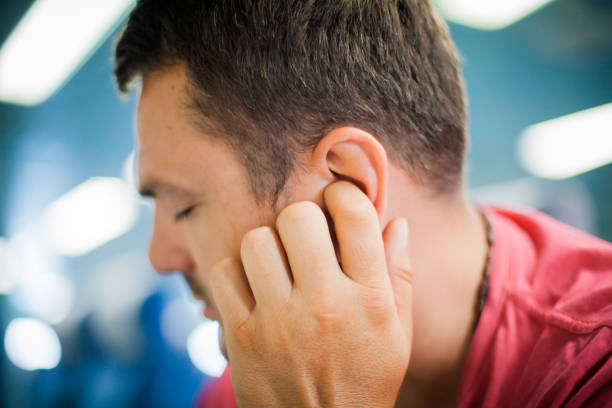
When Should You Remove Ear Wax? Ear wax, also known as cerumen, is a natural substance produced inside the ear canal to help protect the ears from dirt, bacteria, and other harmful particles. Although many people think ear wax should always be removed, it actually plays an important role in maintaining healthy ears. In most cases, the ears clean themselves naturally by slowly moving wax out of the canal over time. However, there are situations where ear wax can build up excessively and begin causing discomfort or hearing problems. Knowing when ear wax should be removed is important because unnecessary cleaning can sometimes do more harm than good. Professional ear wax removal is generally recommended when symptoms of blockage or impacted wax begin affecting daily life or hearing. When Ear Wax Becomes a Problem Not all ear wax needs to be removed. In fact, many people go years without requiring any professional treatment. Ear wax only becomes a concern when it accumulates excessively and blocks the ear canal. Impacted ear wax occurs when wax becomes trapped deep inside the ear canal and cannot exit naturally. This may happen gradually over time or after repeated use of cotton buds, earphones, or hearing aids. Once wax becomes compacted, it can begin causing noticeable symptoms that interfere with comfort and hearing. The severity of symptoms can vary from person to person. Some individuals experience only mild discomfort, while others may notice significant hearing reduction or persistent blocked ears. Signs That You May Need Ear Wax Removal One of the clearest signs that ear wax may need removal is reduced or muffled hearing. Excess wax can block sound from reaching the eardrum properly, making conversations and everyday sounds harder to hear. Many people also experience a sensation of fullness or pressure inside the ear. Some describe it as feeling like water is trapped in the ear canal. This blocked sensation may affect one or both ears depending on where the wax has accumulated. Earache or discomfort can also develop when wax presses against the ear canal or eardrum. In some cases, impacted wax may cause itching, dizziness, or ringing in the ears, commonly known as tinnitus. If hearing aids suddenly produce feedback noises or stop functioning correctly, excess ear wax may be interfering with the device. People who wear hearing aids are particularly prone to wax buildup because hearing devices can block the natural movement of wax out of the ear. Temporary Hearing Loss Caused by Ear Wax Many people are surprised to learn that ear wax can sometimes cause temporary hearing loss. When the ear canal becomes fully blocked, sound waves cannot travel effectively to the eardrum. This often results in muffled hearing or a noticeable reduction in hearing ability. Fortunately, hearing typically improves quickly once the impacted wax has been professionally removed. However, it is important not to assume all hearing problems are caused by wax. A professional examination can help determine whether ear wax is the true cause of the symptoms. Why Some People Need Ear Wax Removal More Often Certain individuals naturally experience more ear wax buildup than others. This may be due to genetics, narrow ear canals, excessive hair inside the ears, or naturally dry wax that struggles to exit the ear canal. Hearing aid users often require more frequent ear cleaning because hearing devices can trap wax inside the ear. People who regularly use earphones or earbuds may also experience increased wax accumulation. Older adults are another group commonly affected by impacted ear wax. As people age, ear wax often becomes harder and drier, making it more difficult for the ears to clean themselves naturally. Some people may need professional ear wax removal every few months, while others may rarely require treatment at all. When You Should Avoid Removing Ear Wax Yourself Many people attempt to remove ear wax at home using cotton buds or other objects. Unfortunately, this often pushes the wax deeper into the ear canal and worsens the blockage. Cotton buds may create impacted wax that becomes harder to remove naturally. Inserting sharp objects into the ears can also damage the delicate skin inside the ear canal or even injure the eardrum. Ear candles and certain home remedies are also discouraged because they can cause burns, irritation, or further complications. While some over-the-counter ear drops may help soften wax, they are not always suitable for everyone. If symptoms persist or worsen, professional assessment is usually the safest option. How Professionals Remove Ear Wax Modern ear wax removal methods are much safer and more effective than many home cleaning techniques. One of the most widely recommended treatments today is microsuction ear wax removal. Microsuction uses a gentle medical suction device to carefully remove wax while the clinician views the inside of the ear using magnifying equipment. Because the ear is clearly visible during the procedure, microsuction allows for precise and controlled wax removal. Unlike traditional ear syringing, microsuction does not involve flushing water into the ear canal. This makes it suitable for many people with sensitive ears, perforated eardrums, or previous ear surgery. Professional ear wax removal is usually quick and many patients notice immediate improvement in hearing and comfort after treatment. How Often Should You Remove Ear Wax? There is no universal schedule for ear wax removal because every person’s ears are different. Some individuals may never require treatment, while others benefit from regular appointments. People who frequently experience blocked ears or wear hearing aids may choose to have their ears checked every few months. Others may only need occasional treatment when symptoms appear. It is generally not recommended to remove ear wax too often if there are no symptoms. Ear wax serves a protective purpose, and unnecessary cleaning can irritate the ear canal or disrupt the ear’s natural cleaning process. The best approach is usually to monitor for symptoms and seek professional advice if hearing changes or discomfort develops. Symptoms That Require Professional Attention While ear wax buildup is common, certain symptoms should

Uncategorized

What Happens During a Microsuction Appointment?

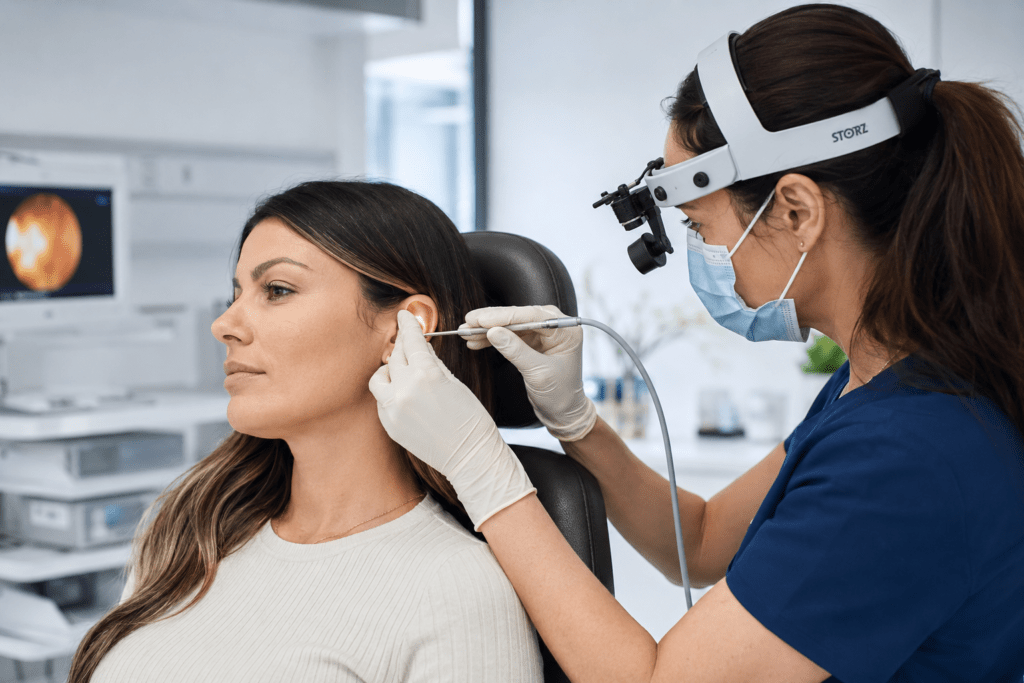
What Happens During a Microsuction Appointment? Blocked ears, muffled hearing, ringing sounds, dizziness, and discomfort are all common symptoms of excessive ear wax build-up. Many people delay treatment because they feel nervous about ear wax removal or simply do not know what to expect during the procedure. One of the most effective modern treatments available today is microsuction ear wax removal. Microsuction has become increasingly popular across the UK because it is fast, precise, safe, and usually much more comfortable than traditional ear syringing. Unlike older methods that use water irrigation, microsuction uses gentle medical suction equipment combined with magnification to safely remove excess wax from the ear canal. If you are considering treatment for blocked ears, this guide explains exactly what happens during a microsuction appointment, from the initial consultation to aftercare and recovery. What Is Microsuction Ear Wax Removal? Microsuction is a professional ear cleaning procedure used to remove excess or impacted ear wax from the ear canal. During the treatment, a trained clinician uses a small sterile suction device together with magnifying equipment to carefully remove wax without pushing it deeper into the ear. The procedure is considered one of the safest methods of ear wax removal because the clinician can clearly see inside the ear throughout the process. Microsuction is commonly recommended for people experiencing: Blocked ears Hearing loss caused by wax Tinnitus Ear discomfort Ear pressure Balance issues linked to wax build-up Hearing aid blockage Recurrent wax problems Because the procedure does not rely on flushing water into the ear canal, it is often suitable for patients who cannot undergo ear syringing. Why Do People Need Microsuction? Ear wax, also known as cerumen, is a natural substance produced by glands inside the ear canal. It helps protect the ears by trapping dust, bacteria, and debris before they can reach deeper parts of the ear. Normally, ear wax moves out of the ear naturally. However, some people produce too much wax or experience blockages when wax becomes compacted. Several factors can increase the risk of impacted ear wax: Narrow Ear Canals Some individuals naturally have smaller or curved ear canals, making it harder for wax to exit naturally. Hearing Aids and Earbuds Frequent use of hearing aids, earphones, or earplugs can push wax deeper into the ear canal. Cotton Bud Use Using cotton buds often pushes wax further into the ear instead of removing it. Age Older adults commonly experience harder, drier ear wax that becomes impacted more easily. Skin Conditions Conditions such as eczema or psoriasis can affect wax production and ear canal health. When wax becomes impacted, professional microsuction treatment may be necessary. Preparing for a Microsuction Appointment One of the most common questions patients ask is whether they need to prepare before attending their appointment. In many cases, clinics recommend using olive oil ear drops for several days before treatment. The drops help soften hard wax, making removal easier and more comfortable. How to Use Olive Oil Drops Patients are usually advised to: Apply 2–3 drops into the affected ear Use the drops 1–2 times daily Continue for approximately 3–7 days before the appointment Softening the wax beforehand can improve treatment success and reduce procedure time. However, some clinics can still perform microsuction without prior softening depending on the severity and consistency of the wax. Arriving at the Clinic When you arrive for your microsuction appointment, the clinician will first discuss your symptoms and medical history. This initial consultation is important because it helps identify: How long symptoms have been present Whether hearing loss is occurring Any pain or discharge Previous ear infections Past ear surgeries Existing medical conditions Use of hearing aids The clinician may also ask whether you have experienced: Tinnitus Dizziness Ear pressure Sudden hearing changes Balance problems Providing accurate information helps ensure the treatment is safe and appropriate for your situation. Examination of the Ear Canal Before beginning the microsuction procedure, the clinician carefully examines the ear canal using specialized equipment. This may include: An otoscope Magnifying loupes A medical microscope An endoscope camera The examination allows the clinician to: Confirm wax build-up Assess blockage severity Identify inflammation or infection Check for eardrum damage Evaluate the safest removal approach Patients are often surprised to discover how much wax is present once the ear is examined. In some clinics, digital cameras allow patients to see images of the ear canal before and after treatment. What Happens During the Microsuction Procedure? The actual microsuction procedure is usually straightforward and relatively quick. Positioning Patients typically sit comfortably in a chair while the clinician positions themselves beside the ear. Good lighting and magnification are used throughout the treatment. The Suction Device The clinician uses a very small sterile suction tube attached to a low-pressure medical suction machine. The tube gently removes wax from the ear canal without forcing water inside the ear. Magnified Precision Because the clinician can directly see inside the ear canal during treatment, microsuction allows for highly precise wax removal. This visual control makes the procedure safer than blind cleaning methods. Removing the Wax The clinician carefully loosens and removes the wax piece by piece. Depending on the wax consistency, they may also use tiny medical instruments such as: Fine hooks Curettes Forceps These tools help remove stubborn or hardened wax safely. What Does Microsuction Feel Like? Many people feel anxious before their first appointment because they worry the procedure may hurt. Fortunately, microsuction is generally well tolerated. Most patients describe the sensation as: Strange but not painful Mildly noisy Ticklish Slightly uncomfortable at times Because the suction device works inside a narrow ear canal, patients often hear amplified sounds during the procedure. These sounds may include: Suction noises Crackling Popping Vibrations This is completely normal. Some people may briefly experience mild sensitivity if the wax is tightly impacted against the ear canal wall. However, severe pain is uncommon. How Long Does a Microsuction Appointment Take? A typical microsuction appointment usually lasts between 15 and 30 minutes. The exact

vvBlocked Ears After Flying: Causes, Symptoms, and Effective Solutions
Uncategorized

Blocked Ears After Flying: Causes, Symptoms, and Effective Solutions

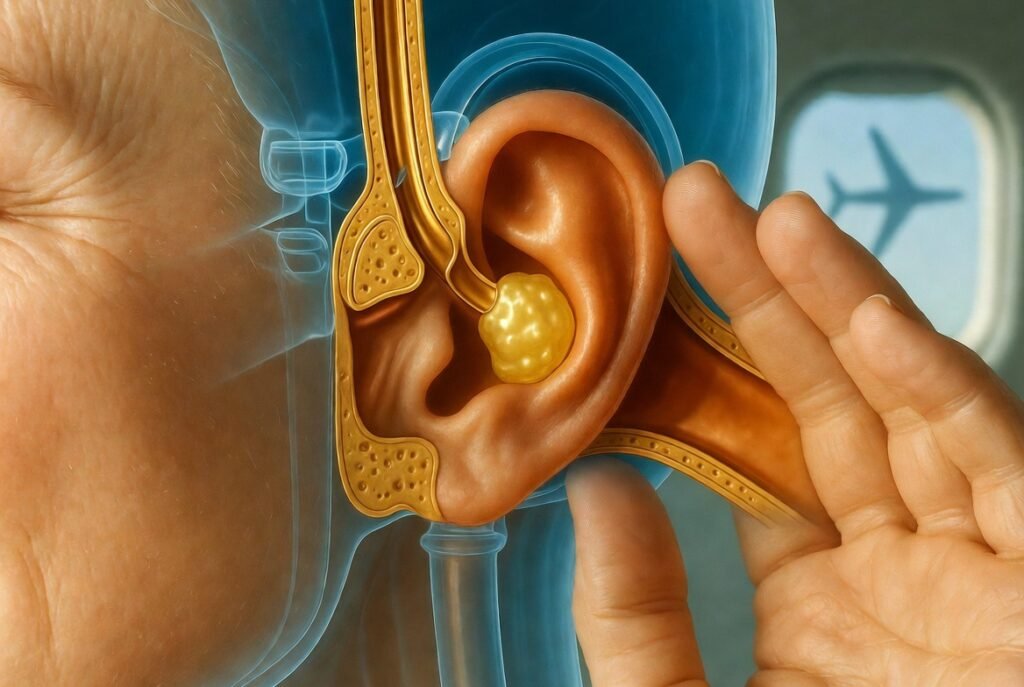
Blocked Ears After Flying: Causes and Solutions Flying is one of the fastest and most convenient ways to travel, but for many people it comes with an uncomfortable side effect — blocked ears after a flight. Some passengers experience mild pressure that disappears quickly, while others struggle with muffled hearing, pain, dizziness, or a feeling that their ears will not “pop” for hours or even days after landing. Blocked ears after flying are extremely common and are usually caused by rapid pressure changes inside the cabin during take-off and landing. In most cases the condition is temporary, but for some people it can become painful and frustrating, especially if underlying ear wax build-up, sinus congestion, allergies, or infections are involved. Understanding why ears become blocked during flights and knowing how to safely treat the problem can help you avoid discomfort and protect your hearing. Why Do Ears Become Blocked After Flying? Your ears contain a small passage called the Eustachian tube. This tube connects the middle ear to the back of the nose and throat. Its job is to regulate air pressure inside the ears and keep pressure balanced between the inner ear and the outside environment. When you fly, cabin pressure changes rapidly, particularly during ascent and descent. The Eustachian tubes must open and close properly to equalise this pressure. If they fail to work effectively, pressure becomes trapped inside the middle ear, creating the sensation of blocked ears. This condition is often called airplane ear or ear barotrauma. Common Symptoms of Blocked Ears After Flying Symptoms can vary from person to person. Some individuals experience only mild discomfort while others may develop severe ear pressure. Common symptoms include: Muffled hearing Feeling of fullness in the ears Ear popping Temporary hearing loss Ear pain or discomfort Ringing in the ears (tinnitus) Dizziness Crackling sounds Pressure that does not disappear after landing In more severe cases, people may experience sharp pain or fluid build-up inside the ear. Why Some People Experience Worse Ear Pressure During Flights Not everyone experiences blocked ears equally. Several factors can make airplane ear worse. 1. Ear Wax Build-Up Excess ear wax can partially block the ear canal, making pressure changes feel more intense. When ear wax is already impacting hearing, flying may worsen the sensation of blockage. People with impacted ear wax often notice: Increased muffled hearing after flights Difficulty clearing ear pressure Temporary hearing reduction Increased discomfort during descent Professional microsuction ear wax removal can help restore normal airflow and improve comfort during flights. 2. Sinus Congestion Colds, flu, allergies, or sinus infections can inflame the Eustachian tubes, preventing them from opening properly. When this happens, pressure becomes trapped inside the ear more easily. Flying with congestion is one of the most common causes of severe airplane ear. 3. Allergies Hay fever and allergies can cause swelling inside the nose and throat, reducing the ability of the Eustachian tubes to regulate pressure. People with seasonal allergies often notice worsening ear pressure during flights. 4. Upper Respiratory Infections Even a mild cold can interfere with ear pressure equalisation. Many doctors recommend avoiding flights when severely congested because pressure changes may become painful. 5. Anatomical Differences Some individuals naturally have narrower Eustachian tubes, making them more prone to ear pressure problems. Children are particularly vulnerable because their Eustachian tubes are smaller and less developed. What Happens Inside the Ear During a Flight? During take-off, cabin pressure decreases. Air trapped inside the middle ear expands and usually escapes naturally through the Eustachian tube. During landing, the opposite happens. Cabin pressure increases rapidly, and the ears must allow air back into the middle ear to equalise pressure. If the Eustachian tubes cannot open correctly, a vacuum effect develops, causing: pressure discomfort muffled hearing pain This is why most ear discomfort occurs during descent rather than take-off. How Long Do Blocked Ears Last After Flying? For many people, symptoms disappear within minutes or hours after landing. However, some individuals experience symptoms for: several hours a full day multiple days Persistent blocked ears after flying may indicate: impacted ear wax sinus inflammation Eustachian tube dysfunction fluid trapped behind the eardrum ear infection If symptoms last longer than a few days, professional evaluation may be necessary. Safe and Effective Solutions for Blocked Ears After Flying Fortunately, several treatments can help relieve pressure safely. 1. Swallowing and Yawning Swallowing activates the muscles that open the Eustachian tubes. This helps pressure equalise naturally. Chewing gum, sipping water, or sucking sweets during descent can significantly reduce discomfort. Yawning also helps open the tubes and relieve pressure. 2. The Valsalva Maneuver One of the most common ear pressure treatments is the Valsalva maneuver. To perform it: Close your mouth Pinch your nose shut Gently blow as if blowing your nose This can force air into the middle ear and equalise pressure. However, it should be done gently. Excessive force can damage the ears. 3. Nasal Decongestants Nasal sprays or decongestants may help reduce swelling around the Eustachian tubes. These products are often used before flights to improve airflow and pressure equalisation. They may be especially helpful for people with: allergies colds sinus congestion Decongestants should be used carefully and according to medical guidance. 4. Warm Compress Applying a warm cloth over the ears may help improve circulation and reduce discomfort. Warmth can also help relax surrounding muscles. 5. Stay Hydrated Dry cabin air can irritate nasal passages and worsen congestion. Drinking water before and during flights helps keep tissues hydrated and may improve Eustachian tube function. 6. EarPlanes or Pressure-Regulating Earplugs Special earplugs designed for air travel help slow pressure changes entering the ear canal. These products can reduce discomfort during ascent and descent. Many frequent flyers use them successfully. 7. Professional Ear Wax Removal If impacted ear wax is contributing to blocked ears after flying, professional removal may provide immediate relief. Microsuction ear wax removal is widely considered one of the safest and most effective methods. Benefits include: improved hearing reduced pressure sensation

gelfer.net/pl
Scroll to Top