
Author name: Paul Jolly

Uncategorized

How Much Does Earwax Removal Cost in the UK?

How Much Does Earwax Removal Cost in the UK? Blocked ears can cause discomfort, hearing loss, dizziness, and even infections. When this happens, the best solution is professional earwax removal. But many people wonder: “How much does earwax removal cost in the UK?” With NHS earwax removal services no longer widely available, patients often turn to private clinics. Prices vary, but the good news is you don’t need to spend a fortune. At Cleaner Ears, we provide safe, professional microsuction earwax removal at some of the lowest local prices. 📍 Our clinics are conveniently located in Ruislip, Wembley, Hampstead, Kingsbury, and Harrow. Unlike many private providers, we also: Take no deposit when booking online Offer same-day appointments Provide Sunday availability for added convenience Why Microsuction at Cleaner Ears Is the Best Choice Microsuction is the gold standard for earwax removal, and it’s the method we use at all Cleaner Ears clinics. Here’s why patients choose it: Safe and Gentle: No water is used, so there’s less risk of infection. Fast Relief: Most procedures take just 15 minutes. Suitable for All: Ideal even for those with perforated eardrums or hearing aids. Audiologist-led care: All treatments are carried out by experienced professionals using hospital-grade equipment. NHS vs Private Earwax Removal The NHS used to provide earwax removal at GP surgeries, but in many areas, this service has been stopped. Patients are now advised to go private, which is why it’s important to find a clinic with fair pricing. At Cleaner Ears, our mission is to keep ear care accessible and affordable, without compromising on quality. Why Choose Cleaner Ears? ✔ Lowest local prices from £35✔ Clinics in Ruislip, Wembley, Hampstead, Kingsbury, and Harrow✔ Open on Sundays✔ Home visit service available✔ Fast online booking with no deposit required✔ Thousands of happy patients across London Conclusion The cost of earwax removal in the UK can be expensive, often ranging from £60 to over £120. But at Cleaner Ears, we provide professional, audiologist-led microsuction starting from just £35 for one ear or £49 for both ears. With the lowest prices locally, safe hospital-grade equipment, and convenient clinics across London, Cleaner Ears makes ear care simple, effective, and affordable. 👉 Book your appointment online today at www.cleanerears.co.uk or call 01895 677776. Would you like me to also prepare shorter “location landing pages” (e.g., Earwax Removal in Ruislip – Just £49 for Both Ears) so you rank in Google for each clinic location?

Uncategorized

What Happens If Earwax Is Left Untreated? The Hidden Dangers of Ignoring Blocked Ears

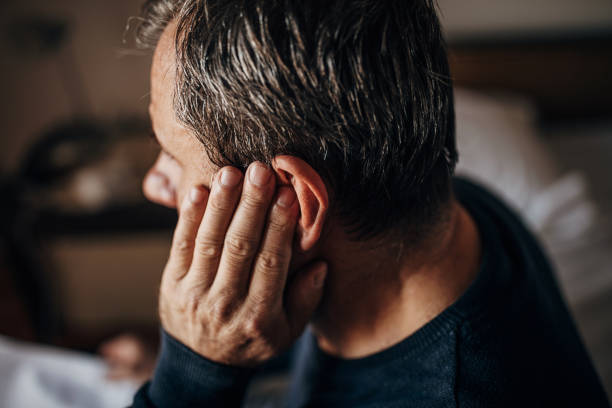
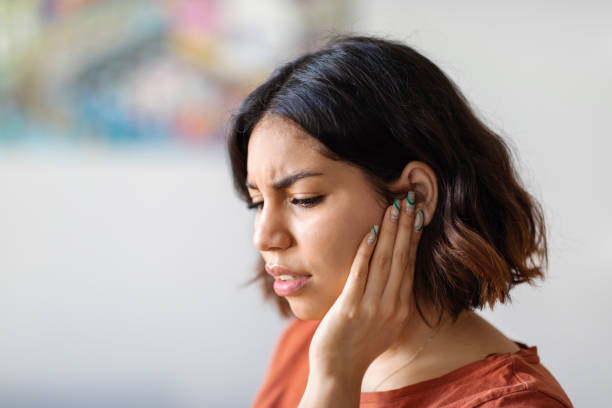
What Happens If Earwax Is Left Untreated? The Hidden Dangers of Ignoring Blocked Ears Earwax is a natural and important substance that helps protect the ears from dust, bacteria, and debris. However, when earwax builds up and becomes impacted, it can cause a wide range of problems that many people underestimate or ignore. Blocked ears may start as a mild inconvenience, but leaving earwax untreated can lead to serious discomfort, hearing issues, and even long-term ear health complications. In this article, we explore what happens when earwax is left untreated, the risks involved, and why professional earwax removal is so important. Why Earwax Builds Up in the First Place Normally, earwax moves out of the ear canal naturally. However, this process does not always work effectively. Earwax build-up is more likely if you: Use cotton buds or ear cleaning tools Wear earphones or hearing aids regularly Have narrow or curved ear canals Produce excess earwax naturally Are over the age of 60 When wax is pushed deeper into the ear or cannot exit naturally, it becomes impacted and blocks the ear canal. What Happens If You Ignore Blocked Ears? 1. Gradual Hearing Loss One of the most common consequences of untreated earwax is hearing loss. Impacted wax blocks sound waves from reaching the eardrum properly, causing muffled or reduced hearing. Many people mistake this for age-related hearing loss, when in reality it can often be completely reversed with professional earwax removal. 2. Persistent Ear Discomfort and Pain As earwax continues to build up, it can press against the sensitive walls of the ear canal or the eardrum. This pressure can cause: Dull aching pain A feeling of fullness Sharp discomfort when chewing or yawning Ignoring these symptoms can allow the problem to worsen over time. 3. Ringing in the Ears (Tinnitus) Untreated earwax can trigger tinnitus, which is commonly described as ringing, buzzing, or humming sounds in the ears. This happens when blocked sound pathways interfere with how the brain processes sound. In many cases, tinnitus caused by earwax improves or disappears completely once the blockage is safely removed. 4. Dizziness and Balance Problems The ears play a crucial role in balance. Impacted earwax can interfere with the inner ear, leading to: Dizziness Light-headedness Balance issues or unsteadiness These symptoms can be particularly dangerous for older adults, increasing the risk of falls. 5. Increased Risk of Ear Infections When earwax is left untreated, it can trap moisture and bacteria inside the ear canal. This creates the perfect environment for infections to develop. Symptoms of an ear infection may include: Pain and swelling Redness inside the ear Discharge or unpleasant odour Fever in more severe cases Prompt earwax removal reduces the risk of infection and related complications. 6. Damage to the Eardrum Severe or prolonged earwax impaction can place pressure on the eardrum. In some cases, attempts to remove wax at home using cotton buds, hairpins, or ear candles can cause accidental damage. Eardrum damage can result in pain, hearing loss, and the need for specialist medical treatment. Can Untreated Earwax Cause Permanent Hearing Damage? In most cases, hearing loss caused by earwax is temporary. However, if earwax remains untreated for long periods, especially alongside infections or inflammation, it can contribute to long-term hearing problems. This is why early intervention is essential. A simple ear check and professional wax removal can prevent unnecessary complications. Why Home Remedies Often Make Things Worse Many people attempt to treat blocked ears at home using cotton buds, oils, or DIY tools. Unfortunately, these methods often push wax deeper into the ear canal, making the blockage worse. Home remedies can also increase the risk of: Ear canal injury Infection Impacted wax that becomes harder to remove Professional earwax removal is always the safest and most effective solution. The Safest Way to Treat Blocked Ears The gold standard for earwax removal is microsuction. This method is: Safe and clinically approved Quick and virtually painless Performed under direct visual guidance Suitable for adults, children, and hearing aid users Microsuction removes earwax without introducing water or pressure into the ear, reducing risks significantly. When Should You Book an Appointment? You should book a professional ear check if you experience: Blocked or muffled hearing Ear pain or pressure Ringing or buzzing sounds Dizziness or balance issues Recurrent ear infections Even if symptoms are mild, early treatment prevents them from escalating. Frequently Asked Questions How long can earwax safely stay in the ear? There is no exact timeframe, but if earwax causes symptoms or blocks hearing, it should be removed as soon as possible. Is it dangerous to leave earwax untreated? Yes. Untreated earwax can lead to infections, hearing loss, balance problems, and ongoing discomfort. Can earwax come out on its own? Sometimes, but impacted earwax often requires professional removal. Book Professional Earwax Removal Today Ignoring blocked ears can lead to unnecessary discomfort and serious ear health problems. The good news is that earwax build-up is easy to treat when addressed early. Cleaner Ears provides professional ear checks and safe microsuction earwax removal, helping restore hearing and comfort quickly and effectively. 📞 Contact us today or book your appointment online and take the first step towards clearer hearing and healthier ears.

Uncategorized

Signs of an Ear Infection You Shouldn’t Ignore

Signs of an Ear Infection You Shouldn’t Ignore Ear infections are a common problem that affect people of all ages, from young children to older adults. While some infections may clear up on their own, many require proper diagnosis and treatment to prevent long-term damage. Ignoring the warning signs of an ear infection can lead to worsening pain, hearing problems, or even permanent complications. In this article, we’ll go through the key signs of an ear infection you should never overlook, why they happen, and when to seek professional help. What Is an Ear Infection? An ear infection occurs when bacteria, viruses, or fungi invade the ear. It can affect different parts of the ear: Outer ear (otitis externa) – commonly called “swimmer’s ear,” often caused by trapped water or bacteria. Middle ear (otitis media) – common in children, usually following a cold or sinus infection. Inner ear (labyrinthitis) – less common but more serious, affecting balance and hearing. Each type of infection has slightly different symptoms, but there are several warning signs you should never ignore. 1. Persistent Ear Pain One of the most common signs of an ear infection is sharp or throbbing pain inside the ear. The pain may get worse when you lie down, chew, or pull on the outer ear. Why it happens: The infection causes swelling and pressure behind the eardrum. When to worry: If pain lasts more than 1–2 days, is severe, or affects sleep and daily activities. 2. Fluid or Discharge from the Ear Any unusual fluid, pus, or blood coming from the ear is a red flag. Clear or yellow discharge may suggest a ruptured eardrum. Foul-smelling fluid often points to bacterial infection. Bloody discharge needs urgent medical attention. 3. Hearing Loss or Muffled Hearing Temporary hearing loss is a very common sign of middle ear infections. It may feel like your ear is blocked or filled with water. Why it happens: Fluid build-up behind the eardrum prevents sound from travelling properly. When to worry: If hearing doesn’t return to normal after treatment, or if hearing loss comes on suddenly. 4. Ringing or Buzzing in the Ear (Tinnitus) Some ear infections can cause tinnitus, which feels like ringing, buzzing, or humming inside the ear. While tinnitus can have many causes, if it appears suddenly alongside pain or fluid, it may be linked to infection. 5. Dizziness, Vertigo, or Balance Problems The inner ear controls balance. When it’s affected by infection, you may feel dizzy, unsteady, or like the room is spinning. This can be dangerous, especially for older adults. 6. Fever or General Illness Many ear infections, particularly in children, are accompanied by fever, fatigue, or irritability. A fever indicates the body is fighting an infection and should not be ignored. 7. Pressure or Fullness in the Ear A sensation of fullness, pressure, or blockage in the ear is another key symptom. This usually means fluid or pus has built up behind the eardrum. 8. Pain That Spreads to the Jaw or Neck Sometimes ear infection pain radiates beyond the ear. If you feel pain spreading to your jaw, teeth, or neck, it’s a sign the infection may be worsening. 9. Swelling or Redness Around the Ear If the outer ear looks red, swollen, or tender, it may be a sign of outer ear infection (otitis externa). In severe cases, swelling may extend to the face or neck — this requires urgent treatment. 10. In Children: Tugging at the Ear or Unexplained Crying Children may not always say they have ear pain. Instead, they might tug at their ears, have trouble sleeping, or cry more than usual. Ear infections are one of the most common reasons for sudden fussiness in babies and toddlers. When to See a Doctor Immediately Seek professional care if you experience any of these: Sudden or severe hearing loss High fever with ear pain Blood or pus coming from the ear Severe dizziness or balance problems Symptoms lasting more than a few days without improvement How Ear Infections Are Treated Treatment depends on the type and severity of the infection: Outer ear infections may be treated with antibiotic drops and careful cleaning. Middle ear infections sometimes clear on their own but may require antibiotics. Inner ear infections may need urgent medical care to prevent complications.Professional earwax removal may also be recommended if wax is contributing to blockages and infections. Preventing Ear Infections Simple habits can help lower your risk: Keep your ears dry after swimming or bathing. Avoid inserting cotton buds or sharp objects into your ears. Manage allergies and sinus problems promptly. Strengthen your immune system with a healthy diet and lifestyle. Get your ears checked regularly if you’re prone to infections. Final Thoughts Ear infections should never be ignored. What may start as mild discomfort can quickly develop into a painful or even dangerous condition if left untreated. Recognising the warning signs early — from persistent pain and fluid discharge to dizziness and hearing loss — is the best way to protect your ear health. At Cleaner Ears, we specialise in safe and effective ear care, including microsuction earwax removal, which helps prevent blockages that can lead to infection. If you suspect you have an ear infection or are experiencing symptoms you’re unsure about, book an appointment today for expert advice and professional care.

Scroll to Top