Author name: Paul Jolly

Uncategorized

The Ultimate Guide to Earwax: Everything You Need to Know

The Ultimate Guide to Earwax: Everything You Need to Know Earwax, medically known as cerumen, is a natural substance produced by the body to protect and maintain the health of your ears. Despite its bad reputation, earwax plays an essential role in trapping dirt, dust, and other particles, preventing them from reaching the delicate structures inside the ear. It also has antibacterial and antifungal properties, safeguarding your ears from potential infections. However, earwax is often misunderstood. Many people believe it’s a sign of poor hygiene or something that needs to be removed frequently. In reality, the ear is a self-cleaning organ, and earwax is part of its natural defense system. Let’s debunk some common misconceptions and take a closer look at the importance of earwax in ear health. What Is Earwax? Earwax, or cerumen, is a natural substance produced by the glands in your ear canal. It is a mixture of secretions from sebaceous and ceruminous glands, combined with dead skin cells, hair, and other debris. Its composition can vary depending on factors like genetics, environment, and overall health, but it generally contains oils, cholesterol, fatty acids, and enzymes that give it its protective qualities. The primary purpose of earwax is to act as a natural barrier for your ears. It prevents dirt, dust, and other small particles from reaching and damaging the eardrum and deeper structures of the ear. Its sticky texture helps trap these particles, while its antibacterial and antifungal properties protect against infections. In addition, earwax serves to lubricate the ear canal, preventing dryness and irritation. Without it, the ear canal could become itchy, prone to cracking, or more susceptible to infection. While it often goes unnoticed, earwax is an essential part of maintaining healthy ears. Types Of Earwax Earwax comes in different types, influenced by genetics, environment, and health conditions. Understanding these variations can provide valuable insights into your ear health and even aspects of your ancestry. Wet vs. Dry Earwax One of the most notable distinctions in earwax types is wet versus dry. This variation is largely determined by genetics. Wet Earwax: Wet earwax is sticky and amber or brown in color. It is more common among individuals of African and European descent. The wet consistency helps to better trap dust and debris, which may have been an evolutionary advantage in certain environments. Dry Earwax: Dry earwax is flaky and grayish or light yellow in color. It is more prevalent in individuals of East Asian and Native American descent. This type of earwax lacks the oily consistency of wet earwax, reflecting genetic differences in the ABCC11 gene. The presence of wet or dry earwax doesn’t indicate a health issue—it’s simply a characteristic inherited from your ancestors. However, understanding these differences can help in identifying appropriate cleaning methods, as dry earwax may not adhere to certain removal techniques as effectively as wet earwax. Color Variations in Earwax and Their Health Implications The color of your earwax can also vary significantly and may offer clues about your ear health or even overall wellness: Light Yellow or Pale Orange: Common in children and young adults. Indicates fresh, healthy earwax that hasn’t been exposed to air for long. Golden Brown: The most common color for healthy adults. Suggests the earwax is doing its job of trapping debris and maintaining ear health. Dark Brown or Black: Can occur in older earwax that has been exposed to air and oxidized. More common in individuals with darker skin tones due to increased melanin. Excessively dark wax may also indicate a build-up and the need for professional cleaning. White or Gray: Often associated with dry earwax. May indicate a lack of moisture or hydration in the ear canal. Reddish or Blood-Tinged: May suggest an injury to the ear canal or the presence of hardened wax that has caused minor abrasions during movement. If blood is noticeable, it’s essential to seek professional advice to rule out infection or trauma. Greenish or Foul-Smelling Earwax: A possible sign of an ear infection. The green color may indicate pus or bacterial activity, which requires immediate medical attention. How the Body Naturally Removes Earwax The human ear is an incredible self-maintaining organ. One of its remarkable features is its natural ability to clean itself, ensuring that earwax doesn’t accumulate excessively under normal circumstances. The Self-Cleaning Mechanism of the Ear Canal The Role of Ear Canal Structure: The ear canal is lined with skin that naturally sheds and renews itself. This process begins at the eardrum and moves outward, carrying old earwax, dead skin cells, and trapped debris along with it. Tiny, hair-like structures called cilia inside the ear canal assist in pushing the earwax toward the opening of the ear. Jaw Movement as a Natural Aid: Everyday activities like chewing and talking also play a significant role in the self-cleaning process. The movement of the jaw helps dislodge earwax from deeper in the canal, encouraging it to migrate outward where it can fall away or be easily wiped off. Earwax at the Canal Opening: As earwax reaches the outer part of the ear, it dries and flakes away naturally or can be gently cleaned with a damp cloth. This ensures that the ear canal remains clear without the need for any invasive cleaning methods. When the Natural Process Fails Despite the ear’s efficient self-cleaning abilities, there are times when the process can fail, leading to a build-up of earwax. Common causes include: Narrow or Curved Ear Canals: Some individuals naturally have narrower or more curved ear canals, making it difficult for earwax to move outward. Excessive Earwax Production: Conditions such as stress, hormonal changes, or environmental factors can increase earwax production, overwhelming the ear’s natural cleaning process. Obstruction from Earbuds or Hearing Aids: Frequent use of devices like earbuds, headphones, or hearing aids can push earwax back into the canal, compacting it and preventing natural removal. Age-Related Changes: As people age, earwax can become harder and less mobile, making it more likely to accumulate and cause blockages.

Uncategorized

Top 10 Signs You Need Ear Wax Removal

Top 10 Signs You Need Ear Wax Removal Ear wax, medically known as cerumen, is a natural substance produced by glands in the ear canal to trap dust, microorganisms, and other foreign particles. While it’s important for ear health, excessive buildup can cause discomfort, hearing issues, and even infections. This article explores the top 10 signs that may indicate you need professional ear wax removal, and offers insights into how to manage and treat buildup safely. 1. Muffled Hearing or Sudden Hearing Loss One of the most common symptoms of ear wax buildup is hearing loss. When wax accumulates and hardens, it can block the ear canal, preventing sound waves from reaching the eardrum effectively. This can result in: Difficulty hearing conversations, especially in noisy environments Feeling like your ears are full or plugged Reduced awareness of ambient sounds Cleaner Ears offers microsuction, a safe and effective method for restoring hearing clarity. 2. Earache or Discomfort Excessive wax can press against the sensitive walls of your ear canal, causing irritation and pain. You may feel: A dull or sharp ache in one or both ears Tenderness when touching your ear Discomfort when chewing or yawning If ear pain persists, it’s important to book an appointment to rule out infection or other underlying conditions. 3. Tinnitus (Ringing in the Ears) Tinnitus — the perception of ringing, buzzing, or hissing noises — is often associated with ear wax impaction. When wax presses against the eardrum or blocks the canal: It can alter how sound is processed May amplify internal sounds Cause temporary auditory distortions If you experience persistent tinnitus, it’s worth considering an ear examination to check for wax blockage. 4. Itchiness Inside the Ear While occasional itchiness is normal, constant irritation inside the ear canal may be a sign of excessive wax. The buildup can: Dry out and flake, causing itching Trap debris, which irritates the skin Lead to scratching that increases infection risk Using cotton swabs can make the problem worse. Seek professional cleaning instead at the Cleaner Ears clinic. 5. Feeling of Fullness or Pressure in the Ear Many people describe a feeling of fullness or blockage when wax is impacted. This sensation can be accompanied by: A popping sound when swallowing A sensation of imbalance Trouble hearing your own voice properly This is often confused with fluid in the ears or sinus congestion. A quick microsuction procedure can resolve it in minutes. 6. Dizziness or Balance Issues Your inner ear plays a vital role in balance. Excessive wax pressing against the eardrum or vestibular system can cause: Lightheadedness Trouble walking in a straight line A spinning sensation (vertigo) If you experience sudden dizziness, especially with hearing loss, consult a specialist immediately. 7. Coughing or Throat Irritation It might surprise you to learn that your ears are linked to your throat via the vagus nerve. Impacted wax can stimulate this nerve, leading to: Persistent dry coughing An urge to clear the throat Scratchiness without infection Removing the wax often resolves these symptoms quickly. 8. Unpleasant Odour or Ear Discharge A foul smell from your ears may be caused by trapped bacteria within wax. Watch for: Yellow or brown discharge Moist, sticky earwax Odour that worsens over time This can indicate infection, especially if paired with pain or fever. Contact Cleaner Ears for an immediate examination. 9. Difficulty Using Earbuds or Hearing Aids If you use earbuds or hearing aids and notice: Decreased sound clarity Whistling or feedback Discomfort inserting the device …then wax might be to blame. Buildup can block sound transmission and even damage devices over time. Our ear wax removal service ensures your devices work as intended. 10. Recurring Ear Infections While not the direct cause, impacted wax can create a moist environment that fosters bacterial growth, increasing the risk of: Outer ear infections (otitis externa) Middle ear infections (otitis media) Ear canal inflammation Clearing the canal reduces the risk and frequency of infection — particularly in children and older adults. Causes of Excessive Ear Wax Buildup Understanding why wax builds up can help with prevention. Common causes include: Overuse of cotton buds or Q-tips Narrow or hairy ear canals Wearing hearing aids or earbuds often Skin conditions like eczema Age-related changes in wax consistency Read more on our blog for tips on safe ear hygiene. Risks of DIY Ear Cleaning Trying to remove wax at home with objects like pins, cotton buds, or even candles can: Push wax deeper into the canal Damage the eardrum Cause infections or bleeding The microsuction method used at Cleaner Ears is: Non-invasive Quick and safe Suitable for children and elderly patients Microsuction vs Syringing vs Drops Method Description Pros Cons Microsuction Uses gentle suction and microscope Safe precise no water Ear Syringing Flushing with warm water Common in GP practices Risk of dizziness infection Ear Drops Softens wax for natural expulsion Easy to use at home May take days to work not always effective Trying to remove wax at home with objects like pins, cotton buds, or even candles can: Push wax deeper into the canal Damage the eardrum Cause infections or bleeding The microsuction method used at Cleaner Ears is: Non-invasive Quick and safe Suitable for children and elderly patients FAQ General Questions What are the most common causes of ear wax build-up? Ear wax, or cerumen, is produced naturally by glands in the ear canal to trap dust, microorganisms, and foreign particles, preventing them from reaching deeper into the ear. While it’s a protective mechanism, sometimes the body produces too much ear wax, leading to a build-up. The most common cause of excess ear wax is overproduction by the glands in response to irritation or inflammation. For example, frequent use of in-ear headphones or hearing aids can stimulate the glands and make them produce more wax than usual. Additionally, age plays a factor. As we grow older, our ear wax tends to become drier and harder, making it more likely to accumulate. Improper ear cleaning practices are

Uncategorized

Why You Shouldn’t Use Cotton Buds for Ear Cleaning

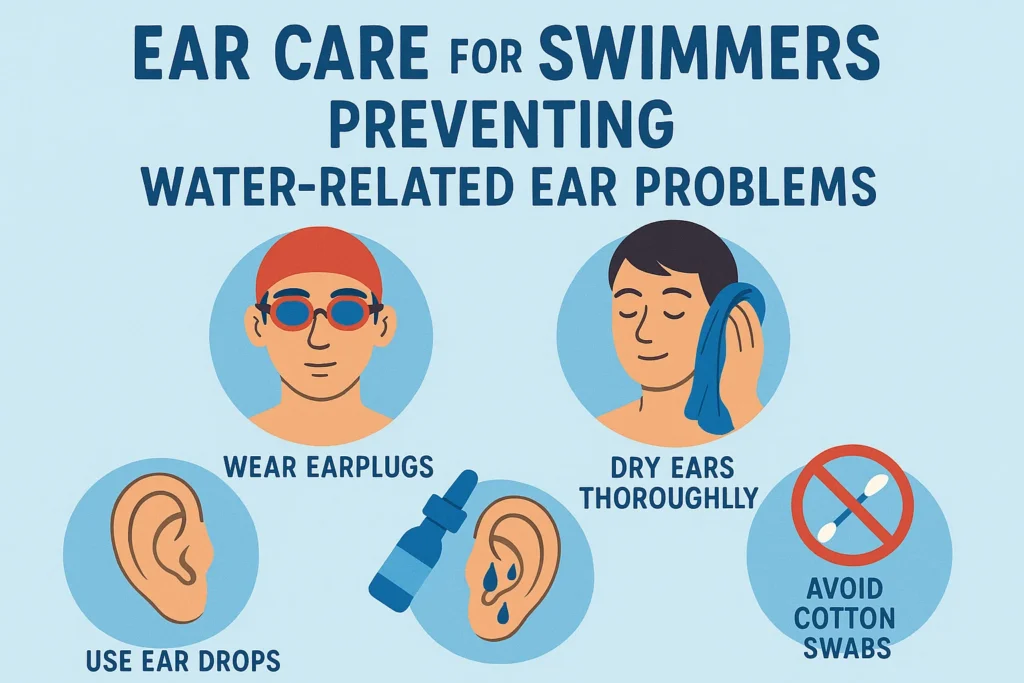
Why You Shouldn’t Use Cotton Buds to Clean Your Ears For decades, cotton buds (also called cotton swabs or Q-tips) have been a go-to tool for cleaning ears. Many people believe they are the best way to remove earwax, but medical experts strongly advise against putting anything inside the ear canal. Using cotton buds incorrectly can cause more harm than good, leading to blocked ears, infections, pain, or even long-term hearing damage. In this article, we’ll explore why cotton buds are harmful, what you should use instead, and what to do if you’ve already injured your ear with one. Are Cotton Buds Bad for Your Ears? Yes, cotton buds are one of the most common causes of earwax impaction and ear injuries. Instead of removing wax, they usually push it deeper into the ear canal, creating a blockage. This can cause hearing problems, discomfort, or dizziness. In more severe cases, cotton buds can scratch the delicate ear canal or even puncture the eardrum. How to Clean Your Ears Without Cotton Buds The good news is that your ears are naturally self-cleaning. For most people, a gentle wash around the outer ear with a damp cloth is enough. The ear canal slowly moves wax outward, where it dries and flakes away.Other safe methods include: Ear drops or oils to soften wax. Over-the-counter ear sprays that help dissolve build-up. Professional microsuction earwax removal, the safest and most effective method recommended by audiologists. What to Use Instead of Cotton Buds for Ears Instead of cotton buds, you can use: Earwax removal drops (available at pharmacies). Warm water rinse in the shower (letting water flow gently around the outer ear, not deep inside). Professional earwax removal at a hearing clinic. Avoid inserting sharp objects, matches, or metal ear picks — these can be even more dangerous than cotton buds. I Used a Cotton Bud in My Ear and Now I Can’t Hear If you feel sudden hearing loss after using a cotton bud, you may have pushed earwax deeper inside, creating a blockage. Sometimes, it may also mean you scratched or injured your eardrum. Don’t try to fix it yourself. Book an appointment with a professional earwax removal clinic for a safe check-up and treatment. I Put a Cotton Bud in My Ear and Now It Hurts Pain after using a cotton bud is a warning sign. The cotton tip may have caused a small scratch, or worse, damaged your eardrum. If the pain doesn’t go away within a few hours or if it’s severe, seek medical attention immediately. Cotton Swab Ear Injury Treatment If you think you’ve injured your ear with a cotton bud: Stop using cotton buds immediately. Do not insert anything else into the ear. See a doctor or ear specialist for examination. If there is bleeding or fluid discharge, get urgent medical care. Minor scratches may heal on their own, but deeper injuries require treatment to avoid infection. Why Do You Put Cotton in Your Ear When You Have an Ear Infection? Some people use cotton to “plug” the ear when they have an infection, usually to absorb discharge or prevent dust and air from entering. However, it’s not always safe — blocking the ear may trap bacteria and worsen the infection. Always consult a doctor before using cotton in this way. Putting Cotton in Ear at Night Sleeping with cotton in your ear is generally unnecessary and not recommended. It can block natural airflow and may lead to irritation or infection. If you need to protect your ears from noise, water, or insects at night, use proper earplugs designed for sleeping instead. Final Thoughts Cotton buds may seem harmless, but they pose real risks to ear health. From earwax blockages to injuries, the dangers outweigh any short-term “clean” feeling. Your ears have a natural cleaning system — and when needed, professional earwax removal is the safest choice. At Cleaner Ears, we specialize in gentle, effective earwax removal using advanced methods like microsuction. If you’ve been using cotton buds and now experience blocked ears, pain, or hearing loss, book an appointment today for safe, professional care.

Uncategorized

What Happens If Earwax Is Left Untreated? The Hidden Dangers of Ignoring Blocked Ears

What Happens If Earwax Is Left Untreated? The Hidden Dangers of Ignoring Blocked Ears Earwax is a natural and important substance that helps protect the ears from dust, bacteria, and debris. However, when earwax builds up and becomes impacted, it can cause a wide range of problems that many people underestimate or ignore. Blocked ears may start as a mild inconvenience, but leaving earwax untreated can lead to serious discomfort, hearing issues, and even long-term ear health complications. In this article, we explore what happens when earwax is left untreated, the risks involved, and why professional earwax removal is so important. Why Earwax Builds Up in the First Place Normally, earwax moves out of the ear canal naturally. However, this process does not always work effectively. Earwax build-up is more likely if you: Use cotton buds or ear cleaning tools Wear earphones or hearing aids regularly Have narrow or curved ear canals Produce excess earwax naturally Are over the age of 60 When wax is pushed deeper into the ear or cannot exit naturally, it becomes impacted and blocks the ear canal. What Happens If You Ignore Blocked Ears? 1. Gradual Hearing Loss One of the most common consequences of untreated earwax is hearing loss. Impacted wax blocks sound waves from reaching the eardrum properly, causing muffled or reduced hearing. Many people mistake this for age-related hearing loss, when in reality it can often be completely reversed with professional earwax removal. 2. Persistent Ear Discomfort and Pain As earwax continues to build up, it can press against the sensitive walls of the ear canal or the eardrum. This pressure can cause: Dull aching pain A feeling of fullness Sharp discomfort when chewing or yawning Ignoring these symptoms can allow the problem to worsen over time. 3. Ringing in the Ears (Tinnitus) Untreated earwax can trigger tinnitus, which is commonly described as ringing, buzzing, or humming sounds in the ears. This happens when blocked sound pathways interfere with how the brain processes sound. In many cases, tinnitus caused by earwax improves or disappears completely once the blockage is safely removed. 4. Dizziness and Balance Problems The ears play a crucial role in balance. Impacted earwax can interfere with the inner ear, leading to: Dizziness Light-headedness Balance issues or unsteadiness These symptoms can be particularly dangerous for older adults, increasing the risk of falls. 5. Increased Risk of Ear Infections When earwax is left untreated, it can trap moisture and bacteria inside the ear canal. This creates the perfect environment for infections to develop. Symptoms of an ear infection may include: Pain and swelling Redness inside the ear Discharge or unpleasant odour Fever in more severe cases Prompt earwax removal reduces the risk of infection and related complications. 6. Damage to the Eardrum Severe or prolonged earwax impaction can place pressure on the eardrum. In some cases, attempts to remove wax at home using cotton buds, hairpins, or ear candles can cause accidental damage. Eardrum damage can result in pain, hearing loss, and the need for specialist medical treatment. Can Untreated Earwax Cause Permanent Hearing Damage? In most cases, hearing loss caused by earwax is temporary. However, if earwax remains untreated for long periods, especially alongside infections or inflammation, it can contribute to long-term hearing problems. This is why early intervention is essential. A simple ear check and professional wax removal can prevent unnecessary complications. Why Home Remedies Often Make Things Worse Many people attempt to treat blocked ears at home using cotton buds, oils, or DIY tools. Unfortunately, these methods often push wax deeper into the ear canal, making the blockage worse. Home remedies can also increase the risk of: Ear canal injury Infection Impacted wax that becomes harder to remove Professional earwax removal is always the safest and most effective solution. The Safest Way to Treat Blocked Ears The gold standard for earwax removal is microsuction. This method is: Safe and clinically approved Quick and virtually painless Performed under direct visual guidance Suitable for adults, children, and hearing aid users Microsuction removes earwax without introducing water or pressure into the ear, reducing risks significantly. When Should You Book an Appointment? You should book a professional ear check if you experience: Blocked or muffled hearing Ear pain or pressure Ringing or buzzing sounds Dizziness or balance issues Recurrent ear infections Even if symptoms are mild, early treatment prevents them from escalating. Frequently Asked Questions How long can earwax safely stay in the ear? There is no exact timeframe, but if earwax causes symptoms or blocks hearing, it should be removed as soon as possible. Is it dangerous to leave earwax untreated? Yes. Untreated earwax can lead to infections, hearing loss, balance problems, and ongoing discomfort. Can earwax come out on its own? Sometimes, but impacted earwax often requires professional removal. Book Professional Earwax Removal Today Ignoring blocked ears can lead to unnecessary discomfort and serious ear health problems. The good news is that earwax build-up is easy to treat when addressed early. Cleaner Ears provides professional ear checks and safe microsuction earwax removal, helping restore hearing and comfort quickly and effectively. 📞 Contact us today or book your appointment online and take the first step towards clearer hearing and healthier ears.

Scroll to Top