Uncategorized

Uncategorized

Is Ear Wax a Sign of Healthy Ears?

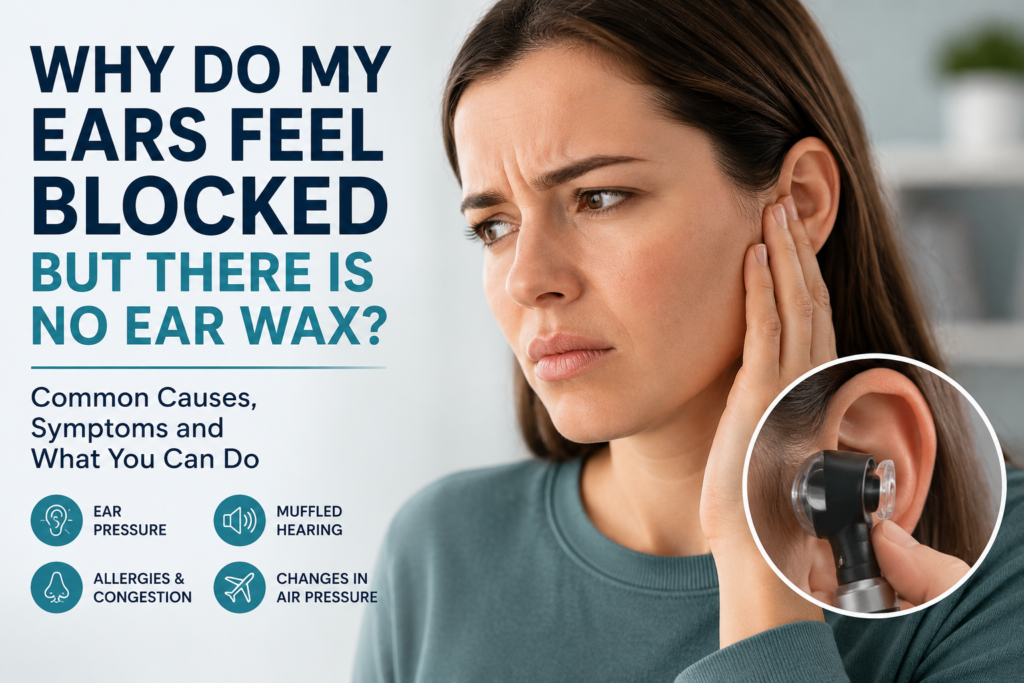
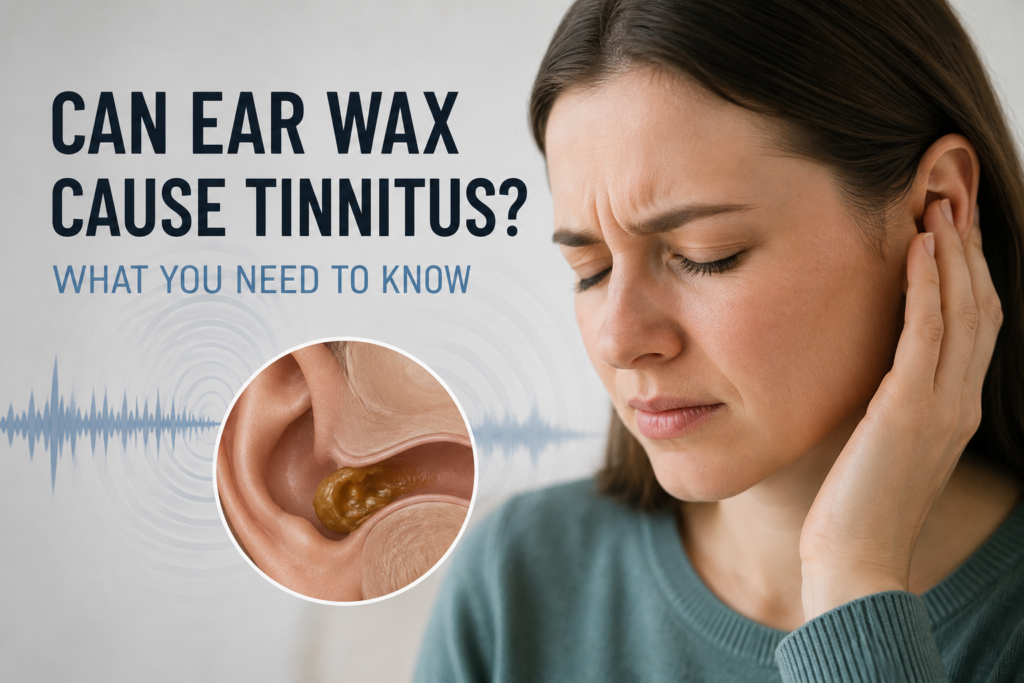
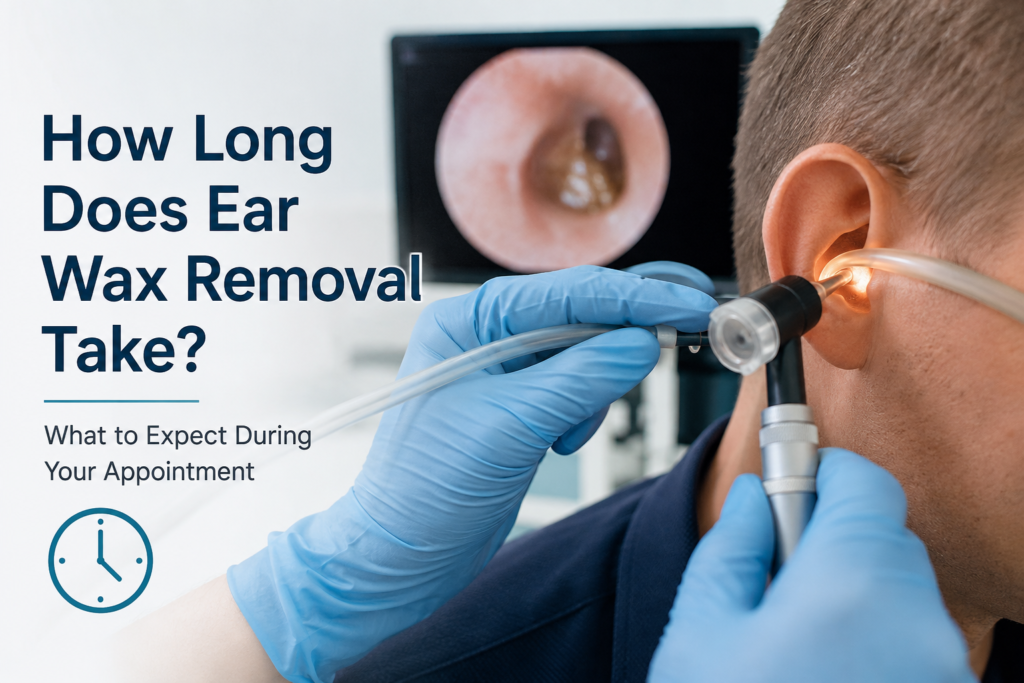
Is Ear Wax a Sign of Healthy Ears? Many people think ear wax is something that should be cleaned out regularly. However, the truth is that ear wax is actually a sign that your ears are working exactly as they should. This natural substance plays an important role in protecting your hearing and keeping your ears healthy. Problems only arise when too much ear wax builds up or becomes impacted, leading to symptoms such as blocked ears, hearing loss, discomfort, or tinnitus. Understanding the difference between healthy ear wax and excessive ear wax can help you know when professional treatment is needed. If you’re experiencing blocked ears or hearing difficulties, the specialists at Hear Clear Pro provide safe, professional ear care and hearing services across West London. What Is Ear Wax? Ear wax, medically known as cerumen, is a natural substance produced by glands inside your ear canal. It consists of: Natural oils Sweat Dead skin cells Tiny hairs Protective secretions Although many people consider ear wax to be dirty, it is actually one of your body’s natural defence systems. Without ear wax, your ears would be far more vulnerable to infection, irritation, and damage. Why Is Ear Wax Important? Ear wax performs several vital functions that help keep your ears healthy. It Protects Against Infection One of ear wax’s most important jobs is preventing bacteria and fungi from growing inside the ear canal. Its slightly acidic nature creates an environment where harmful microorganisms struggle to survive. It Traps Dirt and Dust Throughout the day, tiny particles enter your ears. These include: Dust Pollen Dead skin Small insects Airborne debris Ear wax traps these particles before they can travel deeper into the ear. It Lubricates the Ear Canal The skin inside your ears is delicate. Ear wax keeps this skin moisturised and prevents: Dryness Cracking Itching Irritation It Protects the Eardrum The ear canal is extremely sensitive. Ear wax acts as a cushion that helps reduce irritation caused by small particles or sudden environmental changes. Is It Normal to Have Ear Wax? Yes. Everyone produces ear wax. Some people naturally produce more than others because of factors such as: Genetics Age Ear canal shape Skin conditions Use of hearing aids Wearing earbuds regularly Producing ear wax is usually a sign that your ears are functioning normally. Why Do Some People Produce More Ear Wax? There is no “normal” amount of ear wax. Some people rarely notice it, while others need professional removal every year. You may naturally produce more ear wax if you: Wear hearing aids Frequently use earphones Wear ear plugs Have narrow ear canals Have hairy ear canals Have eczema or psoriasis Are older, as ear wax often becomes drier and harder with age If you’re unsure whether your symptoms are due to wax or hearing loss, a professional assessment at Hear Clear Pro can help determine the cause. When Does Ear Wax Become a Problem? Although ear wax is healthy, it can sometimes build up faster than your ears can remove it naturally. This can lead to impacted ear wax. Common symptoms include: Blocked ears Reduced hearing Earache Ringing in the ears (tinnitus) Dizziness Ear fullness Itchy ears Difficulty hearing conversations If you notice these symptoms, professional ear wax removal may be recommended. How Do Ears Clean Themselves? One of the most fascinating things about the ear is that it is self-cleaning. As you: Talk Chew Smile Move your jaw Old ear wax slowly moves towards the outer ear where it naturally falls out. This process works remarkably well for most people. Problems usually occur when people interfere with this natural cleaning system. Should You Remove Ear Wax Yourself? In most cases, no. Unless ear wax is causing symptoms, it is best left alone. Many people attempt to clean their ears using: Cotton buds Hairpins Keys Ear candles Fingers These methods often push wax deeper into the ear canal, increasing the risk of impaction or injury. Ear candles are also not recommended, as there is no reliable evidence that they remove ear wax effectively and they can cause burns or other injuries. Are Cotton Buds Safe? Despite being extremely popular, cotton buds are one of the leading causes of impacted ear wax. Instead of removing wax, they usually push it deeper. This can lead to: Ear blockages Damage to the ear canal Pain Infection Perforated eardrums in severe cases Healthcare professionals generally recommend cleaning only the outside of your ear. How Is Excess Ear Wax Removed? When ear wax causes symptoms, professional removal is the safest option. Modern clinics commonly use microsuction, which is considered one of the safest and most effective methods. During microsuction: Your ears are examined using specialised equipment. A gentle medical suction device removes the wax. The procedure is quick and precise. Water is not used. Most appointments are completed within 20–30 minutes. At Hear Clear Pro, experienced clinicians provide professional ear examinations and safe ear wax removal to help restore clear hearing. Can Too Little Ear Wax Be a Problem? Yes. Although excess wax gets most of the attention, producing too little ear wax can also cause issues. Without enough wax, the ear canal may become: Dry Itchy Irritated More susceptible to infection Healthy ears need the right balance of ear wax. Can Hearing Aids Affect Ear Wax? Yes. Hearing aids partially block the natural movement of ear wax out of the ear. Over time this may increase wax build-up. People who wear hearing aids should have their ears checked regularly to ensure excess wax is not affecting hearing aid performance or comfort. Hear Clear Pro offers flexible hearing aid subscriptions with ongoing professional aftercare and regular check-ups to help keep your hearing aids performing at their best. Learn more on the Hear Clear Pro Plans page. When Should You Book an Ear Examination? You should arrange an appointment if you experience: Persistent blocked ears Sudden hearing loss Ear pain Ongoing tinnitus Frequent wax build-up Difficulty wearing hearing aids Dizziness alongside

Uncategorized

Blocked Ears After Flying: Why It Happens and How to Relieve It

Blocked Ears After Flying: Why It Happens and How to Relieve It Why Do Your Ears Feel Blocked After Flying? Many people experience blocked ears during or after a flight. While the sensation is usually temporary, it can be uncomfortable and may leave your hearing feeling muffled for several hours or even days. The main reason this happens is the rapid change in air pressure during take-off and landing. Normally, the Eustachian tubes connect the middle ear to the back of the nose and throat, allowing pressure to equalise. When these tubes cannot open properly, pressure builds up behind the eardrum, causing the familiar blocked feeling. For some people, excess ear wax can make the symptoms even worse. Common Symptoms Blocked ears after flying can cause a variety of symptoms, including: Muffled hearing A feeling of fullness or pressure in the ears Mild ear pain or discomfort Popping or crackling sounds Ringing in the ears (tinnitus) Temporary dizziness or imbalance Most symptoms improve within a few hours, but some people may continue to experience discomfort for longer. Who Is Most at Risk? Anyone can experience blocked ears after flying, but certain people are more likely to develop symptoms. These include: People with colds or sinus infections Those suffering from allergies Children, whose Eustachian tubes are smaller Frequent flyers People with excessive ear wax build-up Flying while you have nasal congestion can make it much harder for your ears to equalise pressure naturally. How to Relieve Blocked Ears After Flying Fortunately, there are several simple techniques that can help relieve pressure after a flight. Swallow or Yawn Swallowing activates the muscles that help open the Eustachian tubes. Sipping water, chewing gum, or sucking on sweets during take-off and landing can encourage this natural process. Try the Valsalva Manoeuvre Close your mouth, gently pinch your nose, and carefully blow as if you are trying to breathe out through your nose. This may help equalise pressure in the middle ear. Be gentle and never force the pressure. Stay Hydrated Drinking plenty of water helps keep your nasal passages moist and may improve normal ear function during travel. Use a Nasal Decongestant If you have a cold or allergies, a nasal decongestant spray used before take-off or landing may reduce congestion and improve pressure equalisation. Always follow the instructions and seek advice if you have any medical conditions. Check for Ear Wax Build-Up If your ears remain blocked for several days after flying, excessive ear wax may be contributing to the problem. Professional ear examination can quickly determine whether ear wax is the cause. When Should You Seek Professional Help? Although blocked ears after flying usually resolve on their own, you should consider seeing an ear care professional if: Symptoms last longer than a few days Your hearing does not return to normal You develop severe ear pain There is discharge from the ear You experience persistent dizziness You suspect excessive ear wax is causing the blockage Professional assessment can identify whether the problem is related to ear wax, infection, or another underlying condition. How Microsuction Can Help If impacted ear wax is preventing your ears from returning to normal after flying, microsuction is one of the safest and most effective treatments available. Microsuction uses a gentle medical suction device to remove excess ear wax under direct visual guidance. Unlike traditional syringing, no water is used, making it a quick, comfortable, and precise procedure for many patients. Preventing Blocked Ears on Future Flights While you cannot stop changes in cabin pressure, you can reduce your risk by preparing before you travel. Stay well hydrated. Chew gum or suck sweets during take-off and landing. Avoid flying with severe colds or sinus infections where possible. Treat allergies before travelling if recommended by your healthcare provider. Have excessive ear wax removed before long flights if you regularly experience blocked ears. Final Thoughts Blocked ears after flying are common and are usually caused by pressure changes inside the middle ear. In many cases, the symptoms settle naturally within a few hours. However, if the blockage persists or you notice hearing loss, ear pain, or signs of excessive ear wax, professional assessment can help identify the cause and provide safe treatment.

Uncategorized

How to Prevent Ear Wax Build-Up Naturally

How to Prevent Ear Wax Build-Up Naturally Ear wax is an important part of keeping your ears healthy. It protects the ear canal by trapping dust, bacteria, and other small particles before they reach the eardrum. Normally, ear wax moves out of the ear naturally without any help. However, some people produce more ear wax than others, which can lead to blocked ears, muffled hearing, discomfort, and even temporary hearing loss. While ear wax is normal, there are several simple ways to reduce the chances of excessive build-up without damaging your ears. Leave Your Ears Alone One of the biggest mistakes people make is trying to clean inside their ears. Your ears are designed to clean themselves. The movement of your jaw when talking and chewing gradually pushes ear wax towards the opening of the ear, where it dries and falls away naturally. Trying to remove wax yourself often pushes it deeper into the ear canal, increasing the risk of blockages. Avoid Cotton Buds Cotton buds remain one of the leading causes of impacted ear wax. Instead of removing wax, they usually push it further into the ear canal. They can also scratch the delicate skin inside the ear, increasing the risk of infection and irritation. Healthcare professionals generally recommend avoiding cotton buds completely for cleaning inside the ears. Keep Your Ears Dry Excess moisture inside the ears can affect the natural movement of ear wax. After swimming or showering, gently dry the outside of your ears using a soft towel. If water becomes trapped in your ears regularly, speak to an ear care professional for advice. Consider Ear Drops If Recommended People who naturally produce a lot of ear wax may benefit from occasional olive oil ear drops or specialist wax-softening drops. These help soften wax so it can move out of the ear more easily. It is always best to seek professional advice before using ear drops, particularly if you have ear pain, a perforated eardrum, or a history of ear surgery. Clean Hearing Aids Regularly Hearing aids, earplugs, and earbuds can sometimes interfere with the ear’s natural cleaning process. Keeping these devices clean and following the manufacturer’s maintenance instructions can help reduce wax accumulation. People who wear hearing aids often benefit from regular ear examinations to monitor wax build-up. Don’t Ignore Early Symptoms If you notice symptoms such as: Muffled hearing A blocked sensation Ringing in the ears (tinnitus) Ear discomfort Dizziness Needing to increase the TV volume it may be a sign that ear wax is building up. Treating the problem early is usually easier than waiting until the ear becomes completely blocked. Stay Away from Ear Candling Despite claims made online, ear candling has no scientific evidence proving it removes ear wax. It can cause burns, injuries, and even push wax further into the ear canal. Ear specialists do not recommend ear candling as a safe treatment. When Professional Ear Wax Removal Is Needed Some people naturally produce excessive ear wax regardless of how carefully they look after their ears. In these cases, professional ear wax removal is the safest solution. Microsuction is considered one of the safest and most effective methods available. Using specialised equipment, an experienced clinician gently removes the wax while clearly viewing the ear canal throughout the procedure. The treatment is quick, comfortable, and suitable for most patients. Looking After Your Hearing Healthy ears play an important role in communication, balance, and overall wellbeing. By avoiding harmful cleaning methods and recognising the early signs of wax build-up, you can reduce your chances of developing blocked ears and hearing problems. If you are experiencing persistent blocked ears or hearing difficulties, booking a professional ear examination can help determine whether ear wax is the cause and whether treatment is required. Frequently Asked Questions Can I stop ear wax from forming? No. Ear wax is a natural substance that protects your ears. The goal is not to stop it from forming but to allow it to leave the ear naturally without becoming impacted. Is it normal to produce a lot of ear wax? Yes. Some people naturally produce more ear wax due to genetics, age, the shape of their ear canals, or the use of hearing aids and earplugs. How often should I have my ears checked? If you regularly experience blocked ears or wear hearing aids, having your ears examined every 6 to 12 months can help identify excessive wax before it causes symptoms. Is microsuction better than cleaning my ears at home? Yes. Professional microsuction removes ear wax safely under direct vision, reducing the risk of injury or pushing wax deeper into the ear canal. Can earbuds increase ear wax build-up? Frequent use of earbuds or in-ear headphones may reduce natural wax movement and contribute to build-up in some people. Cleaning your earbuds regularly and taking breaks from prolonged use may help.

Uncategorized

What Happens During a Hearing Test?

What Happens During a Hearing Test? (Complete Guide for 2026) Many people delay booking a hearing test because they don’t know what to expect. Some worry it might be uncomfortable, while others assume it is only necessary for older adults or people with severe hearing loss. In reality, a hearing test is a simple, painless, and highly informative process that can identify even mild hearing issues before they become more serious. Modern hearing assessments are designed to be quick, accurate, and comfortable. Whether you are experiencing hearing difficulties or simply want a routine check, understanding the process can help you feel more confident about taking the first step. For professional hearing care and assessments, you can visit:👉 Hear Clear Pro Hearing Care Why Hearing Tests Are Important Hearing loss often develops gradually, making it difficult to notice at first. Many people adjust without realising how much clarity they are losing. A hearing test helps to: Identify early signs of hearing loss Determine the type and level of hearing loss Rule out temporary causes such as ear wax build-up Provide a baseline for future comparison Recommend appropriate treatment or hearing aids According to the NHS, untreated hearing loss can affect communication, mental wellbeing, and quality of life over time (nhs.uk). Step 1: Initial Consultation and Discussion Your hearing test usually begins with a consultation with an audiologist. During this stage, you may be asked about: Your hearing concerns When you first noticed changes Difficulty in specific environments (e.g. noisy places) Medical history Exposure to loud noise Any tinnitus (ringing in the ears) This helps the audiologist understand your hearing health and tailor the test accordingly. Step 2: Ear Examination (Otoscopy) Before testing your hearing levels, the audiologist will examine your ears using a small device called an otoscope. This allows them to check for: Ear wax build-up Blockages Infection Damage to the ear canal or eardrum Sometimes hearing loss symptoms are caused simply by excessive ear wax rather than permanent hearing damage. In such cases, ear wax removal may restore hearing without the need for hearing aids. Step 3: Pure Tone Audiometry Test The most common part of a hearing test is called pure tone audiometry. You will be asked to wear headphones in a quiet room. The audiologist will play a series of tones at different: Frequencies (pitch) Volumes (loudness) You will be instructed to press a button or raise your hand whenever you hear a sound. This helps determine: The quietest sounds you can hear Which frequencies you struggle with The level of hearing loss (if any) The results are plotted on an audiogram, which visually represents your hearing ability. Step 4: Speech Testing Hearing is not just about detecting sound—it is about understanding speech. During speech testing, you will listen to recorded or live voices and repeat words or phrases. This test evaluates: Clarity of speech recognition Ability to understand conversations Hearing performance in real-world conditions Many people with hearing loss can hear sounds but struggle to understand words clearly. Speech testing helps identify this issue. Step 5: Tympanometry (Middle Ear Test) Tympanometry checks how well your middle ear is functioning. A small probe is placed in your ear, which changes air pressure slightly. This test is painless and quick. It helps detect: Fluid behind the eardrum Eardrum stiffness Middle ear infections Eustachian tube problems This step ensures that hearing issues are not caused by temporary or treatable conditions. Step 6: Results and Explanation Once all tests are complete, the audiologist will explain your results in detail. You will typically receive: An audiogram (hearing chart) Explanation of hearing levels Discussion of possible causes Recommendations for treatment If hearing loss is detected, the audiologist will explain whether it is mild, moderate, severe, or profound. Step 7: Treatment Options (If Needed) If hearing loss is identified, there are several possible solutions depending on your needs. These may include: Hearing aids Ear wax removal Lifestyle adjustments Ongoing monitoring Hearing protection advice Modern hearing aids are highly advanced and can significantly improve clarity, especially in noisy environments. For expert hearing aid consultations and fittings, you can learn more here:👉 Hear Clear Pro Hearing Solutions What Does a Hearing Test Feel Like? A hearing test is: Completely painless Non-invasive Safe for all ages Usually completed within 30–60 minutes Most people describe it as simple and comfortable, with no side effects. How Often Should You Have a Hearing Test? It is recommended that adults have their hearing tested: Every 2–3 years (if no issues are present) Annually (if you are over 60) Immediately if you notice changes in hearing Regular testing helps detect problems early and ensures timely treatment. Signs You Should Book a Hearing Test You should consider a hearing test if you: Frequently ask people to repeat themselves Struggle in noisy environments Turn up the TV volume often Experience ringing in your ears Avoid social situations due to hearing difficulty These are early indicators of potential hearing loss. Hearing Tests in Ruislip If you are based in Ruislip or nearby areas, local hearing clinics provide professional hearing assessments and advice tailored to your needs. A trusted option for hearing care services, assessments, and hearing aid solutions is:👉 Hear Clear Pro Ruislip Hearing Clinic   A hearing test is one of the simplest and most important steps you can take for your long-term health. It provides clarity, peace of mind, and early detection of any potential issues. Whether you are experiencing symptoms or simply want a routine check, booking a hearing test ensures you stay in control of your hearing health. Early action leads to better outcomes—and in many cases, life-changing improvements in communication and confidence.

gelfer.net/pl
Scroll to Top