Uncategorized

Uncategorized

How Often Should You Get Your Ears Cleaned?

The Dangers of Using Cotton Buds in Your Ears For many people, using cotton buds to clean their ears has become part of their daily hygiene routine. After a shower or bath, countless individuals reach for cotton buds believing they are helping keep their ears clean and healthy. However, medical professionals consistently warn against placing cotton buds inside the ear canal because they can cause far more harm than good. Although cotton buds may seem harmless, they are one of the most common causes of impacted ear wax and ear canal injuries. Instead of removing ear wax properly, cotton buds often push the wax deeper into the ear canal where it becomes compacted. Over time, this can lead to blocked ears, hearing difficulties, infections, dizziness, tinnitus, and even damage to the eardrum. Many people only realise the dangers of cotton buds after experiencing discomfort or temporary hearing loss. Unfortunately, by the time symptoms appear, the wax may already be severely impacted and require professional ear wax removal. Understanding why cotton buds are dangerous is important for protecting your hearing and maintaining healthy ears. In this article, we will explain why ear wax exists, how cotton buds affect the ear canal, the risks involved, and the safest ways to manage ear wax build-up. Understanding the Purpose of Ear Wax Before discussing the dangers of cotton buds, it is important to understand that ear wax is not dirty or harmful. Ear wax, also known as cerumen, is a natural substance produced by glands inside the ear canal. Many people assume ear wax should always be removed, but it actually serves several important functions. Ear Wax Protects the Ear Canal Ear wax acts as a protective barrier that traps: Dust Dirt Bacteria Dead skin cells Small particles This prevents harmful substances from reaching the delicate inner structures of the ear. Ear wax also helps lubricate the ear canal, preventing dryness and irritation. Additionally, it has antibacterial and antifungal properties that help reduce the risk of infections. The Ear Cleans Itself Naturally One of the most fascinating things about the human ear is that it is self-cleaning. As we talk, chew, and move our jaws, old ear wax naturally migrates outward toward the opening of the ear canal. Once it reaches the outer ear, it dries up and falls away naturally. In most cases, the ears do not require internal cleaning at all. Problems usually occur when something interferes with the ear’s natural cleaning process. This includes: Using cotton buds Wearing hearing aids Frequent earphone use Producing excessive wax Having narrow ear canals Cotton buds are particularly problematic because they interrupt the natural movement of wax. Why People Use Cotton Buds Despite medical advice, millions of people continue to use cotton buds inside their ears every day. Some people use them because: They believe ear wax is dirty Their ears feel itchy They enjoy the sensation of cleaning They want to remove moisture after bathing They think cotton buds improve hygiene The problem is that cotton buds create a false sense of cleanliness while actually increasing the risk of ear problems. Many people are surprised to learn that most cotton bud packaging includes warnings advising users not to insert them into the ear canal. How Cotton Buds Push Wax Deeper Into the Ear Canal The biggest problem with cotton buds is that they rarely remove wax effectively. Instead of pulling wax out, cotton buds usually push the wax deeper into the ear canal. This creates a compaction effect where wax becomes tightly packed near the eardrum. Imagine pushing mud deeper into a narrow pipe using a stick. The more you push, the tighter the blockage becomes. This is exactly what happens inside the ear canal. The Ear Canal Is Extremely Narrow The ear canal is a delicate and narrow structure. When a cotton bud is inserted, it pushes against soft wax and forces it deeper into tighter sections of the canal. Over time, repeated use compresses the wax into a hard blockage known as impacted ear wax. Once the wax becomes impacted, it can be very difficult to remove naturally. Symptoms of Impacted Ear Wax When wax becomes compacted deep inside the ear canal, symptoms often begin to develop. Common symptoms include: Blocked ears Muffled hearing Ear pressure Ear pain Ringing in the ears Dizziness Itching Discomfort Temporary hearing loss Unfortunately, many people continue using cotton buds when these symptoms appear, believing more cleaning will solve the problem. In reality, this often pushes the wax even deeper. The Most Common Dangers of Using Cotton Buds 1. Impacted Ear Wax Impacted ear wax is one of the most common complications caused by cotton buds. This happens when wax becomes compressed deep inside the ear canal and blocks sound from reaching the eardrum properly. Impacted wax can affect daily life by making conversations difficult to hear and causing ongoing discomfort. Many patients experience immediate relief once the blockage is professionally removed. 2. Temporary Hearing Loss When wax blocks the ear canal, sound waves cannot travel effectively to the eardrum. This often causes temporary hearing loss or muffled hearing. Some people become extremely worried when their hearing suddenly decreases after using cotton buds. Fortunately, hearing often improves quickly after safe wax removal. 3. Ear Canal Injuries The skin inside the ear canal is extremely thin and sensitive. Cotton buds can easily scratch or irritate this delicate tissue. Small injuries inside the ear may cause: Pain Bleeding Sensitivity Swelling Irritation Even minor scratches can become infected if bacteria enter the damaged skin. 4. Ear Infections Repeated irritation from cotton buds increases the risk of infections. Cotton buds can damage the protective layer inside the ear canal, allowing bacteria and fungi to grow more easily. Symptoms of an ear infection may include: Pain Redness Swelling Discharge Fever Increased sensitivity Some infections can become severe if left untreated. 5. Perforated Eardrum One of the most serious risks of using cotton buds is puncturing the eardrum. The eardrum is a

Can Ear Wax Cause Temporary Hearing Loss?
Uncategorized

Can Ear Wax Cause Temporary Hearing Loss?

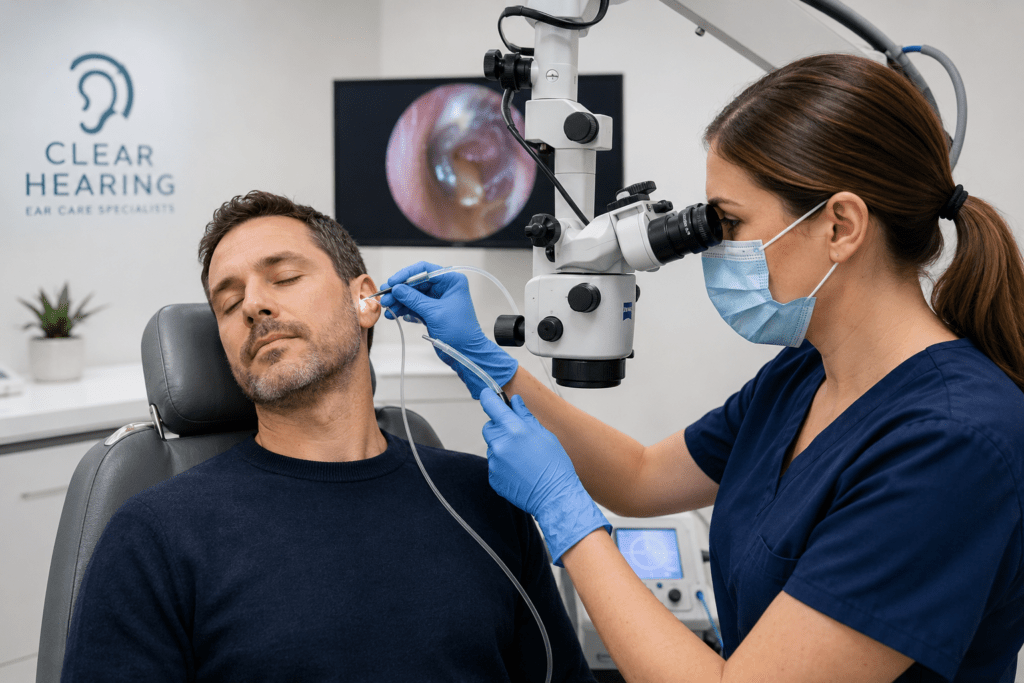
Can Ear Wax Cause Temporary Hearing Loss? Many people experience sudden muffled hearing or blocked ears and immediately worry that they may have a serious hearing problem. In many cases, however, the cause is something much simpler — impacted ear wax. Ear wax build-up is one of the most common reasons for temporary hearing loss in both adults and children. When wax accumulates deep inside the ear canal, it can block sound waves from reaching the eardrum properly. This can make sounds appear distant, dull, or completely blocked. The good news is that temporary hearing loss caused by ear wax is usually reversible with safe professional ear wax removal treatment such as microsuction. What Is Ear Wax? Ear wax, also known medically as cerumen, is a natural substance produced by glands inside the ear canal. Although many people think ear wax is dirty or harmful, it actually plays an important role in protecting the ears. Ear wax helps to: Trap dust and dirt Prevent bacteria from entering the ear Lubricate the ear canal Protect sensitive skin inside the ear Normally, the ear cleans itself naturally by slowly moving old wax out of the ear canal. However, sometimes this process fails, leading to impacted ear wax. How Ear Wax Causes Temporary Hearing Loss When ear wax builds up excessively, it can partially or completely block the ear canal. Sound waves travel through the ear canal to the eardrum, but when thick wax obstructs the pathway, sound cannot pass through effectively. This often results in: Muffled hearing Reduced hearing ability A feeling of fullness in the ear One ear sounding quieter than the other Sudden hearing reduction after showering or swimming The hearing loss caused by impacted wax is usually known as conductive hearing loss because the blockage interferes with sound conduction. In most cases, hearing returns quickly once the wax is safely removed. Common Symptoms of Impacted Ear Wax Many people do not realise that their hearing problems are being caused by wax build-up. Symptoms can develop gradually or suddenly. Signs of impacted ear wax include: Temporary hearing loss Blocked ears Earache or discomfort Ringing in the ears (tinnitus) Dizziness Balance issues Ear pressure Itching inside the ear Crackling sounds Sensation of water trapped in the ear If you experience several of these symptoms together, impacted wax may be the cause. Can Ear Wax Affect Balance? Yes. The ears play a major role in maintaining balance. Deep inside the ear is the vestibular system, which helps the body detect movement and maintain stability. When impacted wax places pressure on the ear canal or eardrum, some people experience: Dizziness Vertigo Light-headedness Unsteadiness Loss of balance This is especially common when wax becomes swollen after exposure to water. Although ear wax itself does not damage the balance organs, the pressure and blockage can disrupt normal ear function temporarily. Why Hearing Sometimes Gets Worse After Showering Many patients notice their hearing suddenly worsens after bathing, swimming, or showering. This happens because water can soften and expand impacted wax. Once swollen, the wax may completely block the ear canal. A person who previously had mild blockage may suddenly wake up with significant hearing loss after water exposure. This is one of the most common reasons people seek emergency ear wax removal appointments. Who Is More Likely to Experience Ear Wax Build-Up? Some individuals naturally produce more ear wax than others. Certain factors also increase the risk of blockage. Common risk factors include: Wearing hearing aids Using earbuds frequently Wearing earplugs Narrow ear canals Excess hair in the ear canal Older age Attempting to clean ears with cotton buds Cotton buds are particularly problematic because they often push wax deeper into the ear instead of removing it. Why Cotton Buds Make Ear Wax Worse Many people attempt to clean their ears at home using cotton buds, hairpins, or other objects. Unfortunately, this usually pushes wax further into the ear canal. This can cause: Impacted wax Ear canal irritation Infection Pain Increased hearing blockage Healthcare professionals generally advise against inserting anything smaller than your elbow into your ear. Can Ear Wax Cause Complete Hearing Loss? In severe cases, impacted wax can cause near-total blockage of hearing in the affected ear. However, this type of hearing loss is usually temporary and reversible. Once the wax is professionally removed, hearing often improves immediately. Permanent hearing loss from wax alone is uncommon unless complications such as infection or trauma occur. How Professionals Remove Impacted Ear Wax Modern clinics now commonly use microsuction ear wax removal because it is considered safer and cleaner than traditional syringing. Microsuction Ear Wax Removal During microsuction: A trained clinician examines the ear using magnification A small medical suction device gently removes wax The procedure is usually quick and precise Water is not used Most patients experience immediate hearing improvement Microsuction is often preferred because it is suitable for people with sensitive ears, perforated eardrums, or previous ear infections. Is Ear Wax Removal Painful? Professional ear wax removal is usually not painful. Some patients may experience: Mild sensitivity Tickling sensations Temporary dizziness Slight discomfort if wax is very hard However, most people report immediate relief after treatment. How Long Does Hearing Recovery Take? For most people, hearing improves immediately after wax removal. Others may notice gradual improvement over several hours as the ear adjusts. If hearing does not improve after wax removal, additional medical evaluation may be needed to rule out: Ear infection Fluid behind the eardrum Hearing nerve problems Age-related hearing loss Can Children Get Temporary Hearing Loss from Ear Wax? Yes. Children can also develop impacted wax that affects hearing. Signs in children may include: Turning the television volume up loudly Not responding when spoken to Complaints of blocked ears Irritability Ear discomfort Parents should avoid attempting deep ear cleaning at home and seek professional assessment if symptoms persist. Can Hearing Aids Increase Ear Wax Build-Up? Hearing aid users commonly experience increased wax accumulation because the device partially blocks the natural migration of

The Dangers of Using Cotton Buds in Your Ears
Uncategorized

The Dangers of Using Cotton Buds in Your Ears

The Dangers of Using Cotton Buds in Your Ears For many people, using cotton buds to clean their ears has become part of their daily hygiene routine. After a shower or bath, countless individuals reach for cotton buds believing they are helping keep their ears clean and healthy. However, medical professionals consistently warn against placing cotton buds inside the ear canal because they can cause far more harm than good. Although cotton buds may seem harmless, they are one of the most common causes of impacted ear wax and ear canal injuries. Instead of removing ear wax properly, cotton buds often push the wax deeper into the ear canal where it becomes compacted. Over time, this can lead to blocked ears, hearing difficulties, infections, dizziness, tinnitus, and even damage to the eardrum. Many people only realise the dangers of cotton buds after experiencing discomfort or temporary hearing loss. Unfortunately, by the time symptoms appear, the wax may already be severely impacted and require professional ear wax removal. Understanding why cotton buds are dangerous is important for protecting your hearing and maintaining healthy ears. In this article, we will explain why ear wax exists, how cotton buds affect the ear canal, the risks involved, and the safest ways to manage ear wax build-up. Understanding the Purpose of Ear Wax Before discussing the dangers of cotton buds, it is important to understand that ear wax is not dirty or harmful. Ear wax, also known as cerumen, is a natural substance produced by glands inside the ear canal. Many people assume ear wax should always be removed, but it actually serves several important functions. Ear Wax Protects the Ear Canal Ear wax acts as a protective barrier that traps: Dust Dirt Bacteria Dead skin cells Small particles This prevents harmful substances from reaching the delicate inner structures of the ear. Ear wax also helps lubricate the ear canal, preventing dryness and irritation. Additionally, it has antibacterial and antifungal properties that help reduce the risk of infections. The Ear Cleans Itself Naturally One of the most fascinating things about the human ear is that it is self-cleaning. As we talk, chew, and move our jaws, old ear wax naturally migrates outward toward the opening of the ear canal. Once it reaches the outer ear, it dries up and falls away naturally. In most cases, the ears do not require internal cleaning at all. Problems usually occur when something interferes with the ear’s natural cleaning process. This includes: Using cotton buds Wearing hearing aids Frequent earphone use Producing excessive wax Having narrow ear canals Cotton buds are particularly problematic because they interrupt the natural movement of wax. Why People Use Cotton Buds Despite medical advice, millions of people continue to use cotton buds inside their ears every day. Some people use them because: They believe ear wax is dirty Their ears feel itchy They enjoy the sensation of cleaning They want to remove moisture after bathing They think cotton buds improve hygiene The problem is that cotton buds create a false sense of cleanliness while actually increasing the risk of ear problems. Many people are surprised to learn that most cotton bud packaging includes warnings advising users not to insert them into the ear canal. How Cotton Buds Push Wax Deeper Into the Ear Canal The biggest problem with cotton buds is that they rarely remove wax effectively. Instead of pulling wax out, cotton buds usually push the wax deeper into the ear canal. This creates a compaction effect where wax becomes tightly packed near the eardrum. Imagine pushing mud deeper into a narrow pipe using a stick. The more you push, the tighter the blockage becomes. This is exactly what happens inside the ear canal. The Ear Canal Is Extremely Narrow The ear canal is a delicate and narrow structure. When a cotton bud is inserted, it pushes against soft wax and forces it deeper into tighter sections of the canal. Over time, repeated use compresses the wax into a hard blockage known as impacted ear wax. Once the wax becomes impacted, it can be very difficult to remove naturally. Symptoms of Impacted Ear Wax When wax becomes compacted deep inside the ear canal, symptoms often begin to develop. Common symptoms include: Blocked ears Muffled hearing Ear pressure Ear pain Ringing in the ears Dizziness Itching Discomfort Temporary hearing loss Unfortunately, many people continue using cotton buds when these symptoms appear, believing more cleaning will solve the problem. In reality, this often pushes the wax even deeper. The Most Common Dangers of Using Cotton Buds 1. Impacted Ear Wax Impacted ear wax is one of the most common complications caused by cotton buds. This happens when wax becomes compressed deep inside the ear canal and blocks sound from reaching the eardrum properly. Impacted wax can affect daily life by making conversations difficult to hear and causing ongoing discomfort. Many patients experience immediate relief once the blockage is professionally removed. 2. Temporary Hearing Loss When wax blocks the ear canal, sound waves cannot travel effectively to the eardrum. This often causes temporary hearing loss or muffled hearing. Some people become extremely worried when their hearing suddenly decreases after using cotton buds. Fortunately, hearing often improves quickly after safe wax removal. 3. Ear Canal Injuries The skin inside the ear canal is extremely thin and sensitive. Cotton buds can easily scratch or irritate this delicate tissue. Small injuries inside the ear may cause: Pain Bleeding Sensitivity Swelling Irritation Even minor scratches can become infected if bacteria enter the damaged skin. 4. Ear Infections Repeated irritation from cotton buds increases the risk of infections. Cotton buds can damage the protective layer inside the ear canal, allowing bacteria and fungi to grow more easily. Symptoms of an ear infection may include: Pain Redness Swelling Discharge Fever Increased sensitivity Some infections can become severe if left untreated. 5. Perforated Eardrum One of the most serious risks of using cotton buds is puncturing the eardrum. The eardrum is a

How to Tell If You Have Impacted Ear Wax
Uncategorized

How to Tell If You Have Impacted Ear Wax

How to Tell If You Have Impacted Ear Wax | Symptoms & Treatment Impact ear wax is one of the most common yet misunderstood causes of blocked ears and temporary hearing loss. Many people experience symptoms such as muffled hearing, ear pressure, or discomfort and assume it is due to an infection or a more serious medical condition. In reality, in a large number of cases, the cause is simply a buildup of ear wax that has become impacted inside the ear canal. Ear wax, also known medically as cerumen, is completely natural and plays an important role in protecting the ear. However, when too much wax builds up or when it becomes too hard to exit the ear naturally, it can lead to blockage. This condition is known as impacted ear wax, and it can affect hearing, comfort, and overall ear health. Understanding how to identify impacted ear wax early is important because it allows you to seek treatment before the symptoms worsen. In most cases, impacted wax can be safely and quickly removed through professional treatments such as microsuction, restoring normal hearing almost immediately. This guide explains in detail how to tell if you have impacted ear wax, what causes it, what symptoms to look out for, and when to seek professional help. What Is Impacted Ear Wax? Impact ear wax occurs when natural ear wax builds up in the ear canal and becomes too dense, dry, or compacted to naturally move out of the ear. In a healthy ear, wax slowly migrates outward as part of the ear’s self-cleaning mechanism. However, when this process is disrupted, wax can accumulate and harden. Once wax becomes impacted, it can block part or all of the ear canal. This prevents sound waves from reaching the eardrum properly and can lead to noticeable hearing difficulties. In some cases, the blockage may develop gradually over time, while in other cases it may happen suddenly, especially after using cotton buds or wearing hearing devices. Impact ear wax is not dangerous in most cases, but it can significantly affect quality of life if left untreated. How Ear Wax Normally Works To understand impacted ear wax, it is important to understand the natural role of ear wax itself. Ear wax is produced by glands located in the outer part of the ear canal. It is made up of oils, dead skin cells, and other natural substances that help protect the ear. Ear wax has several important functions. It traps dust, dirt, and small particles before they can reach deeper parts of the ear. It also helps prevent bacterial and fungal infections by creating a protective barrier. In addition, ear wax helps keep the skin inside the ear canal moisturized and prevents dryness and irritation. In most people, ear wax naturally moves outward as the jaw moves during talking or chewing. It eventually falls out or is washed away naturally during bathing. This process usually keeps the ears clean without any need for manual cleaning. Problems only arise when this natural process is disrupted. What Causes Ear Wax to Become Impacted? There are several reasons why ear wax may become impacted. One of the most common causes is the use of cotton buds or other objects inserted into the ear. While many people use cotton buds to clean their ears, they often push wax deeper into the canal rather than removing it. Over time, this leads to compacted wax that becomes difficult to remove naturally. Another common cause is the use of hearing aids or earphones. These devices can block the natural movement of wax out of the ear, allowing it to build up over time. People who wear hearing aids regularly are particularly prone to wax-related issues. Some individuals naturally produce more ear wax than others due to genetics. In these cases, the ear may simply produce more wax than it can naturally clear, leading to gradual buildup. Age can also play a role. As people get older, ear wax often becomes drier and harder, making it more likely to become impacted. Additionally, narrow or curved ear canals can make it more difficult for wax to exit the ear properly. In some cases, skin conditions affecting the ear canal can also contribute to wax buildup and impaction. Early Signs of Impacted Ear Wax One of the earliest and most noticeable signs of impacted ear wax is a change in hearing. Many people describe this as muffled or reduced hearing, as though sounds are being blocked or filtered. This occurs because wax is physically obstructing the passage of sound waves to the eardrum. Another common early symptom is a feeling of fullness or pressure inside the ear. This sensation can feel similar to having water trapped in the ear after swimming. The feeling may develop gradually or appear suddenly depending on how quickly the wax builds up. Some people also notice a slight reduction in sound clarity. Conversations may become harder to follow, especially in noisy environments. This is often one of the first signs that prompts people to seek help. At this stage, many individuals are still unsure whether the issue is wax-related or something more serious, which is why understanding the symptoms is important. Hearing Changes Caused by Impacted Ear Wax Hearing loss caused by ear wax is typically temporary and conductive in nature. This means that sound waves are physically blocked from reaching the eardrum rather than there being damage to the inner ear. People with impacted wax often report that sounds seem distant, unclear, or reduced in volume. In some cases, one ear may be affected more than the other, depending on where the wax has accumulated. This type of hearing loss can be particularly noticeable during phone calls or conversations in busy environments. Some people may even increase the volume on devices without realising that the issue is caused by wax. Once the wax is removed, hearing usually returns to normal immediately. Ear Fullness and Pressure Sensation A common symptom

gelfer.net/pl
Scroll to Top