
Can Ear Wax Cause a Feeling of Pressure in the Ear?
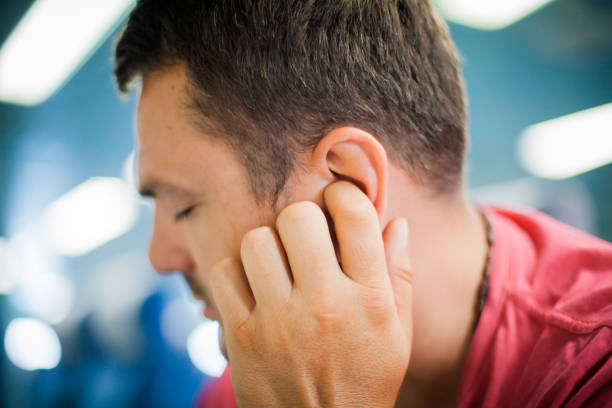
Yes, ear wax can cause a feeling of pressure or fullness in the ear, particularly when wax builds up and becomes impacted inside the ear canal.
Some people describe the sensation as having a blocked ear, while others may feel pressure, fullness, muffled hearing or discomfort. In many cases, these symptoms can occur when excess ear wax prevents sound from travelling normally through the ear canal.
However, ear pressure is not always caused by ear wax. Other conditions, including congestion, allergies, changes in air pressure, ear infections and problems with the Eustachian tube, can also cause similar symptoms.
What Does Ear Pressure Caused by Ear Wax Feel Like?
When ear wax builds up, you may notice one or more of the following symptoms:
- A feeling of pressure or fullness in the ear
- A blocked or plugged-up sensation
- Muffled or reduced hearing
- Sounds seeming quieter than usual
- Ringing or buzzing in the ear
- Mild ear discomfort
- A sensation that your ear needs to “pop”
- Hearing that seems worse in one ear
The symptoms may become more noticeable when the wax has accumulated over time or has become impacted.
How Can Ear Wax Cause Pressure in the Ear?
Ear wax, also known as cerumen, is naturally produced by the ears and normally moves towards the outside of the ear canal.
Sometimes, however, wax can build up faster than it is naturally removed. It can become compacted and partially or completely block the ear canal.
This blockage can create a sensation of pressure, fullness or congestion. It can also reduce the amount of sound reaching the eardrum, which may make your hearing seem muffled.
This is one reason why people sometimes describe impacted ear wax as feeling like their ear is “blocked”.
Can Ear Wax Cause Pressure in Only One Ear?
Yes. Ear wax can cause pressure or fullness in just one ear.
Wax does not necessarily build up equally in both ears. One ear may have significantly more wax than the other, resulting in symptoms on only one side.
If you suddenly notice that one ear feels blocked, your hearing has become muffled or you have developed pressure in one ear, ear wax is one possible cause.
However, there are several other potential causes of one-sided ear pressure, so persistent or sudden symptoms should not automatically be assumed to be caused by wax.
Can Ear Wax Cause Muffled Hearing and Pressure Together?
Yes. Pressure and muffled hearing commonly occur together when ear wax is blocking part of the ear canal.
You may notice that:
- Conversations sound quieter
- Voices seem muffled
- Television needs to be louder
- Your own voice sounds different
- One ear seems noticeably different from the other
If these symptoms are caused by impacted ear wax, professional removal may allow sound to travel through the ear canal normally again.
Why Does My Ear Feel Full but I Don’t Have Ear Wax?
A feeling of pressure or fullness does not always mean that you have excess ear wax.
Other possible causes include:
Eustachian Tube Dysfunction
The Eustachian tubes help regulate pressure between the middle ear and the environment. If they are not working properly, you may experience pressure, fullness, popping or muffled hearing.
Colds and Congestion
A cold or blocked nose can affect the Eustachian tubes and create a sensation of pressure in the ears.
Allergies
Allergies can cause inflammation and congestion around the nose and Eustachian tubes, potentially contributing to ear pressure.
Changes in Air Pressure
Flying, driving through significant changes in altitude or other changes in atmospheric pressure can cause the ears to feel blocked or pressurised.
Ear Infection
An ear infection can cause pressure, discomfort, reduced hearing and other symptoms. Ear infections may require assessment and appropriate treatment.
Because several different conditions can cause similar symptoms, an examination can help determine the likely cause.
How Can You Tell If Ear Wax Is Causing the Pressure?
It can be difficult to tell at home whether ear pressure is caused by wax.
You may be more likely to have a wax blockage if you also notice:
- Muffled hearing
- A blocked sensation
- Visible ear wax around the entrance of the ear
- Symptoms developing gradually
- A history of recurring ear wax build-up
- Hearing that improves after professional wax removal
The most reliable way to determine whether wax is contributing to your symptoms is to have the ears examined by an appropriately trained professional.
Should You Remove Ear Wax Yourself?
It is generally best to avoid putting cotton buds, fingers or other objects into the ear canal to try to remove ear wax.
Attempting to clean deep inside the ear can push wax further into the canal and potentially irritate or injure the ear.
The ears have a natural self-cleaning process, and wax does not normally need to be removed unless it is causing symptoms or affecting hearing.
If you think impacted ear wax is causing pressure or blocked ears, professional assessment and removal can be a safer approach.
Can Microsuction Help With Ear Pressure Caused by Ear Wax?
If ear wax is found to be blocking the ear canal, microsuction ear wax removal may be used to remove the build-up.
Microsuction involves using gentle suction under direct visualisation to remove ear wax from the ear canal. Once the obstruction has been removed, some people notice that the blocked or pressured sensation improves and their hearing becomes clearer.
However, improvement depends on what is actually causing the symptoms. If the pressure is caused by something other than ear wax, removing wax may not resolve it.
When Should You Get Your Ear Checked?
You should consider getting your ear assessed if pressure or fullness:
- Persists or keeps returning
- Is affecting your hearing
- Occurs mainly in one ear
- Is accompanied by significant discomfort
- Develops alongside discharge from the ear
- Is associated with dizziness or other concerning symptoms
- Does not improve after appropriate ear wax removal
Sudden hearing loss, severe symptoms or significant changes in hearing should be assessed promptly rather than assuming ear wax is responsible.
Ear Wax Removal in Ruislip
If you have blocked ears, ear pressure, muffled hearing or suspected ear wax build-up, professional ear wax removal can help determine whether wax is contributing to your symptoms.
Cleaner Ears provides professional ear wax removal in Ruislip, including microsuction, for people experiencing symptoms associated with excess or impacted ear wax.
If you are unsure whether ear wax is causing the pressure in your ear, an assessment can help identify the likely cause and whether ear wax removal is appropriate.
Frequently Asked Questions
Can ear wax cause pressure in the ear?
Yes. Excess or impacted ear wax can block the ear canal and cause a sensation of pressure, fullness or blockage.
Can ear wax cause pressure without pain?
Yes. Ear wax does not always cause pain. Some people mainly experience fullness, pressure, muffled hearing or a blocked sensation.
Can ear wax cause pressure in one ear?
Yes. Wax can build up more in one ear than the other, causing pressure or fullness on one side.
How do I know if my ear pressure is caused by wax?
Pressure accompanied by muffled hearing or a blocked sensation can be consistent with ear wax, but other conditions can cause similar symptoms. An ear examination can help identify the cause.
Will ear pressure go away after ear wax removal?
If the pressure is caused by impacted ear wax, removing the blockage may relieve the sensation. If another condition is responsible, additional assessment may be needed.
Can cotton buds make ear pressure worse?
Yes. Cotton buds can push ear wax deeper into the ear canal, potentially making a blockage worse.
Conclusion
Ear wax can cause a feeling of pressure, fullness or blockage in the ear, particularly when excess wax becomes impacted and interferes with the ear canal.
However, ear pressure can have many causes, so it is important not to assume that wax is always responsible. If you have persistent pressure, muffled hearing or a blocked ear, having your ears professionally assessed can help determine the cause.
If ear wax is contributing to your symptoms, professional ear wax removal such as microsuction may help clear the blockage and restore clearer hearing.