
Rechargeable Hearing Aids: Are They Worth It?
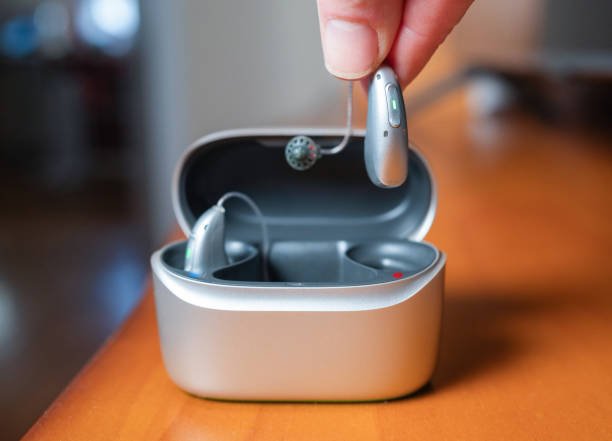
Hearing-aid technology has changed significantly over the years. One of the biggest developments has been the introduction of rechargeable hearing aids, which allow users to charge their devices instead of regularly replacing disposable batteries.
For many people, rechargeable hearing aids can make everyday hearing care simpler and more convenient. Instead of keeping spare batteries available, you can place your hearing aids into their charging station when you are not wearing them and have them ready for the next day.
But are rechargeable hearing aids right for everyone?
In this guide, we look at how rechargeable hearing aids work, their main benefits, potential drawbacks and what you should consider before choosing a pair.
What Are Rechargeable Hearing Aids?
Rechargeable hearing aids contain built-in rechargeable batteries.
Rather than removing and replacing small disposable batteries, you charge the hearing aids using a dedicated charging case or dock.
The process is similar to charging other everyday electronic devices. When you are finished wearing your hearing aids, you place them in the charger so they can recharge.
Depending on the hearing aid and battery technology, a full charge can provide enough power for much of the day.
How Do Rechargeable Hearing Aids Work?
Rechargeable hearing aids use built-in batteries that can be charged repeatedly.
Most systems include a charging station designed specifically for the hearing aids. Simply placing the devices into the charger allows them to recharge.
Some charging cases can also store additional power, meaning they can provide charging away from a mains power connection for a period of time.
The exact charging time and battery performance vary between models, so it is important to check the manufacturer’s specifications before choosing a particular hearing aid.
What Are the Benefits of Rechargeable Hearing Aids?
Rechargeable hearing aids offer several advantages that can make them attractive to people who want a simpler approach to hearing care.
1. No Regular Battery Changes
One of the biggest benefits is convenience.
With traditional hearing aids, you need to replace disposable batteries when they run out. This means remembering to buy and carry replacement batteries.
Rechargeable hearing aids remove much of that routine.
Instead, you simply charge the hearing aids and use them again.
2. Convenient for Everyday Use
For many people, charging their hearing aids can easily become part of their normal evening routine.
You can remove your hearing aids at night, place them in the charger and leave them ready for the following day.
This can be particularly useful for people who don’t want to deal with small batteries.
3. No Need to Carry Spare Batteries
Disposable batteries are small and easy to lose.
If your battery runs out while you are away from home, you may need to find a replacement before you can use your hearing aids again.
With rechargeable devices, planning your charging routine can reduce the need to carry spare batteries.
4. Easy to Use
Rechargeable hearing aids can be particularly convenient for people who find handling very small batteries difficult.
Instead of opening a battery compartment and changing batteries, you place the hearing aids into their charging dock.
The simplicity of this routine can make hearing aids easier to manage.
5. Modern Features
Rechargeable hearing aids are commonly found among newer generations of hearing technology.
Depending on the model, modern hearing aids may also offer features such as wireless connectivity, smartphone compatibility and advanced sound processing.
The exact features vary between devices, so it is important to choose a model based on your individual needs rather than simply choosing the newest technology.
Are Rechargeable Hearing Aids Better Than Battery-Powered Hearing Aids?
There is no single answer.
Both rechargeable and disposable-battery hearing aids can work well.
The better choice depends on your lifestyle, preferences and hearing requirements.
Rechargeable hearing aids may be particularly appealing if you want a simple daily routine and don’t want to regularly purchase or replace batteries.
Traditional battery-powered devices may still be suitable for people who prefer replaceable batteries or want the flexibility of carrying spare batteries.
A hearing-care professional can help you compare the options.
How Long Do Rechargeable Hearing Aids Last During the Day?
Battery life varies depending on the hearing aid model and how it is used.
Factors such as streaming audio, Bluetooth connectivity and other features can affect battery consumption.
For example, someone who frequently streams music or telephone calls through their hearing aids may use more battery power than someone who primarily uses the devices for conversations.
When choosing rechargeable hearing aids, ask about expected battery life based on your typical daily usage.
What Happens If the Battery Runs Out?
If a rechargeable hearing aid runs out of power, it generally needs to be placed back into its charger before it can be used again.
This is why developing a regular charging routine is important.
Charging your hearing aids when you are not using them can help ensure they are ready when you need them.
Some users may also choose a charging case that provides additional flexibility when travelling or away from home.
Are Rechargeable Hearing Aids Good for Older Adults?
Rechargeable hearing aids can be a convenient option for many older adults.
Handling tiny disposable batteries can sometimes be frustrating, particularly for people who find small objects difficult to manipulate.
With rechargeable hearing aids, the daily process can be much simpler: remove the devices, place them in the charger and put them back on when needed.
However, individual needs vary, so the most suitable hearing aid should always be selected based on the person’s hearing, lifestyle and ability to manage the device.
What About Travelling With Rechargeable Hearing Aids?
Rechargeable hearing aids can be convenient when travelling, but it is important to plan ahead.
Take the charging equipment with you and make sure you know how the charger works.
If you are travelling somewhere where access to electricity may be limited, consider how you will keep the devices charged.
A portable power bank or suitable travel charging solution may provide additional flexibility, depending on the manufacturer’s recommendations.
Can Rechargeable Hearing Aids Connect to a Smartphone?
Many modern hearing aids offer wireless connectivity, although the exact capabilities vary between models and smartphones.
Compatible hearing aids may allow users to stream calls, music or other audio directly from supported devices.
This can make everyday activities more convenient and reduce the need to hold a phone close to the hearing aid.
Before choosing a device, check that the hearing aid is compatible with your particular smartphone and that the features you want are supported.
How Long Do Rechargeable Hearing Aid Batteries Last?
Rechargeable hearing-aid batteries are designed to be charged and used repeatedly.
Like other rechargeable batteries, their capacity can gradually decrease over time.
Eventually, the battery may not provide the same level of performance it did when the hearing aids were new.
The expected lifespan depends on the specific technology and manufacturer.
If battery performance becomes noticeably worse, speak to your hearing-care provider about your options.
Do Rechargeable Hearing Aids Need Maintenance?
Yes.
Rechargeable hearing aids still need regular care.
Keep the devices clean, follow the manufacturer’s instructions and make sure the charging contacts remain clean.
Earwax can also affect hearing-aid performance, so maintaining good ear care is important.
If you notice that your hearing aids are not working as expected, professional cleaning, adjustment or servicing may help.
Can Earwax Affect Rechargeable Hearing Aids?
Earwax can affect hearing and hearing-aid performance.
If earwax becomes impacted, you may notice that sounds seem quieter or muffled. You may also feel that your hearing aids are no longer working as effectively as they previously did.
If you think earwax may be affecting your hearing, avoid attempting to remove impacted wax yourself with objects inserted into the ear.
Professional earwax removal can provide a safer approach when removal is necessary.
Cleaner Ears provides professional earwax removal services for people experiencing problems associated with earwax build-up.
Who Should Consider Rechargeable Hearing Aids?
Rechargeable hearing aids may be worth considering if you:
- Don’t want to regularly replace disposable batteries
- Prefer a simple charging routine
- Want modern hearing-aid technology
- Find small batteries difficult to handle
- Want fewer consumable items to keep at home
- Are interested in wireless connectivity
- Want a convenient everyday hearing solution
However, rechargeable technology isn’t automatically the best choice for everyone.
The most important thing is finding hearing aids that match your hearing needs and lifestyle.
Explore Rechargeable Hearing Aids With Hear Clear Pro
If you’re considering upgrading your hearing aids or trying hearing aids for the first time, it can be useful to explore the modern options available.
Hear Clear Pro provides hearing-aid solutions designed around different hearing needs, lifestyles and budgets, including modern devices and flexible monthly options.
If you’re interested in rechargeable hearing aids, speak to a hearing professional about the features available and which option may be suitable for you.
Explore hearing-aid options with Hear Clear Pro:
https://www.hearclearpro.co.uk/
Final Thoughts
Rechargeable hearing aids can make managing hearing technology easier by replacing the routine of buying and changing disposable batteries with a simple charging routine.
For many people, the convenience of placing their hearing aids into a charger at the end of the day can be a major advantage.
However, battery type is only one factor to consider when choosing hearing aids.
Comfort, hearing performance, speech clarity, connectivity, battery life, features and ongoing support should all be considered when choosing the right device.
If your current hearing aids are becoming unreliable or you are considering hearing aids for the first time, professional advice can help you understand your options.
And if you’re ready to explore modern hearing technology, Hear Clear Pro is a useful place to start.