
5 Signs You May Need Hearing Aids
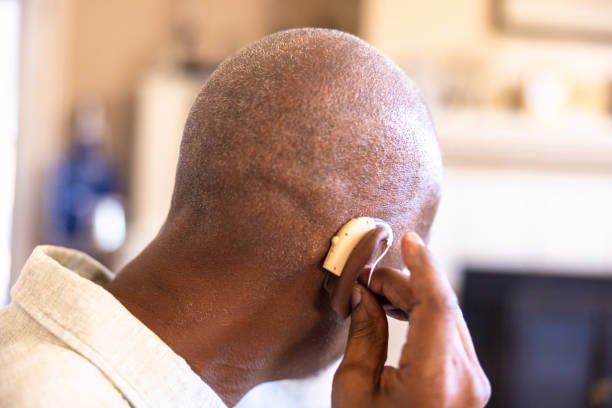
Hearing loss can develop gradually, which means many people don’t immediately realise how much their hearing has changed. You may become accustomed to asking people to repeat themselves, turning the television up or struggling to follow conversations in busy environments without recognising that these could be signs of hearing loss.
Hearing aids can help many people hear speech and everyday sounds more clearly, making communication easier and helping you stay connected with the people around you.
But how do you know when it might be time to consider hearing aids?
Here are five common signs that it could be worth having your hearing checked and discussing your options with a hearing professional.
1. You Frequently Ask People to Repeat Themselves
One of the most common signs of hearing difficulty is regularly asking people to repeat what they have said.
You may find yourself saying “What?” or “Could you say that again?” several times during a conversation. Some people also find that they understand individual words but struggle to put the whole sentence together.
This can become particularly noticeable when several people are talking at once.
If family members or friends have started commenting that you don’t seem to hear them, it may be worth arranging a hearing assessment.
2. You Keep Turning the TV Up
Do you regularly find yourself increasing the television volume?
You might feel that the television is simply too quiet, while other people in the room think the volume is uncomfortably loud.
This can happen when certain parts of speech become harder to hear. You may still be able to hear sounds clearly but struggle to understand dialogue, particularly when there is background music or other noise.
If you constantly need the television louder than the people around you prefer, consider having your hearing checked.
3. Conversations Are Difficult in Noisy Places
Many people with hearing loss find busy environments particularly challenging.
You might manage reasonably well when speaking to one person in a quiet room but struggle in restaurants, cafés, family gatherings or other places with background noise.
Background conversations, music and general noise can make it harder to distinguish speech.
If you regularly avoid social situations because following conversations has become difficult, hearing support may make everyday communication easier.
Modern hearing aids are designed with different listening environments in mind, and some offer technology intended to help with speech and background noise.
4. You Struggle to Hear Family and Friends
Hearing loss can sometimes become most obvious around the people you know best.
You may notice that you miss parts of conversations with your partner, children, grandchildren, friends or colleagues.
Sometimes you can see that someone is speaking but cannot clearly understand what they are saying.
It can be tempting to blame the other person for speaking too quietly or too quickly, but persistent difficulty understanding speech can be a sign that your hearing needs checking.
A hearing assessment can help establish whether hearing loss is contributing to the problem.
5. You Feel That Sounds Are Becoming Quieter
Another possible sign of hearing loss is noticing that everyday sounds don’t seem as loud as they used to.
You might struggle to hear the doorbell, telephone, birds outside, someone calling your name or other sounds that you previously noticed easily.
Changes can happen gradually, so you may not realise how much your hearing has changed until you compare your experience with someone else’s.
If everyday sounds seem noticeably quieter, professional hearing advice can help determine what may be happening.
When Should You Have Your Hearing Checked?
You don’t need to wait until hearing loss significantly affects your daily life before having your hearing checked.
If you have noticed persistent changes in your hearing, an assessment can help you understand your current hearing ability and what options may be available.
A hearing assessment does not automatically mean that you need hearing aids.
Depending on the results, you may simply need monitoring, advice about hearing protection, earwax management or further support.
Can Earwax Cause Hearing Problems?
Earwax build-up can sometimes cause temporary hearing difficulties.
If wax becomes impacted, it can block the ear canal and make sounds seem quieter or muffled.
This is one reason it is important to consider ear health when you notice a sudden change in hearing.
If you suspect that earwax may be affecting your hearing, professional earwax removal may be appropriate.
At Cleaner Ears, we provide professional earwax removal to help people dealing with impacted earwax and related hearing difficulties.
What If You Do Need Hearing Aids?
If a hearing assessment shows that hearing aids could benefit you, there are now many different options available.
Modern hearing aids are designed to be much smaller and more sophisticated than older devices. Depending on the model, features can include rechargeable batteries, wireless connectivity and advanced sound processing.
The best hearing aid for you will depend on your hearing, lifestyle and personal preferences.
Someone who spends a lot of time in restaurants or social environments may have different requirements from someone who mainly wants to hear conversations at home.
Explore Hearing Aids With Hear Clear Pro
If you think hearing aids could help you hear more comfortably and stay connected with the people around you, it is worth exploring the options available.
Hear Clear Pro offers modern hearing-aid solutions designed around different hearing needs, lifestyles and budgets, with flexible monthly options available.
Whether you’re considering hearing aids for the first time or looking for an alternative to an older device, you can explore the available options and get professional guidance.
Find out more about hearing aids with Hear Clear Pro:
https://www.hearclearpro.co.uk/
Don’t Ignore Changes in Your Hearing
Hearing loss can develop slowly, making it easy to dismiss small changes.
If you regularly ask people to repeat themselves, turn the television up, struggle in noisy environments or find conversations increasingly difficult, it may be time to have your hearing checked.
Understanding your hearing is the first step towards finding the right support.
And if hearing aids are recommended, modern technology means there are more options available than ever before.