
How Long Do Hearing Aids Last? A Complete Guide
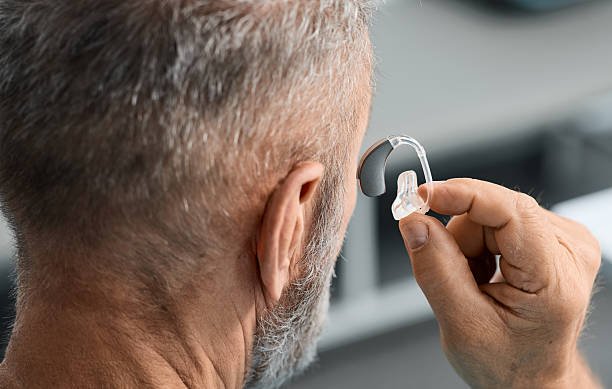
Hearing aids can make a significant difference to everyday life, helping you follow conversations, enjoy television, communicate with family and friends, and stay connected to the sounds around you. But like any piece of technology, hearing aids do not last forever.
If you already wear hearing aids, you may eventually wonder whether they simply need a little maintenance or whether it is time to replace them. If you are considering hearing aids for the first time, you may also want to know how long you can expect your investment to last.
So, how long do hearing aids actually last?
In general, a good-quality hearing aid can often last around three to seven years, although the exact lifespan varies considerably. How often the devices are worn, how well they are maintained, exposure to moisture and earwax, the quality of the original device, changes in hearing ability and advances in hearing-aid technology can all affect how long they remain useful.
In this guide, we look at how long hearing aids typically last, what can shorten their lifespan, the signs that your hearing aids may need replacing and when upgrading to newer technology could make sense.
What Is the Average Lifespan of a Hearing Aid?
There is no single expiry date for a hearing aid.
Many hearing aids can provide several years of reliable service when they are properly cared for. Some may continue working beyond this period, while others may need significant repairs or replacement sooner.
A commonly used estimate is approximately three to seven years.
However, lifespan is not simply about whether the hearing aid still turns on.
A hearing aid might technically continue functioning while becoming less suitable for your needs. For example, the device may require increasingly frequent repairs, the battery may no longer perform as well, or newer technology may provide noticeably better speech support.
This means there are two questions to consider:
Does my hearing aid still work?
and
Is my hearing aid still providing the level of support I need?
The second question is often just as important as the first.
Why Do Hearing Aids Eventually Need Replacing?
Modern hearing aids are designed to be durable, but they are exposed to everyday conditions that can gradually affect their performance.
Hearing aids may be exposed to:
- Moisture and humidity
- Earwax
- Skin oils
- Dust and debris
- Accidental drops
- Frequent handling
- Temperature changes
- Daily wear and tear
Even with excellent care, components can eventually become less reliable.
Technology also develops quickly. A hearing aid that was considered advanced several years ago may have fewer features and less sophisticated processing than current models.
Replacing a hearing aid is therefore not necessarily a sign that the original device was poor quality. It can simply mean that the device has reached the end of its practical lifespan.
1. Your Hearing Aids Need Frequent Repairs
One of the clearest signs that your hearing aids may be approaching the end of their useful life is an increasing need for repairs.
Occasional maintenance is normal. Hearing aids contain small components that can sometimes need attention.
However, if you are repeatedly experiencing problems such as sound cutting out, distortion, intermittent operation or other faults, it may be worth discussing whether continued repairs are worthwhile.
If repair costs are becoming significant, replacing the devices could provide a more reliable long-term solution.
2. The Sound Quality Has Changed
You may notice that your hearing aids no longer sound as clear as they once did.
Speech may seem muffled or distorted, or you may find yourself struggling to understand people even when your hearing aids are switched on.
There can be several reasons for this.
The devices may need cleaning, servicing or adjustment. Earwax can also affect hearing-aid performance and your perception of sound.
However, if the problem continues after the hearing aids have been checked and adjusted, your devices may be ageing or your hearing may have changed.
A hearing assessment can help determine what is happening.
3. Your Hearing Has Changed
Hearing loss can change over time.
A hearing aid is programmed according to your hearing needs, so if your hearing changes significantly, the existing settings may no longer provide the same level of support.
Sometimes a hearing aid can simply be reprogrammed.
In other situations, your current devices may not have enough power or flexibility to accommodate your new hearing requirements.
This is one reason regular hearing checks are useful, particularly if you notice that conversations have become more difficult again.
4. You Are Constantly Increasing the Volume
If you regularly find yourself turning up your television, radio or other devices despite wearing hearing aids, it is worth investigating why.
It could be that your hearing has changed, your hearing aids require adjustment or maintenance, or the devices are no longer providing enough support.
Rather than simply increasing the volume, consider having your hearing and hearing aids checked.
5. The Battery Does Not Last as Long
Battery performance can change over time.
For traditional disposable-battery hearing aids, you may notice that batteries need replacing more frequently.
Rechargeable hearing aids can also experience changes in battery performance as the rechargeable battery ages.
If you are having to charge your devices much more frequently than you used to, or they are struggling to last throughout the day, it may be time to have them checked.
If your hearing aids are several years old, newer rechargeable models may also offer a more convenient experience.
6. Your Hearing Aids Are No Longer Comfortable
Comfort is an important part of successful hearing-aid use.
If your devices no longer feel comfortable, this does not automatically mean they need replacing. Sometimes a professional adjustment can make a significant difference.
However, changes in your ears, changes in your hearing or advances in hearing-aid design may mean that newer devices could provide a better fit and experience.
If you have stopped wearing your hearing aids because they are uncomfortable, it is worth seeking professional advice rather than simply leaving them unused.
7. You Struggle in Noisy Environments
One of the most common frustrations for people with hearing loss is understanding speech when there is background noise.
Restaurants, cafés, family gatherings and busy public places can all present challenges.
Older hearing aids may not offer the same level of sound processing and connectivity available in newer models.
Modern hearing aids can include features designed to help manage different listening environments and make everyday communication more convenient.
That does not mean newer technology will eliminate every difficulty in noisy environments, but an upgrade may be worth considering if this is a major problem for you.
How Can You Make Hearing Aids Last Longer?
Good maintenance can help you get the most from your hearing aids.
Here are several habits that can help protect your devices.
Keep Them Clean
Earwax and debris can build up around hearing-aid components and affect performance.
Follow the cleaning instructions provided for your particular hearing aids and have them professionally checked when necessary.
Protect Them From Moisture
Although many modern hearing aids have some level of moisture resistance, they should still be treated carefully around water.
Avoid exposing them unnecessarily to showers, swimming pools or excessive moisture.
If your hearing aids become wet, follow the manufacturer’s instructions for drying them.
Store Them Safely
When you are not wearing your hearing aids, keep them somewhere safe and dry.
Avoid leaving them loose in pockets, on tables where they could easily be knocked off or anywhere they could be accidentally damaged.
Look After the Batteries
If you use disposable batteries, store them according to the manufacturer’s recommendations.
If you use rechargeable hearing aids, follow the manufacturer’s charging instructions and keep the charging equipment clean and dry.
Have Them Checked
Regular professional checks can help identify problems before they become more serious.
If your hearing suddenly seems worse or your hearing aids stop performing as expected, do not assume that the devices simply need replacing. A professional can determine whether cleaning, repair, adjustment or replacement is appropriate.
Can Earwax Affect Hearing Aids?
Yes.
Earwax can be particularly relevant for people who wear hearing aids.
Depending on the type of hearing aid, earwax can accumulate around components and contribute to problems such as reduced sound output or blockages.
Hearing aids can also change the environment around the ear and, for some people, make earwax management more important.
If you wear hearing aids and experience a sudden change in hearing or device performance, it is sensible to have your ears and hearing aids checked.
At Cleaner Ears, professional ear wax removal can help when impacted earwax is affecting your hearing or causing discomfort.
When Should You Upgrade Your Hearing Aids?
There is no universal rule saying that you must replace your hearing aids after a particular number of years.
Instead, consider your overall experience.
An upgrade may be worth discussing if:
- Your hearing aids require frequent repairs
- They are no longer reliable
- You are struggling to understand speech
- Your hearing has changed
- The devices no longer feel comfortable
- Battery performance has declined
- You want rechargeable technology
- You would benefit from newer connectivity features
- You are finding noisy environments increasingly difficult
- Your current hearing aids no longer meet your lifestyle needs
An upgrade should be about improving your hearing experience rather than replacing a device simply because it has reached a particular age.
Should You Repair or Replace Your Hearing Aids?
This depends on the condition and age of your devices.
A relatively new hearing aid with a minor problem may simply need cleaning, adjustment or repair.
On the other hand, if an older device repeatedly develops problems and repair costs are increasing, replacement may make more sense.
You should also consider whether repairing an older device will leave you with technology that no longer meets your needs.
For example, spending money repeatedly repairing an older hearing aid may not be the best long-term solution if a newer device could provide improved features, comfort and reliability.
A hearing-care professional can help you compare your options.
Are Newer Hearing Aids Better?
Newer does not automatically mean better for every person.
The right hearing aid depends on your hearing, lifestyle, preferences and budget.
However, hearing-aid technology has continued to develop, with modern devices offering features such as rechargeable batteries, wireless connectivity and increasingly sophisticated sound processing.
Some models can connect to smartphones and other devices, allowing users to stream audio directly through compatible hearing aids.
The most important consideration is whether the technology provides useful benefits for you.
Choosing Hearing Aids for Your Lifestyle
Different people have very different hearing needs.
Someone who spends most of their time at home may have different priorities from someone who regularly attends meetings, social events or busy restaurants.
Before choosing a hearing aid, consider where you spend most of your time.
Do you regularly:
- Talk with family?
- Watch television?
- Use a smartphone?
- Attend social gatherings?
- Visit restaurants?
- Work in meetings?
- Spend time outdoors?
- Listen to music?
- Travel?
Discussing these situations with a hearing professional can help identify which features are genuinely useful rather than paying for technology you may never use.
Hearing Aids Should Be Part of a Wider Hearing-Care Plan
Hearing aids are an important tool, but looking after your hearing involves more than the devices themselves.
Regular hearing checks can help monitor changes in hearing.
Ear care can also be important, particularly if you are prone to earwax build-up.
If your hearing seems to have changed, it is worth investigating the reason rather than simply increasing the volume on your hearing aids or television.
Explore Modern Hearing Aid Options With Hear Clear Pro
If your hearing aids are becoming unreliable, uncomfortable or difficult to use, it may be time to explore your options.
Hear Clear Pro provides hearing-aid solutions designed to suit different hearing needs, lifestyles and budgets. Their range includes modern hearing technology and flexible monthly options, making it easier to explore hearing support without necessarily paying the full cost upfront.
Whether you are considering hearing aids for the first time or thinking about replacing an older pair, professional guidance can help you understand which options may be suitable.
Explore modern hearing-aid options with Hear Clear Pro:
https://www.hearclearpro.co.uk/
How to Get More Years From Your Hearing Aids
The best way to extend the useful life of your hearing aids is to look after them consistently.
Keep them clean, protect them from unnecessary moisture, store them safely and follow the manufacturer’s maintenance recommendations.
Most importantly, do not ignore changes in performance.
If your hearing aids suddenly sound different, become uncomfortable or stop lasting throughout the day, have them checked.
The problem may be something simple that can be fixed without replacing the devices.
On the other hand, if your hearing aids are several years old and you are experiencing multiple problems, it may be time to consider an upgrade.
Final Thoughts
Hearing aids can last for many years, but their practical lifespan depends on more than whether they still switch on.
Good maintenance, regular checks and proper ear care can help you get the most from your devices. However, changes in hearing, repeated repairs, declining battery performance and difficulties in everyday conversations can all be signs that it is time to review your options.
If you are unsure whether your current hearing aids need repairing, adjusting or replacing, professional advice is the best place to start.
And if you are ready to explore newer hearing technology, Hear Clear Pro can help you look at modern hearing-aid options and flexible ways to access them.
Clearer hearing can make everyday conversations, family time and social situations more enjoyable. The right hearing support can help you stay connected to the people and moments that matter.