
How Often Should You Have a Hearing Test?
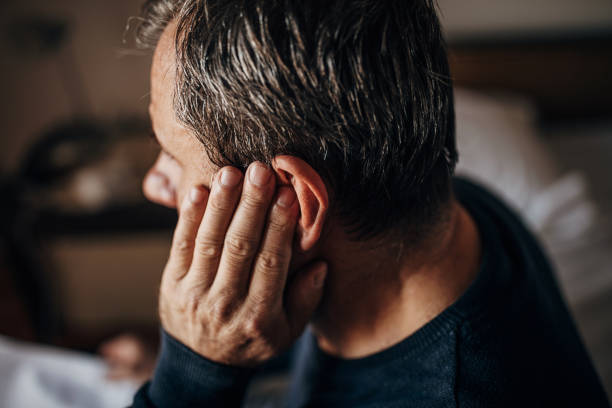
Many people only think about having a hearing test when they notice a problem.
Perhaps the television has gradually become louder, conversations are becoming more difficult to follow, or you find yourself asking people to repeat themselves. But hearing can change gradually, and you may not always notice the changes yourself.
So, how often should you have a hearing test?
There is no single testing schedule that is right for everyone. How often you should have your hearing checked depends on factors such as your age, hearing history, symptoms, exposure to loud noise and whether you already use hearing aids.
For some people, routine hearing checks every few years may be appropriate. Others may benefit from more frequent assessments.
Regular hearing tests can help identify changes early and give you a clearer understanding of your hearing health.
What Is a Hearing Test?
A hearing test is an assessment of how well you can hear different sounds and frequencies.
A hearing professional may assess your ability to hear sounds at different volumes and pitches and may carry out additional tests depending on your symptoms and hearing history.
The results can help determine whether you have hearing loss and, if so, how significant it is.
A hearing assessment can also help identify differences between your ears.
For example, you may discover that you hear significantly better in one ear than the other.
How Often Should Adults Have a Hearing Test?
For adults without noticeable hearing difficulties, the appropriate frequency depends on individual circumstances.
If you have no symptoms and no particular risk factors, you may not need a hearing test every year.
However, having your hearing checked periodically can be useful, particularly as you get older.
A hearing professional can recommend an appropriate testing schedule based on your age, previous results and hearing history.
If you have noticed any change in your hearing, you should not wait until your next routine test.
Should You Have a Hearing Test Every Year?
An annual hearing test is not necessarily required for every adult.
However, some people may benefit from yearly monitoring.
Annual testing can be particularly useful if you:
Already have hearing loss
Wear hearing aids
Have noticed changes in your hearing
Have persistent tinnitus
Work around loud noise
Regularly attend loud concerts or events
Have a history of ear problems
Have previously had significantly different hearing between your ears
Are monitoring a known hearing condition
Your hearing professional can advise you on how frequently your hearing should be assessed.
How Often Should Older Adults Have Their Hearing Tested?
Hearing loss becomes more common as people get older.
Age-related hearing loss usually develops gradually, which means you may not immediately recognise that your hearing has changed.
You might simply assume that other people are mumbling, that restaurants have become noisier or that everyone on television is speaking more quietly.
A hearing test can help distinguish between normal changes in hearing and hearing difficulties that may benefit from support.
Older adults who already have hearing loss or hearing aids may need more regular monitoring.
Why Is Regular Hearing Testing Important?
Regular hearing tests provide a way to monitor changes over time.
Your hearing today may not be the same as it was several years ago.
By comparing current results with previous hearing tests, a hearing professional may be able to identify changes that you might not have noticed yourself.
Regular testing can also help identify whether hearing difficulties are affecting particular frequencies.
This is important because hearing loss does not always affect all sounds equally.
Can Hearing Loss Develop Without You Knowing?
Yes.
One of the reasons hearing tests are useful is that hearing loss can develop gradually.
You may still hear everyday sounds and believe that your hearing is normal while struggling with certain types of speech.
For example, you might hear that someone is talking but have difficulty understanding exactly what they are saying.
You may particularly struggle when:
Several people are talking
There is background noise
Someone speaks quietly
Someone speaks from another room
People have higher-pitched voices
You cannot see the speaker’s face
These can be early signs that your hearing should be assessed.
What Are the Signs You Need a Hearing Test?
You may benefit from a hearing test if you notice any of the following:
You frequently ask people to repeat themselves
You turn the television volume up
People seem to mumble
Conversations are difficult in restaurants
You struggle to hear in groups
You have difficulty hearing on the telephone
You hear better from one ear than the other
You have ringing or buzzing in your ears
You struggle to hear women’s or children’s voices
You rely heavily on lip reading
You frequently misunderstand conversations
Family members comment on your hearing
You avoid social situations because conversations are difficult
You do not need to wait until your hearing becomes severely affected before arranging an assessment.
Should You Have a Hearing Test If You Can Hear Normally?
You may still benefit from a hearing test even if you believe your hearing is normal.
Some hearing difficulties are subtle.
You might hear sounds but have difficulty understanding speech in particular environments.
A hearing test provides objective information about your hearing rather than relying entirely on how you feel your hearing is performing.
This can be particularly useful if you regularly work in noisy environments or have significant exposure to loud sound.
How Often Should You Have a Hearing Test If You Wear Hearing Aids?
People who use hearing aids generally benefit from regular hearing and hearing-aid reviews.
The exact frequency depends on your individual hearing needs and the advice of your hearing professional.
Follow-up appointments can help assess:
Whether your hearing has changed
Whether your hearing aids are still suitable
Whether the settings need adjustment
Whether the devices are working correctly
Whether the fit remains comfortable
Whether you are experiencing difficulties in particular listening environments
If your hearing changes noticeably, you should arrange an assessment rather than waiting for a routine appointment.
How Often Should Children Have Hearing Tests?
Children have different hearing needs from adults.
Hearing is particularly important during childhood because it contributes to speech, language, learning and communication.
The appropriate schedule depends on the child’s age, development, medical history and previous hearing results.
If parents or teachers notice that a child is not responding to sounds, frequently misunderstands instructions or appears to have difficulty hearing, a hearing assessment may be appropriate.
How Often Should You Have a Hearing Test If You Work Around Loud Noise?
Regular exposure to loud noise can increase the risk of noise-related hearing damage.
This can affect people working in environments such as:
Construction
Manufacturing
Engineering
Music
Nightlife
Aviation
Agriculture
Industrial facilities
Some healthcare environments
If your work involves significant noise exposure, appropriate hearing protection is important.
Your employer may also have workplace hearing-monitoring arrangements depending on the environment and applicable regulations.
If you notice changes in your hearing or develop tinnitus after noise exposure, arrange a hearing assessment.
Can Loud Music Affect How Often You Need a Hearing Test?
Regular exposure to loud music can potentially contribute to hearing damage.
This includes exposure from:
Concerts
Nightclubs
Festivals
Personal headphones
Earbuds
Musicians’ equipment
Rehearsal spaces
If you frequently expose your ears to loud sound, monitoring your hearing can be sensible.
You should also take steps to reduce excessive noise exposure and use appropriate hearing protection where necessary.
How Often Should You Have a Hearing Test If You Have Tinnitus?
Tinnitus can have many possible causes.
If you experience persistent tinnitus, particularly if it is new or affecting only one ear, a hearing assessment can be useful.
A hearing test can determine whether there is an associated hearing loss and provide information that may help guide further assessment.
Do not assume that tinnitus is simply something you have to live with without having it investigated.
What Happens During a Hearing Test?
A hearing assessment is usually straightforward.
Your hearing professional will first ask about your hearing and any symptoms you have noticed.
They may ask questions about:
When you first noticed a hearing problem
Whether one ear is worse
Tinnitus
Ear infections
Earwax
Noise exposure
Previous hearing tests
Hearing difficulties in particular environments
The hearing assessment itself may involve listening to different sounds through headphones or insert earphones.
You will generally indicate when you hear a sound.
The results can then be plotted on an audiogram.
What Is an Audiogram?
An audiogram is a visual representation of your hearing test results.
It shows the softest sounds you were able to hear at different frequencies.
The results for your left and right ears can be compared.
An audiogram can help a hearing professional determine whether hearing loss is present and identify its general pattern.
Your hearing professional can explain your results and what they mean for everyday communication.
Can Earwax Affect a Hearing Test?
Yes.
A significant build-up of earwax can block the ear canal and affect hearing.
This may also influence hearing test results.
If earwax is present, your hearing professional may recommend addressing the blockage before completing or interpreting certain parts of the assessment.
If you suspect that earwax is affecting your hearing, do not try to remove deep wax with cotton buds or other objects.
Professional earwax assessment and removal may be appropriate.
Can a Hearing Test Detect All Hearing Problems?
A standard hearing test provides important information, but hearing is complex.
You may have difficulty understanding speech in noisy environments even if your basic hearing thresholds appear relatively good.
This is why it is important to explain your real-world hearing difficulties to your hearing professional.
Tell them where you struggle.
For example, saying:
“I can hear people, but I cannot understand them in restaurants.”
provides useful information that may not be captured by simply saying that you can hear sounds.
Is a Hearing Test Painful?
A standard hearing test is generally non-invasive and should not be painful.
You will typically listen to sounds and respond when you hear them.
Depending on your symptoms and the type of assessment being performed, additional procedures may sometimes be recommended.
Your hearing professional can explain what will happen before testing begins.
What Happens If Your Hearing Test Shows Hearing Loss?
If your hearing test identifies hearing loss, the next step depends on the severity and type of hearing loss and your individual circumstances.
Your hearing professional can explain the results and discuss appropriate options.
These may include:
Monitoring your hearing
Hearing protection
Communication strategies
Hearing aids
Further assessment
Referral to another healthcare professional when appropriate
A hearing test does not automatically mean that you need hearing aids.
The results are used to understand your hearing and determine what support, if any, may be appropriate.
What If One Ear Is Worse Than the Other?
Differences between the ears can occur for various reasons.
If you consistently hear better in one ear, it is worth mentioning this to your hearing professional.
A hearing assessment can determine whether there is a measurable difference between your ears.
If you experience a sudden change in hearing in one ear, particularly if it develops rapidly, seek prompt medical assessment rather than waiting for a routine hearing test.
Can Hearing Change After a Hearing Test?
Yes.
A hearing test only tells you about your hearing at the time it is performed.
Hearing can change over time because of ageing, noise exposure, ear conditions, medications, illness and other factors.
This is why repeat testing can be useful when there are symptoms or known hearing difficulties.
What Is the Difference Between a Hearing Screening and a Hearing Test?
A hearing screening is generally designed to identify whether further assessment may be needed.
A full hearing assessment can provide more detailed information about your hearing ability and the nature of any hearing loss.
If a screening indicates a potential problem, further testing may be recommended.
Should You Have a Hearing Test Before Getting Hearing Aids?
Yes.
A proper hearing assessment is an important part of determining whether hearing aids may be appropriate.
Your hearing results help the hearing professional understand the degree and pattern of your hearing loss.
This information can then be used when discussing hearing-aid options and programming.
When Should You Get a Hearing Test Immediately?
Some hearing changes should not wait for a routine appointment.
Seek prompt medical assessment if you experience a sudden loss of hearing, particularly if it develops rapidly or affects one ear.
You should also seek medical advice if hearing loss occurs alongside concerning symptoms such as severe dizziness, significant ear pain, discharge from the ear or other sudden neurological symptoms.
Sudden hearing changes can sometimes require urgent assessment.
How Can You Protect Your Hearing Between Tests?
There are several practical ways to look after your hearing.
Protect Your Ears From Loud Noise
Use suitable hearing protection when exposed to loud environments.
Keep Headphone Volume Reasonable
Avoid listening to headphones or earbuds at excessively high volumes for prolonged periods.
Give Your Ears Breaks
If you spend time around loud sounds, take opportunities to move away from the noise and allow your ears to recover.
Manage Earwax Safely
Do not routinely insert cotton buds or other objects into your ear canals.
Pay Attention to Changes
If you notice that conversations are becoming more difficult, do not simply wait for your next routine hearing test.
Arrange an assessment.
Frequently Asked Questions
How often should you have a hearing test?
There is no universal schedule for everyone. People with hearing loss, tinnitus, significant noise exposure or hearing aids may need more frequent monitoring. Your hearing professional can recommend an appropriate interval.
Should I have a hearing test every year?
Not necessarily. Annual testing may be useful for some people, particularly those already experiencing hearing difficulties, but healthy adults without symptoms may not need yearly testing.
How often should older adults have a hearing test?
Older adults can benefit from regular hearing monitoring because age-related hearing loss can develop gradually. The appropriate frequency depends on individual hearing history and symptoms.
Do I need a hearing test if I can hear normally?
You may still benefit from periodic hearing checks, especially if you have significant noise exposure or a family history of hearing difficulties. A test can identify changes that may not be obvious in everyday life.
Can earwax affect my hearing test?
Yes. Significant earwax blockage can reduce hearing and potentially affect test results. Your ears can be checked before testing.
Should I have a hearing test if I have tinnitus?
Persistent tinnitus is a good reason to have your hearing assessed. A hearing test can identify whether there is associated hearing loss and help determine whether further evaluation is appropriate.
What happens after a hearing test?
Your hearing professional will explain your results. Depending on the findings, you may simply monitor your hearing, discuss hearing protection, consider hearing aids or receive advice about further assessment.
The Bottom Line
There is no single hearing-test schedule that applies to every person.
If your hearing appears normal and you have no particular risk factors, periodic hearing checks may be sufficient. However, if you have hearing loss, tinnitus, significant noise exposure, hearing aids or noticeable changes in your ability to communicate, more regular testing may be appropriate.
Most importantly, do not wait for a routine appointment if you notice a significant change in your hearing.
Hearing tests are straightforward and can provide valuable information about how well you hear, whether your hearing has changed and whether you could benefit from additional support.
If you are finding conversations harder to follow, asking people to repeat themselves, increasing the television volume or struggling to hear in noisy environments, arranging a hearing test can be a useful first step.