
Can You Wear Hearing Aids All Day?
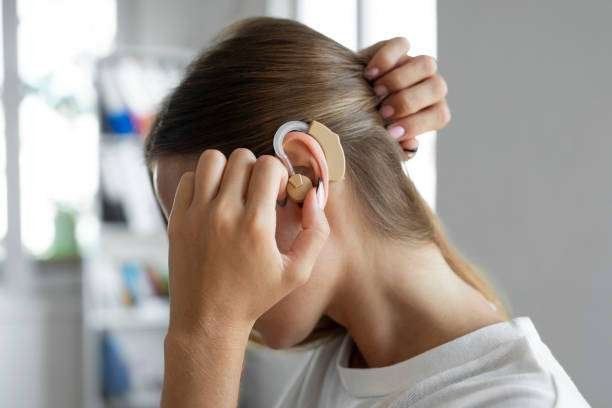
If you have recently started wearing hearing aids, you may wonder how long you should keep them in each day.
Can you wear hearing aids all day?
For most people, hearing aids are designed to be worn for much of the day while you are awake. In fact, wearing them consistently can help you become more comfortable with amplified sound and make it easier to adjust to hearing in different environments.
However, wearing hearing aids all day does not mean you should ignore discomfort, irritation, moisture or other problems. Your hearing aids should feel comfortable, and if something does not seem right, it is worth having them checked.
The amount of time you should wear your hearing aids depends on your individual hearing needs, the type of device you use, your lifestyle and how comfortable you are wearing them.
How Many Hours a Day Should You Wear Hearing Aids?
There is no single number of hours that applies to everyone.
Many hearing professionals encourage people to wear their hearing aids during most waking hours, particularly once they have become accustomed to them.
Someone who has worn hearing aids for years may comfortably wear them throughout the day.
A person who has only recently received hearing aids may need to build up their wearing time gradually.
For example, you might initially wear them for a few hours at home before gradually increasing the amount of time you use them.
The important thing is to become comfortable while giving your brain time to adjust to hearing amplified sounds.
Should You Wear Hearing Aids All Day?
For many hearing aid users, wearing them consistently can be beneficial.
Hearing aids are not simply devices that make sounds louder. They are designed to process sound and provide amplification according to your hearing needs.
Regular use gives you more opportunities to hear speech clearly and practise listening with your hearing aids.
Wearing them consistently can also help your brain become familiar with sounds that may have been difficult to hear before.
This is particularly important when you first start using hearing aids.
What Happens When You Wear Hearing Aids for the First Time?
The first few days can feel unusual.
You may notice sounds that you have not paid attention to for a long time.
Footsteps may seem louder.
Paper may sound surprisingly noisy.
Clothing may rustle.
Cutlery may sound sharper.
Your own voice may sound different.
Background sounds may seem more noticeable.
This does not necessarily mean that your hearing aids are too loud or that something is wrong.
Your brain may simply be adjusting to sounds that it has not been receiving clearly for some time.
Why Do Hearing Aids Sound Strange at First?
When hearing loss develops gradually, the brain can become accustomed to receiving less sound.
Once hearing aids restore some of those sounds, the difference can be noticeable.
You may initially feel that everything sounds louder or more detailed than expected.
Your own voice may also sound unusual.
This adjustment period can take time.
The more consistently you use your hearing aids, the more familiar the sound can become.
If sounds remain uncomfortably loud or unnatural after you have had time to adjust, speak to your hearing professional.
Your hearing aids may need fine tuning.
Can You Wear Hearing Aids All Day at Work?
In many cases, yes.
If your hearing aids are comfortable and suitable for your working environment, wearing them throughout your working day can make communication easier.
They may help you follow meetings, conversations, telephone calls and discussions with colleagues.
However, certain workplaces require additional hearing protection.
If you work in a very noisy environment, your hearing professional can advise you on how to use your hearing aids safely alongside appropriate hearing protection.
Hearing aids are not a substitute for occupational hearing protection where hearing protection is required.
Can You Wear Hearing Aids in Restaurants?
Yes.
Restaurants are often one of the environments where people with hearing loss notice difficulties.
Background conversations, music, plates, cutlery and kitchen noise can make speech harder to understand.
Modern hearing aids can use different processing features to help improve speech understanding in noisy environments.
However, hearing aids cannot completely remove background noise.
If you still struggle in restaurants, your hearing professional may be able to adjust your settings or discuss features designed to improve listening in challenging environments.
Can You Wear Hearing Aids Outside?
Generally, hearing aids can be worn outdoors.
However, you should protect them from unnecessary exposure to water and moisture.
Rain, sweat and high humidity can affect hearing aids, depending on their level of moisture resistance.
Always follow the manufacturer’s instructions for your particular devices.
If you regularly spend time outdoors, tell your hearing professional. Your lifestyle can be an important consideration when choosing and programming hearing aids.
Can You Wear Hearing Aids in the Rain?
Many modern hearing aids have some degree of water or moisture resistance.
However, water resistance does not mean waterproof.
If you are caught in heavy rain, try to protect your hearing aids where possible.
Do not deliberately expose them to large amounts of water.
If they become wet, follow the manufacturer’s drying instructions.
Never use a hairdryer or direct high heat unless specifically instructed by the manufacturer.
Can You Wear Hearing Aids While Exercising?
Many people wear hearing aids while walking, exercising or participating in everyday physical activities.
However, sweat and moisture can be a concern.
If you exercise heavily, clean and dry your hearing aids according to the manufacturer’s recommendations.
Some people may prefer to remove their hearing aids for particularly intense activities, especially where there is a high risk of water exposure.
If you frequently exercise while wearing hearing aids, mention this when discussing hearing aid options with your hearing professional.
Can You Sleep With Hearing Aids In?
In most situations, hearing aids are not intended to be worn while sleeping.
Removing them at night allows your ears and the surrounding skin to rest and gives you an opportunity to clean and dry the devices.
It also reduces the risk of damaging the hearing aids while sleeping.
There may be specialist situations where a hearing professional recommends a particular approach, but for typical hearing aid use, taking them out before going to sleep is usually appropriate.
Should You Take Hearing Aids Out During the Day?
You do not necessarily need to take regular breaks simply because you have been wearing your hearing aids for several hours.
If your hearing aids are comfortable and functioning correctly, you can generally continue wearing them.
However, if your ears become sore, irritated or uncomfortable, remove the devices and investigate the cause.
Persistent discomfort can indicate a fitting problem, incorrect dome size, mould issues or another problem that needs attention.
Why Do My Ears Hurt When I Wear Hearing Aids?
Hearing aids should not cause persistent pain.
Some initial awareness of having something in or around your ear can be normal, particularly when you are new to hearing aids.
However, significant pain, pressure or soreness should not simply be ignored.
Possible causes include:
An incorrectly fitted hearing aid
A dome that is too large
A poorly fitting earmould
Pressure from the device
Skin irritation
Earwax
An ear infection
A problem with the physical fit
If discomfort continues, speak to your hearing professional.
A small adjustment can sometimes make a significant difference.
Can Hearing Aids Cause Ear Infections?
Hearing aids do not automatically cause ear infections.
However, keeping a device inside or around the ear can sometimes contribute to moisture or irritation, particularly if the device is not kept clean or if it does not fit correctly.
If you develop ear pain, discharge, swelling, significant itching or other symptoms of an ear problem, remove the hearing aid if comfortable to do so and seek appropriate professional advice.
Do not continue wearing a device that causes significant pain.
Can You Wear Hearing Aids If You Have Earwax?
It depends on the amount of earwax and whether it is affecting your ear or hearing aid.
Small amounts of earwax are normal.
However, significant wax build up can cause blocked sound, feedback and reduced hearing aid performance.
If you suspect impacted earwax, do not insert cotton buds or other objects into the ear.
Professional earwax assessment and removal may be appropriate.
Can Earwax Make Hearing Aids Sound Quieter?
Yes.
Earwax can block the sound outlet, receiver or wax filter.
This can make your hearing aids appear to have become quieter.
Before assuming that the hearing aid itself has developed a fault, check whether the wax filter or other appropriate external components need cleaning or replacement.
If the problem persists, arrange a professional hearing aid check.
Can Hearing Aids Damage Your Ears?
When correctly fitted and appropriately used, hearing aids should not damage healthy ears simply because they are worn for long periods.
However, incorrect volume, poor fitting, physical irritation or an underlying ear problem can cause discomfort.
Your hearing aids should provide appropriate amplification for your hearing levels.
If sounds are consistently uncomfortably loud or your ears become painful, speak to your hearing professional.
Can Wearing Hearing Aids Improve Communication?
One of the main purposes of hearing aids is to make sounds easier to hear.
They can help many people follow conversations, particularly when speech would otherwise be difficult to hear.
However, hearing aids do not restore hearing to exactly the same level as normal hearing.
Their effectiveness also depends on the degree and type of hearing loss, the environment and the individual’s ability to process speech.
You may still need to use communication strategies in noisy environments.
Why Is It Important to Wear Hearing Aids Regularly?
Consistent use can help you become familiar with the way your hearing aids process sound.
If you only wear them occasionally, each time you put them back in may feel like another adjustment period.
Regular use gives your brain more opportunities to become accustomed to amplified sounds.
It can also make hearing support part of your normal daily routine.
What If You Only Wear Hearing Aids When Talking to People?
Some people initially wear hearing aids only during conversations or social occasions.
This can be a useful starting point for someone who is new to hearing aids.
However, wearing them in a wider range of everyday situations can help you become more comfortable with them.
You may also discover that you benefit from hearing sounds that are not part of direct conversations, such as announcements, traffic, household sounds and environmental cues.
Can Hearing Aids Help With Listening Fatigue?
Hearing loss can make listening more effortful, particularly in noisy or demanding environments.
You may have to concentrate harder to understand speech or rely on visual clues such as lip reading.
For some people, appropriate hearing aids can reduce the effort required to hear and understand speech.
However, hearing aids do not eliminate listening fatigue completely.
If you remain extremely tired after conversations, discuss this with your hearing professional.
Should You Wear Both Hearing Aids All Day?
If you have been fitted with two hearing aids for hearing loss in both ears, wearing both as recommended is generally important.
Using both devices can provide access to sound from both sides and may support better awareness of where sounds are coming from.
It can also make conversations easier to follow in some situations.
If you regularly prefer to wear only one hearing aid, discuss this with your hearing professional rather than simply abandoning the second device.
Can You Take Hearing Aids Out When Watching Television?
You can, but you may find that you hear television more comfortably with your hearing aids.
Modern hearing aids may also offer connectivity features that allow compatible televisions or accessories to stream sound directly to the hearing aids.
If television is one of your main listening challenges, tell your hearing professional.
There may be hearing aid settings or accessories that can make watching television easier.
What About Using Hearing Aids With Headphones?
This depends on your hearing aid style, headphones and hearing aid features.
Some hearing aids can connect wirelessly to compatible smartphones and other devices.
In other situations, traditional headphones may not sit comfortably over the hearing aids.
If you regularly listen to music, podcasts or other audio, mention this when choosing hearing aids.
Can You Wear Hearing Aids All Day If You Have Tinnitus?
Some people with tinnitus find that hearing aids are useful, particularly when hearing loss is also present.
Amplification can make environmental sounds and speech easier to hear, which may make tinnitus less noticeable for some people.
Some hearing aids also offer tinnitus management features.
However, tinnitus varies considerably from person to person.
If tinnitus is new, persistent, one sided or associated with sudden hearing changes, a hearing assessment is important.
What If My Hearing Aids Feel Uncomfortable After Several Hours?
Do not assume that discomfort is something you simply have to tolerate.
Possible causes include:
Poor physical fit
Incorrect dome size
Pressure from an earmould
Wax build up
Skin irritation
Moisture
Incorrect positioning
Your hearing professional can inspect the fit and make adjustments where appropriate.
Sometimes a small change to the fitting can make all day wear much more comfortable.
How Long Does It Take to Get Used to Wearing Hearing Aids?
Everyone adjusts at a different pace.
Some people become comfortable within days.
Others need several weeks before amplified sound feels completely natural.
Your brain needs time to become familiar with sounds that may have been difficult to hear before.
This is one reason consistent use is encouraged.
If you are struggling after several weeks, arrange a follow up appointment rather than giving up on your hearing aids.
Can Hearing Aids Be Too Loud?
Yes.
Your hearing aids should be programmed according to your hearing needs.
If everyday sounds seem painfully loud, or you regularly feel overwhelmed by amplification, speak to your hearing professional.
Do not simply stop wearing your hearing aids without discussing the problem.
The settings may need adjustment.
When Should You Remove Your Hearing Aids?
You should normally remove hearing aids when:
You are going to sleep
You are showering or bathing
You are swimming
They become wet and require drying
They are causing significant discomfort
You are instructed to remove them for a specific medical or practical reason
Follow the manufacturer’s recommendations for your particular devices.
What Should You Do If Your Hearing Aids Become Wet?
If your hearing aids become wet, remove them and follow the manufacturer’s drying instructions.
Do not expose them to direct high heat.
If they continue to malfunction after drying, arrange a professional check.
For people who frequently encounter moisture or sweat, a hearing professional can also advise on suitable hearing aid care and accessories.
When Should You Contact Your Hearing Professional?
Contact your hearing professional if:
Your hearing aids hurt your ears
Your hearing aids constantly whistle
Sounds are uncomfortably loud
Your hearing aids suddenly become quieter
One device sounds different from the other
The devices repeatedly cut out
You develop persistent ear irritation
You suspect significant earwax build up
Your hearing has suddenly changed
You are struggling to understand speech despite wearing your hearing aids
You have stopped wearing your hearing aids because they are uncomfortable
A hearing aid problem does not always mean that you need a new device. Cleaning, fitting adjustments, replacement components or reprogramming may solve the problem.
Frequently Asked Questions
Can I wear hearing aids all day?
Many people can comfortably wear hearing aids throughout most of the day while awake. If you experience pain, irritation or persistent discomfort, have the fitting checked.
How many hours should I wear my hearing aids?
There is no universal number. Many people gradually work towards wearing their hearing aids during most waking hours.
Should I take my hearing aids out at night?
For typical hearing aid use, removing them before sleeping is generally recommended.
Can I wear hearing aids while sleeping?
Hearing aids are generally not designed to be worn while sleeping. Removing them overnight also allows your ears and the devices to rest.
Can I wear hearing aids in the shower?
Most hearing aids should not be worn in the shower unless they are specifically designed and approved for that type of water exposure.
Can I wear hearing aids while exercising?
Many people can wear hearing aids during normal exercise, but sweat and moisture should be considered. Follow the manufacturer’s care instructions.
Why do my ears hurt when I wear hearing aids?
Persistent pain can be caused by an incorrect fit, pressure, irritation, wax or another ear problem. Your hearing professional should check the fitting.
Why do my hearing aids sound too loud?
Your brain may initially be adjusting to amplified sounds, but if sounds remain uncomfortably loud, your hearing aids may need adjustment.
Is it better to wear two hearing aids?
If you have hearing loss in both ears and have been fitted with two hearing aids, wearing both as recommended can provide more balanced access to sound.
What if I cannot wear my hearing aids all day?
Do not force yourself to tolerate pain or significant discomfort. Gradually increase wearing time if you are new to hearing aids and arrange a follow up if problems continue.
The Bottom Line
For many people, wearing hearing aids throughout most of the day is perfectly appropriate and can help make hearing support a normal part of everyday life.
If you are new to hearing aids, you may need some time to adjust. Sounds can initially seem louder, sharper or unfamiliar, but regular use can help your brain become accustomed to amplification.
Your hearing aids should not cause persistent pain, irritation or significant discomfort.
If they do, or if they suddenly become quieter, distorted or unreliable, arrange a professional check.
With the right fitting, appropriate settings and good maintenance, many people can comfortably wear their hearing aids for most of their waking day and benefit from better access to conversations and everyday sounds.