
Can Swimming Cause Ear Problems? Ear Wax, Swimmer’s Ear and Blocked Ears
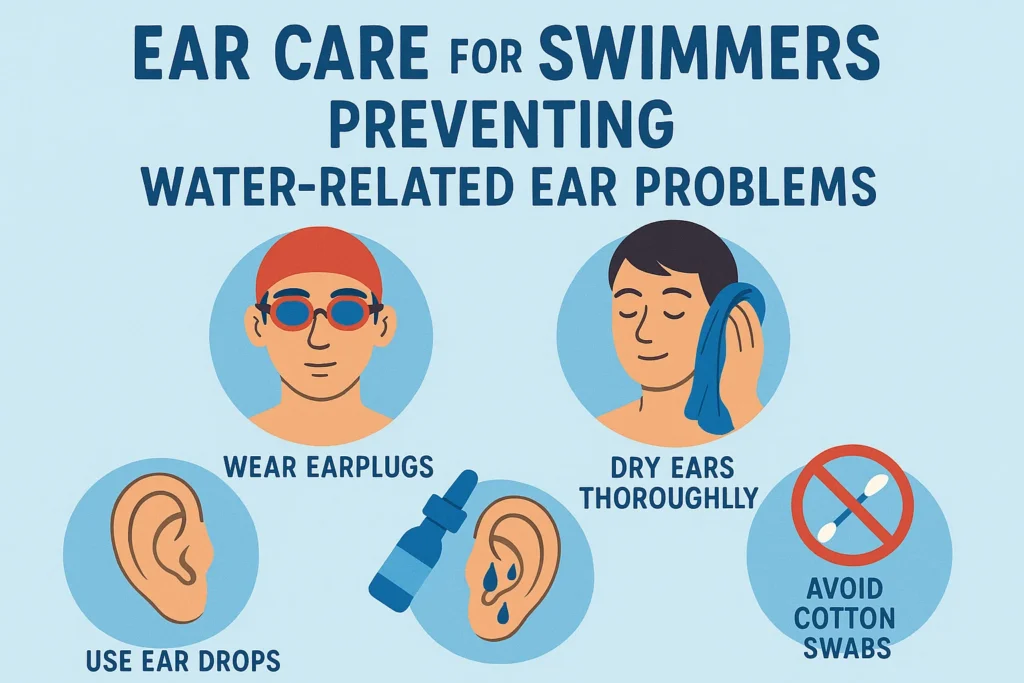
Swimming is a great way to stay active, but spending time in the pool can sometimes leave your ears feeling blocked, uncomfortable or unusually full.
You may notice muffled hearing after swimming, water trapped inside the ear or irritation around the ear canal. In some cases, swimming can contribute to a condition commonly known as swimmer’s ear.
But can swimming actually cause ear wax build-up? And what should you do if your ear feels blocked after swimming?
Can Swimming Cause Ear Wax Build-Up?
Swimming does not necessarily cause your ears to produce more ear wax. However, water entering the ear canal can sometimes affect how existing wax behaves.
If you already have a build-up of ear wax, water may become trapped behind or around the wax. This can make your ear suddenly feel more blocked and may temporarily affect your hearing.
Some people notice symptoms such as:
- Muffled hearing
- A blocked or plugged feeling
- Pressure or fullness in the ear
- Water trapped inside the ear
- Reduced hearing after swimming
- Mild discomfort
If these symptoms continue after swimming, ear wax may be one possible cause.
Why Does My Ear Feel Blocked After Swimming?
A blocked ear after swimming can happen for several reasons.
One possibility is simply that water has entered the ear canal. Another is that existing ear wax is preventing water from draining normally.
When water interacts with wax already present in the ear canal, you may notice a sudden change in hearing.
However, blocked ears are not always caused by ear wax. Changes in pressure, inflammation, infection and other ear conditions can also cause similar symptoms.
What Is Swimmer’s Ear?
Swimmer’s ear, also called otitis externa, is inflammation or infection of the outer ear canal.
It can occur when water remains in the ear canal, creating a moist environment that can encourage bacterial growth.
Symptoms can include:
- Ear pain or tenderness
- Itching inside the ear
- Redness or irritation
- A blocked sensation
- Discharge from the ear
- Reduced hearing
The condition can become uncomfortable and may require medical treatment.
If you develop significant ear pain, discharge, swelling or worsening symptoms after swimming, seek appropriate medical advice.
Can Swimming Make Ear Wax Worse?
If you already have impacted or excessive ear wax, swimming can sometimes make the symptoms more noticeable.
Water can become trapped around existing wax, potentially making the ear feel more blocked.
You may suddenly notice that sounds are quieter or muffled after leaving the pool.
This does not necessarily mean that swimming has created new ear wax. There may have already been a build-up that became more noticeable after your ears were exposed to water.
Can You Swim With Ear Wax Build-Up?
Whether you should swim with ear wax build-up depends on the circumstances.
If you know you have significant ear wax blockage, swimming may make the blocked sensation worse. If your ears are painful, inflamed or producing discharge, it is particularly important to seek professional advice rather than continuing to swim and attempting to treat the problem yourself.
If you regularly experience blocked ears after swimming, having your ears assessed can help determine whether wax is contributing to the problem.
How Can You Prevent Ear Problems When Swimming?
There are several simple steps that may help reduce problems associated with water entering the ears.
Keep Your Ears Dry
After swimming, gently dry the outside of your ears with a towel.
Avoid pushing cotton buds or other objects into the ear canal.
Consider Suitable Swimming Ear Plugs
Swimming ear plugs can help reduce the amount of water entering the ear canal.
If you regularly experience ear problems when swimming, speak to an appropriate healthcare professional about whether swimming ear plugs are suitable for you.
Don’t Put Objects Into Your Ears
Cotton buds and other objects can push ear wax deeper into the ear canal and irritate the delicate skin.
The ear generally has its own natural cleaning process, so inserting objects into the ear canal is not recommended.
Deal With Existing Ear Wax
If you regularly develop blocked ears after swimming, existing ear wax could be contributing to the problem.
Professional ear wax assessment and removal may be appropriate if excessive or impacted wax is causing symptoms.
How Do You Get Water Out of Your Ear After Swimming?
If water has entered your ear, start by gently tilting your head to the affected side and allowing gravity to help the water drain.
You can also gently pull the outer ear in different directions while tilting your head.
Avoid inserting cotton buds, fingers or other objects into the ear canal.
If your ear continues to feel blocked, particularly if you have reduced hearing, pain or other symptoms, it is worth having the ear checked rather than repeatedly trying to remove the water yourself.
When Should You Have Your Ear Checked?
A blocked ear after swimming is not necessarily serious, but persistent symptoms should not automatically be blamed on water.
Consider getting your ear assessed if you experience:
- Hearing that remains muffled
- Persistent ear blockage
- Ear pain
- Itching or irritation
- Discharge
- Recurrent problems after swimming
- A significant change in hearing
- Symptoms that are getting worse
An ear examination can help identify whether wax, inflammation, infection or another issue could be responsible.
Can Ear Wax Removal Help If Your Ear Feels Blocked After Swimming?
If excessive or impacted ear wax is responsible for the blockage, professional ear wax removal may help restore the ear canal and improve hearing.
At Cleaner Ears, ear wax can be assessed before treatment to determine whether removal is appropriate.
Microsuction ear wax removal is one professional method used to remove troublesome ear wax under direct visualisation.
If you are in Ruislip and regularly experience blocked ears after swimming, professional ear care may help identify whether ear wax is contributing to the problem.
Ear Wax Removal in Ruislip
Cleaner Ears provides professional ear care in Ruislip for people experiencing troublesome ear wax and blocked ears.
If your ears regularly feel blocked after swimming, don’t assume that water is the only cause. An assessment can help determine whether ear wax or another ear problem could be responsible.
Cleaner Ears
103 Victoria Road
Ruislip
HA4 9BN
Phone: +44 1895 677776
Email: advice@cleanerears.co.uk
Frequently Asked Questions
Can swimming cause blocked ears?
Swimming can leave water in the ear canal and may make existing ear wax blockage more noticeable. Other causes of blocked ears are also possible.
Can swimming cause ear wax?
Swimming does not normally cause your ears to produce excessive ear wax, but water can interact with existing wax and make blockage symptoms more noticeable.
Why is my hearing muffled after swimming?
Muffled hearing after swimming may be caused by water trapped in the ear, existing ear wax or another ear problem. Persistent muffled hearing should be assessed.
Can swimming cause swimmer’s ear?
Yes. Water remaining in the outer ear canal can contribute to swimmer’s ear, particularly when the ear canal remains moist or irritated.
Should I use cotton buds after swimming?
It is best to avoid putting cotton buds into the ear canal. They can irritate the ear and push wax deeper.
Can I swim after ear wax removal?
Your clinician can advise you based on your individual circumstances and the type of treatment you have received. If you have any irritation or other symptoms following treatment, ask for professional advice before returning to the pool.
Final Thoughts
Swimming can occasionally contribute to ear discomfort, blocked ears or swimmer’s ear, particularly when water becomes trapped in the ear canal.
If your ears repeatedly feel blocked after swimming, existing ear wax could be one possible explanation. Rather than putting objects into your ears to try to remove the blockage, consider having your ears professionally assessed.
For patients in Ruislip, Cleaner Ears provides professional ear wax removal and ear care.