
The Hidden Link Between Ear Health and Sleep: What You Should Know
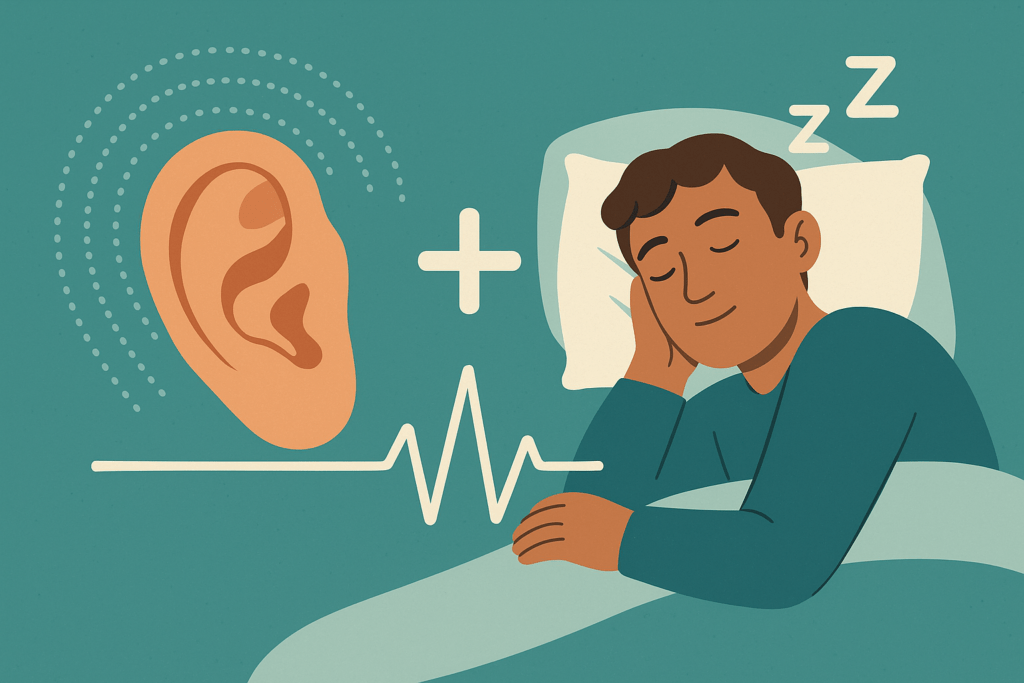
A good night’s sleep can be difficult when something doesn’t feel right with your ears.
You may notice that your ears feel blocked when you lie down, ringing becomes more noticeable at night, or discomfort makes it harder to settle. In some cases, people don’t realise that an ear-related problem could be contributing to disrupted sleep.
So, what is the connection between ear health and sleep, and when should you have your ears checked?
Can Ear Problems Affect Your Sleep?
Yes. Certain ear symptoms can make it more difficult to fall asleep or stay asleep comfortably.
Problems such as:
- Earache or discomfort
- Blocked ears
- Ear pressure or fullness
- Tinnitus
- Itching or irritation
- Muffled hearing
- Ear infections
- Excessive or impacted ear wax
can become particularly noticeable when you’re trying to sleep.
During the day, conversations, television, traffic and other sounds can provide distractions. At night, when your surroundings become quiet, symptoms such as tinnitus or ear pressure may seem much more noticeable.
Why Do My Ears Feel Worse at Night?
Some people notice that their ears feel more blocked or uncomfortable when they lie down.
There can be several possible explanations.
If you already have ear wax build-up, changes in how you perceive pressure or hearing when lying down may make the blockage more noticeable.
Nasal congestion and allergies can also affect the Eustachian tubes, which help regulate pressure between the middle ear and the back of the nose.
This can result in sensations such as:
- Ear pressure
- Popping
- Fullness
- Muffled hearing
If the problem happens regularly, an assessment can help identify the underlying cause.
The Connection Between Tinnitus and Sleep
Tinnitus is the perception of sound without an external sound source.
Some people describe it as ringing, buzzing, humming, hissing or other sounds.
Tinnitus can be particularly noticeable at bedtime because the environment is quieter.
This can create a frustrating cycle: you notice the sound when trying to sleep, become more focused on it, and then find it harder to relax.
Tinnitus has many possible causes, so persistent or troublesome tinnitus should be discussed with an appropriate healthcare professional.
Can Ear Wax Affect Sleep?
Excessive or impacted ear wax can cause symptoms including blocked ears, muffled hearing, ear discomfort and sometimes tinnitus.
If your ear feels blocked when you go to bed, ear wax may be one possible cause.
However, not every blocked ear is caused by wax.
Other conditions affecting the ear, sinuses or Eustachian tubes can produce similar symptoms.
If you suspect ear wax is causing your symptoms, professional assessment can determine whether wax is actually present and whether removal is appropriate.
Why Is Tinnitus Louder at Night?
Tinnitus doesn’t necessarily become physically louder at night.
Instead, it may become more noticeable because there are fewer environmental sounds competing for your attention.
During the day, conversations, traffic, appliances and other background noise can partially mask the perception of tinnitus.
At bedtime, the quieter environment can make the sound easier to notice.
Some people find that gentle background sound, such as quiet music or a fan, makes tinnitus less noticeable at night. If tinnitus is persistent or significantly affecting your sleep, speak to a healthcare professional for appropriate advice.
Can Hearing Loss Affect Sleep?
Hearing loss and sleep can be connected in several ways, although the relationship is not the same for everyone.
Someone who has difficulty hearing conversations during the day may experience increased effort when trying to follow speech and communicate.
Hearing difficulties can also affect social interaction and everyday activities.
If you regularly find yourself asking people to repeat themselves, increasing the television volume or struggling to follow conversations in noisy environments, a hearing test can help establish whether hearing loss is present.
Can Poor Sleep Affect Your Ears?
The relationship can work in both directions.
Poor sleep may make some symptoms feel more difficult to manage, particularly when you are already experiencing tinnitus or discomfort.
Stress and tiredness can also influence how strongly some people notice symptoms.
However, persistent ear symptoms should not simply be attributed to lack of sleep. If something has changed with your hearing or ears, it is worth considering an appropriate ear or hearing assessment.
Why Do My Ears Feel Blocked When I Wake Up?
Waking up with a blocked ear can have several possible causes.
These may include:
- Ear wax build-up
- Nasal congestion
- Allergies
- Eustachian tube dysfunction
- Ear infections
- Changes in pressure
- Other conditions affecting the ear
If the blockage disappears quickly and does not return, it may not indicate a serious problem.
However, persistent or recurring blockage should be assessed, particularly if it is accompanied by hearing loss, pain, discharge or other symptoms.
What Can You Do to Protect Your Ear Health?
Looking after your ears doesn’t mean constantly cleaning them.
Ear wax is a natural substance that helps protect the ear canal. Putting cotton buds or other objects into your ears can push wax deeper and irritate the skin.
Instead:
Avoid putting objects inside your ears
Cotton buds should not be used to dig out ear wax.
Protect your ears from excessive noise
Regular exposure to loud sounds can contribute to hearing damage. Use appropriate hearing protection when necessary.
Have persistent symptoms checked
Don’t assume that recurring ear blockage, tinnitus or hearing changes are simply caused by wax.
Consider a hearing test
If you are regularly struggling to hear conversations or notice changes in your hearing, a hearing assessment can help identify potential hearing difficulties.
When Should You Seek Professional Advice?
You should consider having your ears checked if you regularly experience:
- Blocked ears
- Muffled hearing
- Persistent tinnitus
- Ear pressure
- Earache
- Recurring ear wax build-up
- Hearing difficulties
- Discharge from the ear
- Symptoms that are getting worse
Sudden hearing loss, particularly in one ear, should be treated as something that requires prompt medical assessment rather than being assumed to be ear wax.
Ear Health and Better Sleep
Your ears and sleep may be more closely connected than you realise.
A blocked ear, tinnitus, ear discomfort or hearing difficulty can become particularly noticeable at night, when the environment is quiet and there are fewer distractions.
If you regularly notice ear symptoms when trying to sleep, identifying the underlying cause is more useful than simply treating the symptom.
For people in Ruislip experiencing troublesome ear wax or blocked ears, professional ear assessment can help determine whether ear wax is contributing to the problem.
Professional Ear Care in Ruislip
Cleaner Ears provides professional ear wax removal and hearing care in Ruislip.
If you regularly experience blocked ears, muffled hearing or other ear symptoms that interfere with your comfort at night, an assessment can help determine whether ear wax may be involved.
Cleaner Ears
103 Victoria Road
Ruislip
HA4 9BN
Phone: +44 1895 677776
Email: advice@cleanerears.co.uk
Frequently Asked Questions
Can ear problems affect sleep?
Yes. Symptoms such as earache, tinnitus, blocked ears and ear pressure can make it more difficult for some people to fall asleep or stay comfortable during the night.
Why do my ears feel blocked at night?
Possible causes include ear wax, congestion, allergies, Eustachian tube problems and other ear conditions. Persistent symptoms should be assessed rather than automatically attributed to wax.
Can ear wax cause problems sleeping?
Impacted ear wax can cause blockage, muffled hearing, discomfort and sometimes tinnitus, which may become more noticeable at night.
Why is tinnitus worse at night?
Tinnitus may seem louder at night because the environment is quieter, making internal sounds easier to notice.
Should I clean my ears before bed?
There is generally no need to routinely clean inside your ears. Avoid inserting cotton buds or other objects into the ear canal.
Can hearing aids help with sleep?
Hearing aids are designed to improve hearing during waking activities and are generally not intended to be worn while sleeping unless specifically advised by a hearing professional.
Final Thoughts
Ear health can affect how comfortable you feel at night, particularly if you’re experiencing blocked ears, tinnitus, ear pressure or hearing difficulties.
If these symptoms are recurring, don’t automatically assume that ear wax is the cause. A professional assessment can help identify what may be contributing to the problem and whether ear wax removal or another form of care is appropriate.