
Common Myths About Modern Hearing Aids, Debunked
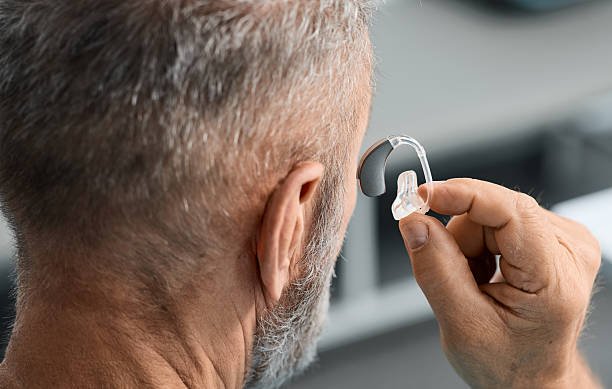
Ask ten people what they think a hearing aid looks like, and most will describe something from twenty years ago. Big. Beige. Whistling in church. The trouble is, that picture is stopping a lot of people from getting help they’d genuinely benefit from — on average, people wait around ten years after first noticing hearing loss before doing anything about it.
So let’s clear a few things up. Myth by myth.
“Hearing aids are only for old people”
Are they, though? Roughly one in three adults in the UK lives with some degree of hearing loss or tinnitus, and it creeps in far earlier than most people expect — noise exposure, ear infections, genetics and even certain medications can all play a part long before retirement age. We regularly fit people in their 40s and 50s who simply assumed their hearing was fine because nobody had told them otherwise. Age is a factor. It’s not the whole story.
“They’ll make me look old, or disabled”
This one’s stubborn, and it’s probably the single biggest reason people put off getting help. The reality is that most modern hearing aids are receiver-in-canal devices — small enough to sit almost entirely hidden behind the ear, in skin-tone or matte finishes that most people won’t notice unless they’re looking for them. Compare that to the alternative: straining, nodding along, and quietly withdrawing from conversations you can’t quite follow. Which one actually looks worse?
“Hearing aids just make everything louder”
That was fair criticism of hearing aids from decades ago. It isn’t anymore. Modern devices don’t simply turn up the volume on everything — they process sound, distinguishing speech from background noise and amplifying the parts you actually want to hear. The best ones use AI-driven chips trained on millions of real-world sound samples to separate a voice from a noisy room in real time. Loud and clear are two very different things, and today’s technology is built around the second one.
“I’ll get used to my hearing loss eventually”
You won’t — not in the way that helps. Hearing loss doesn’t just affect your ears; your brain gradually gets less practice processing speech, which can make adjusting to hearing aids harder the longer you wait. There’s also a well-documented link between untreated hearing loss and cognitive decline — research published by the Lancet Commission found that even mild untreated hearing loss roughly doubles dementia risk, rising further with moderate and severe loss. “Getting used to it” isn’t a neutral choice. It has a cost.
“A hearing test will tell me I need £3,000 hearing aids I can’t afford”
A proper hearing test tells you what your hearing profile actually is — nothing more. What you do with that information is entirely up to you. There’s a genuinely wide range of options once you know where you stand: NHS provision is free, entry-level private hearing aids start well under £1,000 for a pair, and subscription models exist specifically so you’re not handed one enormous bill on day one. The test isn’t a sales pitch. It’s the starting point for a decision you get to make.
“Hearing aids are uncomfortable and I’ll always know they’re there”
Some early adjustment is normal — your brain needs a short period to get used to hearing sounds it’s been missing, often for years. But “uncomfortable” as a permanent state is usually a sign of a poor fit, not an inevitable feature of wearing hearing aids. This is exactly why proper fitting matters so much: Real Ear Measurement, done by a qualified audiologist, verifies that your hearing aids are calibrated to your specific ear canal, not just to a generic setting. Discomfort that doesn’t settle after the initial adjustment period is worth going back to your audiologist about — it’s fixable.
“Once I have hearing aids, that’s it — no more appointments”
If anything, this is backwards. Hearing changes over time, and hearing aids benefit from periodic fine-tuning as your environment, your ears, and even the wax in your ear canal change. Ongoing check-ups — not a one-off sale — are what make hearing aids actually work well for years, rather than gradually feeling less effective until they end up in a drawer.
The Bottom Line
Most hearing aid myths trace back to devices from ten or twenty years ago. The technology, the size, the sound quality and the process of getting fitted have all moved on considerably — and the only way to know what’s actually right for you is a proper assessment, not an assumption based on how things used to be.
If any of this sounds familiar, a free hearing check at Hear Clear Pro in Ruislip is a no-obligation way to find out where you actually stand.