
Can Ear Wax Cause Dizziness or Balance Problems?
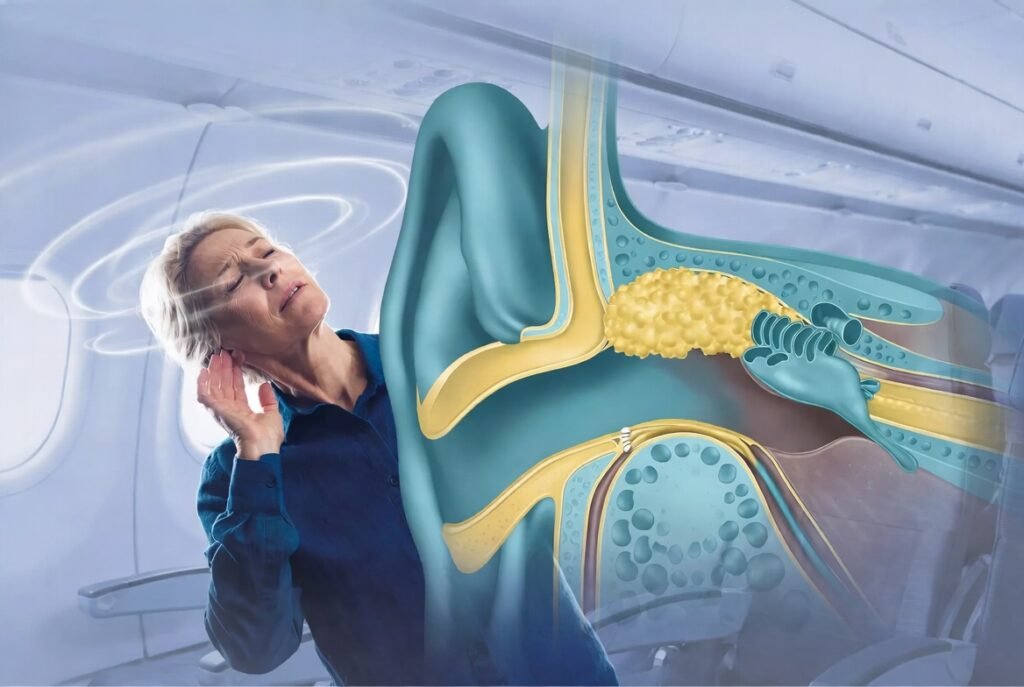
Many people are surprised to discover that ear wax can sometimes affect more than just hearing. While most people associate ear wax build-up with muffled hearing or blocked ears, impacted ear wax may also contribute to dizziness, balance issues, feelings of pressure, and even vertigo-like symptoms in some cases.
If you have recently experienced dizziness together with blocked ears, ringing in the ears, pressure, or hearing changes, ear wax could be part of the problem. The ears play a major role in maintaining balance, and when something interferes with the ear canal or hearing system, it can sometimes affect how stable you feel.
In this article, we’ll explain:
- How the ears help control balance
- Whether ear wax can cause dizziness
- The connection between blocked ears and vertigo
- Symptoms of impacted ear wax
- When to seek professional help
- The safest ear wax removal methods
Understanding the Ear’s Role in Balance
To understand why ear wax may sometimes cause dizziness, it helps to first understand how the ear works.
The ear is divided into three main sections:
- The outer ear
- The middle ear
- The inner ear
The inner ear contains structures responsible for both hearing and balance. Tiny fluid-filled canals inside the inner ear help your brain understand your body’s position and movement. These balance systems constantly send signals to your brain to help you stay upright and coordinated.
When the ears become blocked or pressure changes occur, it can sometimes interfere with how these signals are processed. This may lead to symptoms such as:
- Light-headedness
- Feeling off-balance
- Dizziness
- Vertigo
- Spatial disorientation
Although severe dizziness is not always caused by ear wax, impacted wax can contribute to balance disturbances in certain people.
What Is Impacted Ear Wax?
Ear wax, also known as cerumen, is a natural substance produced by glands inside the ear canal. Its purpose is to:
- Protect the ears from dust and debris
- Trap bacteria and particles
- Lubricate the ear canal
- Prevent irritation and dryness
Normally, ear wax slowly moves out of the ears naturally. However, some people produce excess wax, while others experience wax that becomes hard and compacted.
When ear wax builds up and blocks the ear canal, it is known as impacted ear wax.
Impacted ear wax can lead to several symptoms, including:
- Blocked ears
- Muffled hearing
- Ear discomfort
- Ringing in the ears
- Pressure sensations
- Dizziness or imbalance
Can Ear Wax Really Cause Dizziness?
Yes — in some cases, impacted ear wax may contribute to dizziness or balance problems.
When a blockage becomes severe, it can place pressure on sensitive parts of the ear canal or affect how sound and balance information are processed. Some people describe this sensation as:
- Feeling unsteady
- Feeling like the room is spinning
- Light-headedness
- Feeling “off”
- Sudden imbalance when standing up
This is particularly common when one ear is more blocked than the other, which may create uneven hearing and pressure sensations.
Although ear wax is not always the direct cause of vertigo, removing the blockage often improves symptoms for many patients.
The Connection Between Blocked Ears and Vertigo
Vertigo is a specific type of dizziness where it feels as though you or your surroundings are spinning or moving.
Blocked ears can sometimes contribute to vertigo because the balance organs inside the ear are highly sensitive to pressure changes and disturbances.
When impacted wax creates pressure or affects hearing input, the brain may receive mixed signals from the ears and eyes. This mismatch can sometimes trigger:
- Spinning sensations
- Motion sensitivity
- Nausea
- Difficulty focusing
- Balance problems
Some patients notice that their dizziness worsens when:
- Turning their head quickly
- Standing up suddenly
- Walking
- Lying down
- Exercising
It is important to remember that vertigo can also have many other medical causes, including inner ear infections and vestibular disorders. However, impacted ear wax is one possible and often overlooked factor.
Symptoms That May Suggest Ear Wax Is Affecting Balance
Not all dizziness is caused by ear wax. However, certain symptoms may suggest that impacted wax is contributing to the problem.
Signs may include:
1. Blocked Ear Sensation
Many people feel fullness or pressure inside the ear before dizziness begins.
2. Muffled Hearing
Hearing changes alongside dizziness can point toward ear blockage.
3. Ringing in the Ears (Tinnitus)
Some patients experience buzzing or ringing sounds together with balance problems.
4. Feeling Unsteady
You may feel slightly off-balance when walking or standing.
5. Symptoms in One Ear
If dizziness occurs mainly alongside blockage in one ear, impacted wax may be involved.
6. Symptoms Improve After Cleaning
Many patients notice improvement after professional ear wax removal.
Why Some People Are More Likely to Experience Ear Wax Dizziness
Not everyone with blocked ears becomes dizzy. Certain people are more sensitive to ear pressure and hearing changes than others.
Factors that may increase the risk include:
- Naturally narrow ear canals
- Heavy ear wax production
- Use of hearing aids
- Frequent earbud use
- Previous ear conditions
- Sensitive balance systems
- Older age
People with existing inner ear problems may also notice stronger symptoms when wax build-up occurs.
Can Ear Wax Cause Severe Vertigo?
In some cases, severe wax blockage may trigger significant dizziness or vertigo-like symptoms. However, severe or ongoing vertigo should never automatically be blamed on ear wax alone.
If dizziness is intense, persistent, or associated with symptoms such as:
- Double vision
- Severe headache
- Chest pain
- Weakness
- Slurred speech
- Fainting
You should seek urgent medical attention immediately.
Professional assessment is important because dizziness can sometimes indicate more serious medical conditions unrelated to ear wax.
How Ear Wax Removal May Help Dizziness
If impacted ear wax is contributing to dizziness or balance problems, removing the blockage may help restore normal hearing and pressure balance inside the ears.
Many patients report improvement in:
- Hearing clarity
- Ear pressure
- Balance
- Light-headedness
- General comfort
However, it is important that ear wax removal is performed safely and professionally.
The Safest Ear Wax Removal Methods
Modern ear wax removal clinics typically recommend microsuction as one of the safest and most effective methods available.
Microsuction Ear Wax Removal
Microsuction involves using:
- A gentle medical suction device
- Magnification equipment
- Careful visual guidance
The procedure allows clinicians to safely remove wax without pushing it deeper into the ear.
Benefits of microsuction include:
- Quick treatment
- Minimal discomfort
- No water irrigation
- Suitable for sensitive ears
- Reduced infection risk
- Immediate results in many cases
Many clinics now prefer microsuction over traditional syringing because it provides greater precision and safety.
Why Cotton Buds Can Make Dizziness Worse
Many people attempt to clean their ears at home using cotton buds. Unfortunately, this often pushes wax deeper into the ear canal.
This can lead to:
- Worse blockages
- Increased pressure
- More hearing loss
- Irritation
- Greater dizziness symptoms
Cotton buds may also damage the delicate ear canal or eardrum.
For this reason, most ear care professionals advise against inserting objects into the ears.
Other Causes of Dizziness That May Mimic Ear Wax Problems
Although ear wax can contribute to dizziness, there are many other possible causes of balance problems.
These include:
- Inner ear infections
- Labyrinthitis
- Vestibular neuritis
- Ménière’s disease
- Low blood pressure
- Dehydration
- Anxiety
- Migraine disorders
- Medication side effects
This is why proper assessment is important, especially if symptoms continue after ear wax removal.
When Should You Seek Professional Help?
You should consider professional ear assessment if you experience:
- Persistent blocked ears
- Sudden hearing loss
- Ear pressure
- Ringing in the ears
- Dizziness with ear symptoms
- Balance problems
- Wax build-up that won’t clear naturally
Professional ear examination can determine whether impacted wax is present and whether removal may help.
Can Ear Wax Cause Nausea?
In some cases, yes.
When dizziness or vertigo becomes strong enough, it may also trigger:
- Nausea
- Motion sickness feelings
- Unsteadiness
- Difficulty concentrating
This happens because the brain receives conflicting balance signals from the ears and eyes.
Removing the blockage may relieve these symptoms if ear wax is the underlying cause.
How Long Does Ear Wax Dizziness Last?
The duration depends on:
- How severe the blockage is
- Whether pressure is involved
- Individual sensitivity
- Underlying ear health
Some people feel immediate relief after wax removal, while others may take time for balance sensations to fully settle.
If dizziness continues after treatment, further medical assessment may be needed.
Preventing Future Ear Wax Build-Up
While ear wax is natural and healthy, there are ways to reduce the chances of severe build-up.
Avoid Cotton Buds
Never insert objects into the ears.
Limit Excessive Earbud Use
Constant earbud use may contribute to wax compaction.
Use Ear Drops Carefully
Professional advice may help determine suitable wax-softening drops.
Attend Regular Ear Check-Ups
People prone to wax build-up may benefit from periodic professional cleaning.
Seek Early Treatment
Treating wax early may prevent severe blockage and dizziness symptoms.
Ear Wax Removal and Hearing Improvement
Many patients do not realise how much ear wax has affected their hearing until it is removed.
Benefits after professional cleaning may include:
- Clearer hearing
- Reduced pressure
- Less ringing
- Better balance
- Improved comfort
- Easier communication
Some people also notice reduced fatigue because straining to hear can be mentally exhausting.
Is Microsuction Safe for People With Dizziness?
Yes — microsuction is generally considered very safe when performed by trained professionals.
Because the procedure avoids flushing water into the ear, it may actually be preferable for people sensitive to dizziness or vertigo.
However, some patients may briefly feel mild dizziness during the procedure itself due to stimulation of the ear canal. This usually settles quickly.
Frequently Asked Questions
Can blocked ears make you dizzy?
Yes. Severe ear wax blockages may contribute to dizziness, imbalance, or light-headedness in some people.
Can ear wax cause vertigo?
Impacted wax can sometimes trigger vertigo-like symptoms, especially if pressure or hearing imbalance is involved.
Will removing ear wax stop dizziness?
If ear wax is the cause, professional removal may improve symptoms significantly.
Is dizziness after ear cleaning normal?
Some people may briefly feel light-headed after ear cleaning, but this usually passes quickly.
Can ear wax affect balance?
Yes. Because the ears play an important role in balance, severe blockages may affect stability in certain individuals.
Should I use cotton buds to remove ear wax?
No. Cotton buds often push wax deeper and increase blockage risk.
Ear wax is a normal and important part of ear health, but excessive or impacted wax can sometimes lead to more than just blocked hearing. In some people, ear wax build-up may contribute to dizziness, imbalance, pressure sensations, and vertigo-like symptoms.
Because the ears play such a critical role in balance, even small disruptions can sometimes affect how stable you feel. Fortunately, professional ear wax removal can often relieve symptoms quickly and safely.
If you are experiencing dizziness alongside blocked ears, muffled hearing, or pressure, it may be worth having your ears professionally checked for impacted wax.
Modern microsuction ear wax removal offers a safe, precise, and effective solution for many patients struggling with blocked ears and related symptoms.