
Microsuction Ear Wax Removal Explained
What Is Microsuction Ear Wax Removal?
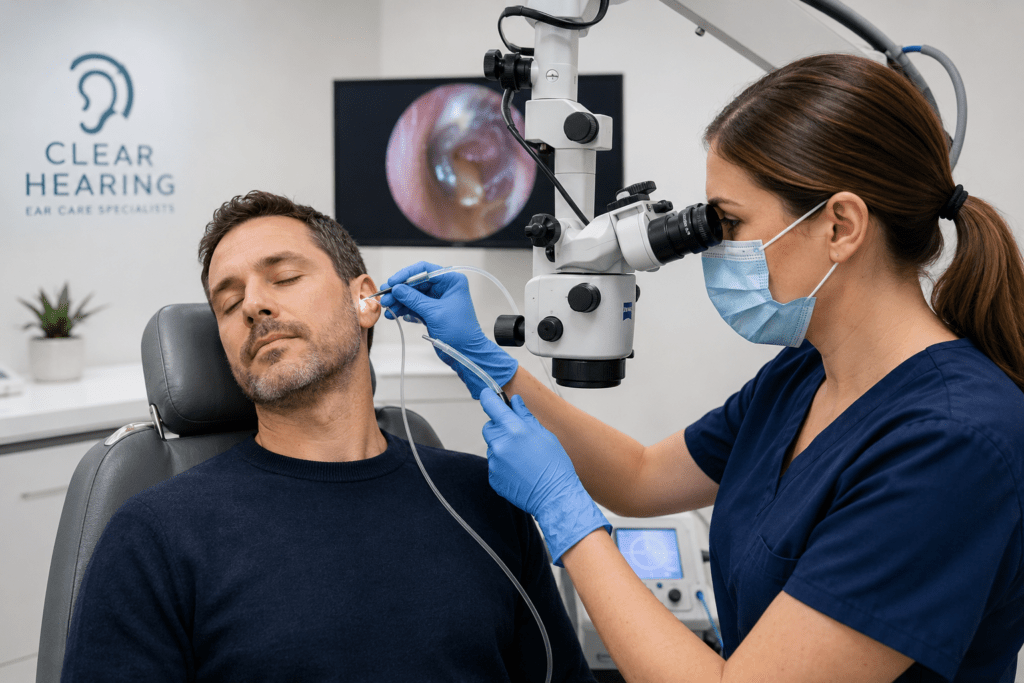
Microsuction ear wax removal is one of the most advanced and effective methods used to safely remove excess ear wax from the ear canal. The procedure is performed by trained professionals using a specialized medical suction device together with magnifying equipment or a microscope that allows the clinician to clearly see inside the ear during treatment. Unlike traditional ear syringing, microsuction does not use water to flush out wax. Instead, gentle suction is used to carefully remove the blockage while maintaining complete visual control throughout the procedure.
Over the years, microsuction has become increasingly popular because it is considered cleaner, safer, and more comfortable for many patients. It is commonly used in private clinics, audiology centres, and ear care practices to treat blocked ears caused by impacted wax. Many hearing specialists now recommend microsuction as the preferred method of ear wax removal due to its accuracy and lower risk of complications.
Why Ear Wax Is Important
Many people assume ear wax is something dirty that should always be removed, but ear wax actually serves several important protective functions. Ear wax, medically known as cerumen, is naturally produced by glands inside the ear canal. It helps protect the ears from dust, dirt, bacteria, and other harmful particles that could potentially damage the ear or cause infection.
Ear wax also helps keep the skin inside the ear canal moisturized and prevents dryness or irritation. In healthy ears, wax naturally moves outward over time and usually falls out on its own without causing any problems. However, some individuals produce too much wax or experience difficulty with the natural cleaning process, which can eventually lead to blockages and discomfort.
What Causes Ear Wax Build-Up?
There are several reasons why ear wax can build up excessively and become impacted. One of the most common causes is the use of cotton buds. Many people attempt to clean their ears using cotton swabs, but this often pushes wax deeper into the ear canal instead of removing it. Over time, the wax becomes compacted and harder to remove naturally.
The regular use of hearing aids or earphones can also contribute to wax buildup because these devices may block the natural movement of wax out of the ear. Some individuals naturally have narrow or curved ear canals, making it more difficult for wax to exit properly. In older adults, ear wax can become drier and harder, increasing the likelihood of blockage.
Certain skin conditions and excessive hair inside the ear canal may also increase the risk of wax accumulation. In many cases, people are simply genetically predisposed to producing larger amounts of ear wax than others.
Common Symptoms of Impacted Ear Wax
Impacted ear wax can cause a variety of uncomfortable symptoms that may affect hearing and overall comfort. One of the most noticeable symptoms is reduced or muffled hearing. Many people describe the sensation as feeling like the ear is blocked or underwater. This occurs because the wax prevents sound waves from travelling effectively to the eardrum.
Other common symptoms include earache, itching inside the ear, dizziness, ringing in the ears known as tinnitus, and a feeling of fullness or pressure in the ear canal. Some people may also experience discomfort while wearing hearing aids because wax interferes with the device.
In severe cases, impacted ear wax may cause temporary hearing loss until the blockage is professionally removed. Because these symptoms can sometimes resemble other ear conditions, professional assessment is often recommended.
How Microsuction Ear Wax Removal Works
Microsuction ear wax removal is a straightforward procedure that is usually completed within a short appointment. The process begins with an examination of the ear canal using a microscope or magnifying device. This allows the clinician to inspect the wax blockage and assess the condition of the ear.
Once the ear has been examined, a small sterile suction tube is carefully guided into the ear canal. The suction device gently removes the wax while the clinician monitors the process with magnified vision. Because the ear is clearly visible throughout the procedure, microsuction allows for precise and controlled wax removal.
After the wax has been removed, the clinician will inspect the ear again to ensure the canal is fully clear and healthy. Many patients experience immediate improvement in hearing and comfort following treatment.
Is Microsuction Safe?
Microsuction is widely considered one of the safest forms of professional ear wax removal when performed by a trained practitioner. The use of direct visual guidance significantly reduces the risk of accidental injury because the clinician can see exactly where the suction device is positioned at all times.
Unlike ear syringing, microsuction does not involve introducing water into the ear canal. This makes it suitable for individuals who may not be able to undergo irrigation procedures, including people with perforated eardrums, previous ear surgery, recurring ear infections, or sensitive ears.
The procedure is commonly used in modern ear care clinics because of its high success rate and reduced likelihood of complications.
Does Microsuction Hurt?
Most people find microsuction to be comfortable and relatively painless. However, individual experiences can vary depending on factors such as the amount of wax present, the hardness of the blockage, and the sensitivity of the ear canal.
During the procedure, patients may hear suction noises or experience mild sensations as the wax is removed. If the wax is deeply impacted or very hard, slight discomfort may occur temporarily. In many cases, clinicians recommend using olive oil ear drops before treatment to soften the wax and improve comfort during removal.
Severe pain during microsuction is uncommon, and the procedure is generally well tolerated by most patients.
Microsuction Compared to Ear Syringing
Microsuction and ear syringing are both methods used to remove ear wax, but there are significant differences between the two procedures. Ear syringing, also known as ear irrigation, uses water pressure to flush wax out of the ear canal. Although it has been used for many years, it may not be suitable for all patients and can sometimes cause dizziness or discomfort.
Microsuction, on the other hand, uses gentle suction rather than water. Because the clinician can clearly see inside the ear throughout the procedure, microsuction offers greater precision and control. This reduces the risk of complications and makes it a preferred choice for many ear care professionals.
As a result, many clinics now recommend microsuction as the primary treatment for ear wax removal.
Who May Benefit From Microsuction?
Microsuction can help a wide range of individuals experiencing blocked ears or excessive wax buildup. People who wear hearing aids often benefit from regular ear wax removal because hearing devices can contribute to wax accumulation. Individuals with naturally narrow ear canals may also require professional cleaning more frequently.
Older adults are another group that commonly benefits from microsuction because ear wax tends to become harder and drier with age. People experiencing temporary hearing reduction, tinnitus, or recurring blocked ears may also find relief through professional wax removal.
Because each patient’s ears are different, a professional assessment is important to determine whether microsuction is the most appropriate treatment option.
How Long Does Microsuction Take?
Microsuction appointments are usually quick and efficient. In most cases, the procedure takes between 15 and 30 minutes depending on the severity of the wax blockage and whether one or both ears require treatment.
Simple cases involving soft wax may be completed very quickly, while heavily impacted wax may require additional time or multiple appointments. Despite this, many patients notice immediate relief once the wax has been removed.
Improved hearing, reduced pressure, and increased comfort are commonly experienced shortly after treatment.
Should You Use Ear Drops Before Treatment?
Some clinics recommend using olive oil ear drops for several days before a microsuction appointment. Softening the wax beforehand can make removal easier and more comfortable, especially when the wax is dry or heavily impacted.
However, not everyone requires pre-treatment drops. In some cases, the clinician may prefer to assess the ears first before recommending any preparation. Patients should always follow professional guidance regarding the use of ear drops prior to treatment.
It is also important not to overuse ear drops unnecessarily, as excessive moisture inside the ear may occasionally lead to irritation.
Can Ear Wax Affect Hearing?
Yes, excessive ear wax can significantly affect hearing. When wax blocks the ear canal, sound cannot travel efficiently to the eardrum, resulting in muffled or reduced hearing.
Many people are surprised at how dramatically their hearing improves once impacted wax has been removed. In some situations, individuals may mistakenly believe they have permanent hearing loss when the issue is actually caused by wax buildup.
Professional ear wax removal can often restore normal hearing quickly if wax is the primary cause of the blockage.
Why You Should Avoid Cleaning Your Ears Yourself
Many people attempt to clean their ears at home using cotton buds or other objects, but this can often make the problem worse. Instead of removing wax, cotton buds usually push the wax deeper into the ear canal where it becomes compacted.
Inserting sharp or inappropriate objects into the ears can also damage the delicate skin inside the ear canal or even injure the eardrum. Ear candles and certain home remedies are also discouraged because they may cause burns or other complications.
Professional ear wax removal is generally much safer than attempting to remove deeply impacted wax yourself.
Final Thoughts on Microsuction Ear Wax Removal
Microsuction ear wax removal is a modern, safe, and highly effective treatment for blocked ears caused by excessive wax buildup. The procedure allows trained professionals to remove wax with precision using gentle suction and direct visual guidance, making it one of the preferred methods of ear cleaning available today.
For people experiencing muffled hearing, ear discomfort, ringing in the ears, or recurring wax buildup, microsuction can provide fast and effective relief. Because the treatment avoids the use of water and offers greater accuracy than traditional syringing, it is suitable for many patients with sensitive or complex ear conditions.
Maintaining healthy ears is an important part of overall wellbeing and hearing care. If symptoms of impacted ear wax continue or worsen, seeking professional assessment and treatment is often the safest and most effective solution.