
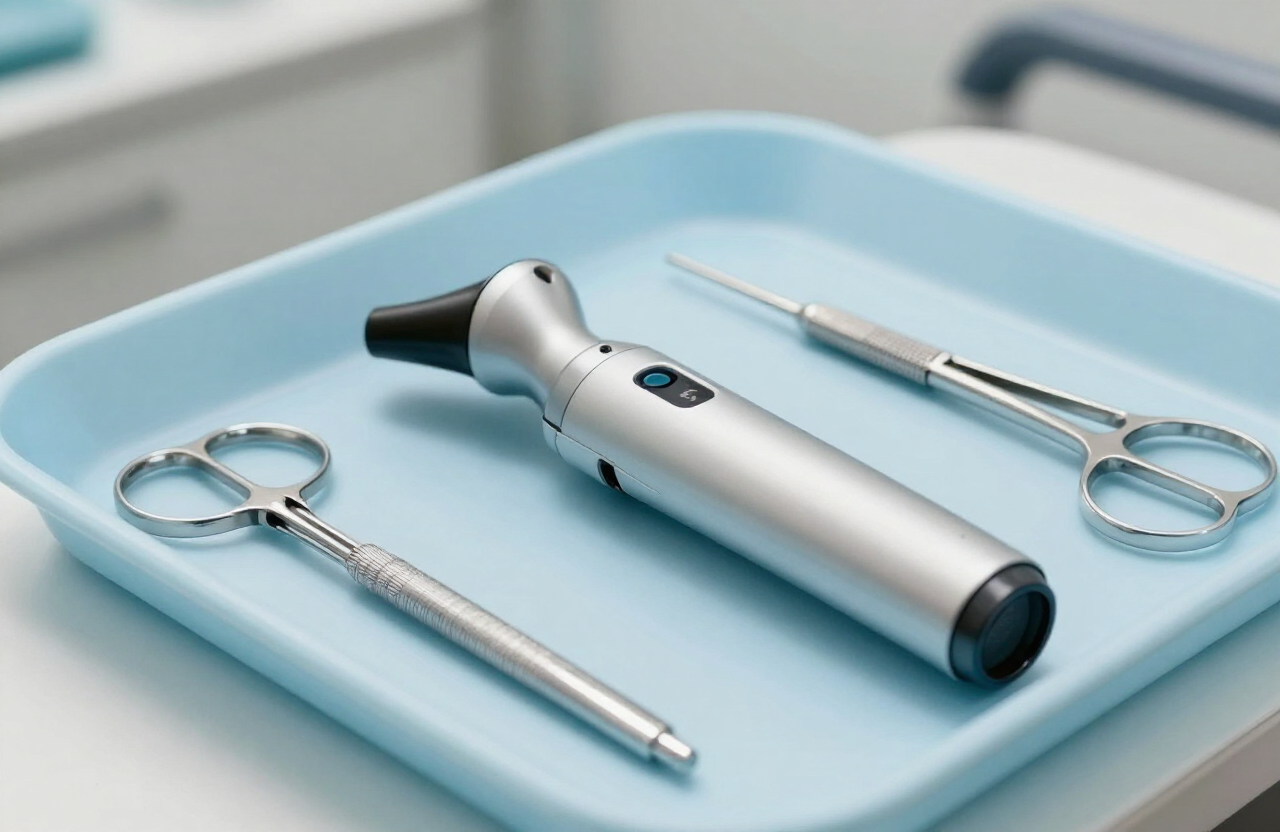
What microsuction actually is
Microsuction is a method of removing ear wax using a gentle suction device while the practitioner views your ear canal under magnification. A small, specially designed probe is introduced into the ear canal, and a low-pressure suction line draws the wax out. Because the practitioner can see what they are doing throughout, wax can be cleared precisely and without the need to flush water into the ear. It has become one of the most widely used professional methods in the UK, offered in NHS clinics, audiology services and private ear care practices alike. The word “micro” refers to the magnified view rather than the size of the equipment, and “suction” describes the mechanism. Understanding what the procedure involves before you arrive can make the whole experience feel far more manageable, particularly if you have never had your ears examined professionally before. Many people feel more relaxed simply knowing what to expect, which is why a clear, honest explanation matters as much as the treatment itself.
Why microsuction is often preferred
Ear syringing, more accurately called irrigation, flushes the ear with a controlled flow of water to wash wax out. Microsuction takes a different approach: it removes wax directly under vision, without introducing water. For many people this is the key advantage. Water in the ear canal can be uncomfortable, can leave moisture behind, and is generally avoided where someone has a perforated eardrum, certain infections or previous ear surgery. Because microsuction does not rely on water, it can be suitable in circumstances where irrigation is not. It also tends to be quicker when the wax is accessible and the canal is clearly visible, and it can reach wax that irrigation might struggle to shift. None of this makes microsuction automatically “better” for every person or every ear — suitability always depends on what an examination shows and on your medical history. What it does mean is that microsuction is a versatile, well-established option that a qualified practitioner can consider alongside others, choosing it when it genuinely fits the ear in front of them.
Before you arrive: preparation
Preparation can make a real difference to how smoothly microsuction goes. Soft, well-hydrated wax is usually easier and more comfortable to remove than hard, dry wax, so many clinics advise using softening drops for a few days beforehand. Common options include olive oil drops or pharmacy ear drops, used as directed. However, drops are not suitable for everyone — if you have a perforated eardrum, an active ear infection, recent ear surgery or any other existing ear condition, do not use them unless a clinician has specifically advised it. Always check with the clinic before starting any preparation. When you book, tell the team about your full ear history, any medications you take, hearing aids you wear, and whether you have had ear problems in the past. This information helps your practitioner plan safely and choose the right approach. On the day, come with questions if you have them — a good appointment leaves space for conversation, not just treatment, and there is no such thing as a silly question when it concerns your ears.
What happens during the appointment
A microsuction appointment should never feel rushed. It usually begins with a conversation: your practitioner asks about your symptoms, your ear health history and what you hope to get from the visit. Next comes an examination using an otoscope — a handheld instrument with a light and magnifier — so the practitioner can see the ear canal and eardrum clearly. Only after this examination will they discuss whether removal is appropriate and, if so, which method suits your ears. If microsuction goes ahead, you will be seated comfortably and asked to keep reasonably still. The practitioner uses a microscope or head-mounted magnifier to view the canal while introducing the fine suction probe. You will hear some noise from the suction and may feel a sensation of suction or mild tickling. Most people find it tolerable rather than painful. You can ask for a pause or to stop at any point — you remain in control throughout, and a considerate practitioner will check in with you as they go.
How it feels and what to expect afterwards
Sensations during microsuction vary. The most common descriptions are a feeling of suction, a ticking or rushing noise, and occasionally a brief sense of fullness as wax is drawn away. Some people find the noise a little startling at first, particularly if their hearing is sensitive. If anything is uncomfortable, tell your practitioner immediately — they can adjust their approach or pause. Afterwards, your hearing may feel clearer straight away, though some people notice a brief period of slight fullness or mild sensitivity as the ear settles. It is normal for sounds to seem a little louder than usual for a short time once a blockage has been cleared, because your brain has grown accustomed to the muffled input. Your practitioner should explain what to expect over the following hours and days, and which symptoms would warrant further advice. If hearing remains reduced after the wax has gone, a separate hearing assessment may be suggested, because reduced hearing has causes beyond wax and clearing the canal does not always resolve it.
Safety considerations
Microsuction is generally considered a safe procedure when carried out by a trained, qualified practitioner who works under direct vision. As with any procedure, it is not entirely risk-free. Possible, though uncommon, issues include minor irritation of the ear canal skin, brief dizziness during suction, or a temporary increase in tinnitus. More significant complications are rare when the procedure is performed carefully and on suitable candidates. This is precisely why an examination and a conversation come first: if your ear is not suitable for microsuction — for example, if there is an infection, a very sore canal, or a finding that needs medical assessment — your practitioner should say so and advise on the right next step rather than proceeding. Honest, assessment-led care means treatment is only offered when it is genuinely appropriate for you. A practitioner who proceeds without examining first, or who treats every ear the same way, is not providing the standard of care your ears deserve, so do not be afraid to ask questions about their approach.
Who may not be suitable
Microsuction is not the right choice for every ear or every person. An active ear infection, a very inflamed or painful ear canal, recent ear surgery, or a recent perforated eardrum may all mean removal should wait or take a different form. Very young children, people who find it difficult to keep still, or those with certain anatomical differences may need a modified approach or referral. Some people with significant anxiety about ear procedures benefit from a longer, calmer appointment or from bringing someone with them. None of these are barriers in themselves — they are simply factors a good practitioner weighs up. The point of an assessment is to match the approach to your ear and your circumstances, not to apply a one-size-fits-all method. If microsuction is not appropriate, you should be told why and given clear guidance on what to do instead, whether that is waiting for an infection to settle, seeking medical assessment, or returning at a later date.
Aftercare and when to seek advice
After microsuction, keep the ear dry for a day or so and avoid inserting anything into the canal — no cotton buds, fingers or ear candles. If you wear hearing aids, you can usually resume wearing them, but ask your practitioner if you are unsure. Mild fullness or slight sensitivity often settles quickly. However, certain symptoms should prompt you to seek advice rather than wait: new or worsening pain, discharge from the ear, bleeding, significant dizziness, or a sudden change in hearing. Sudden hearing loss, especially in one ear, needs urgent assessment — contact your GP or NHS 111 rather than assuming it is related to the procedure. Your practitioner should give you written or verbal aftercare guidance, and you should feel able to contact the clinic afterwards if something does not seem right. Good aftercare does not end when you leave the room; it includes knowing when to seek further help and feeling confident to do so without delay.
Common worries before the appointment
It is perfectly normal to feel a little nervous before your first microsuction appointment. Two worries come up often. The first is whether it will hurt — for most people it does not, though you may feel unusual sensations such as suction, tickling or mild fullness. The second is the noise, which can sound louder than expected because the suction probe is close to the eardrum. Knowing this in advance helps. Some people also worry about feeling dizzy during the procedure; mild, brief dizziness can occur because the ear canal is linked to balance pathways, but it usually passes within moments. If you have had a difficult experience with ear care in the past, or feel anxious, tell your practitioner at the start. A calm, unhurried appointment, with someone explaining each step, makes a real difference, and you can ask for a pause at any time. Your comfort matters as much as the clinical outcome.
How microsuction compares with doing nothing
Some people wonder whether they should just leave wax alone and let it clear naturally. For many, that is exactly the right approach — most ears manage wax without any help, and unnecessary removal is not advisable. The case for microsuction arises when wax is causing symptoms such as a blocked feeling, muffled hearing, or discomfort, and an examination confirms it is the cause. Even then, removal is only one option, and it should be offered because it will help, not simply because wax is present. Leaving symptomatic wax untreated can prolong discomfort and muffled hearing, and in some cases trapped moisture behind a wax plug can contribute to irritation. The sensible balance is to seek an assessment when symptoms bother you, follow the practitioner’s advice on whether removal is appropriate, and avoid the temptation to manage it yourself with cotton buds or home kits, which often make things worse rather than better.
What microsuction cannot do
Microsuction is excellent at what it does, which is removing wax from the ear canal, but it is important to be clear about what it cannot do. It cannot treat hearing loss that has a cause other than wax, such as age-related hearing changes or noise damage; those need a separate hearing assessment and different management. It cannot treat ear infections, which require medical assessment and, often, medication. It cannot repair a perforated eardrum or address fluid behind the eardrum, because both of those sit beyond the canal. And it cannot stop wax from building up again in the future, because wax production is a natural and ongoing process that continues throughout life. Understanding these limits helps you hold realistic expectations. If your symptoms do not fully resolve after wax removal, it does not mean the procedure failed; it may mean there is another factor to explore, and your practitioner can advise on the right next step. Honest care includes being clear about what a treatment can and cannot achieve, so you are not left expecting more than it can deliver. A practitioner who promises that microsuction will solve every ear problem is overstepping what the procedure can do, and a measured, honest assessment of its limits is a sign of trustworthy, professional care. If anything, knowing the boundaries of microsuction makes the decision to have it clearer and more confident, because you understand exactly what you are and are not getting from the appointment.
Microsuction for children and older adults
Microsuction can be suitable for people across a wide range of ages, but children and older adults sometimes need a little extra consideration. With young children, the key factor is whether they can sit reasonably still and cooperate, because the procedure involves a fine probe under magnification. Some children manage very well, while others may need a different approach, a longer appointment, or referral to a specialist paediatric service. It helps to prepare a child by explaining what will happen in simple terms and bringing them when they are calm and rested. For older adults, microsuction is often a particularly good option, because wax tends to become drier and harder with age, and many older adults have ear histories — such as previous surgery or a perforated eardrum — that make water-based irrigation unsuitable. Microsuction avoids water, which can make it the safer choice in these circumstances. Mobility and comfort during the appointment matter too; let the clinic know if you or your relative needs extra time or support. Whatever the age, the principle is the same: an assessment first, a clear explanation, and a procedure tailored to the person in front of the practitioner, never a rushed or one-size-fits-all approach that ignores individual needs. If you are booking for someone else, mention their full ear history and any anxieties, so the appointment can be planned around them rather than around a standard slot.
How to book with Cleaner Ears
If microsuction sounds like the right next step, booking with Cleaner Ears is straightforward. We offer ear wax removal at our clinics in Hayes, Ruislip and Wembley, with home visits available across our visit area. Our pricing is clear and upfront: £35 for one ear cleared, £49 for both ears cleared in a single unhurried appointment, £69 for foreign body removal, and a fixed £99 for a home visit. If no wax is cleared or found, we only charge a £30 consultation fee to cover professional time — so you always know the cost before we begin. You can book online through our booking page, message us on WhatsApp, or use the contact form. Before your appointment, we will talk you through any preparation and answer your questions, so you arrive feeling informed and at ease. We assess your ears first and only proceed when microsuction is genuinely appropriate for you.
A question about your ears?
We can explain our service and help you understand what to expect.
Book your appointment See all FAQsMore from Treatments explained
Microsuction vs ear irrigation: which is better?
Two common ways to clear ear wax, compared plainly — how they work, who each suits, and why an assessment comes before either one.
Is microsuction ear wax removal painful?
Most people find microsuction manageable rather than painful. Here is what you actually feel, why some ears are more sensitive, and when discomfort is a sign to stop.