
The short answer
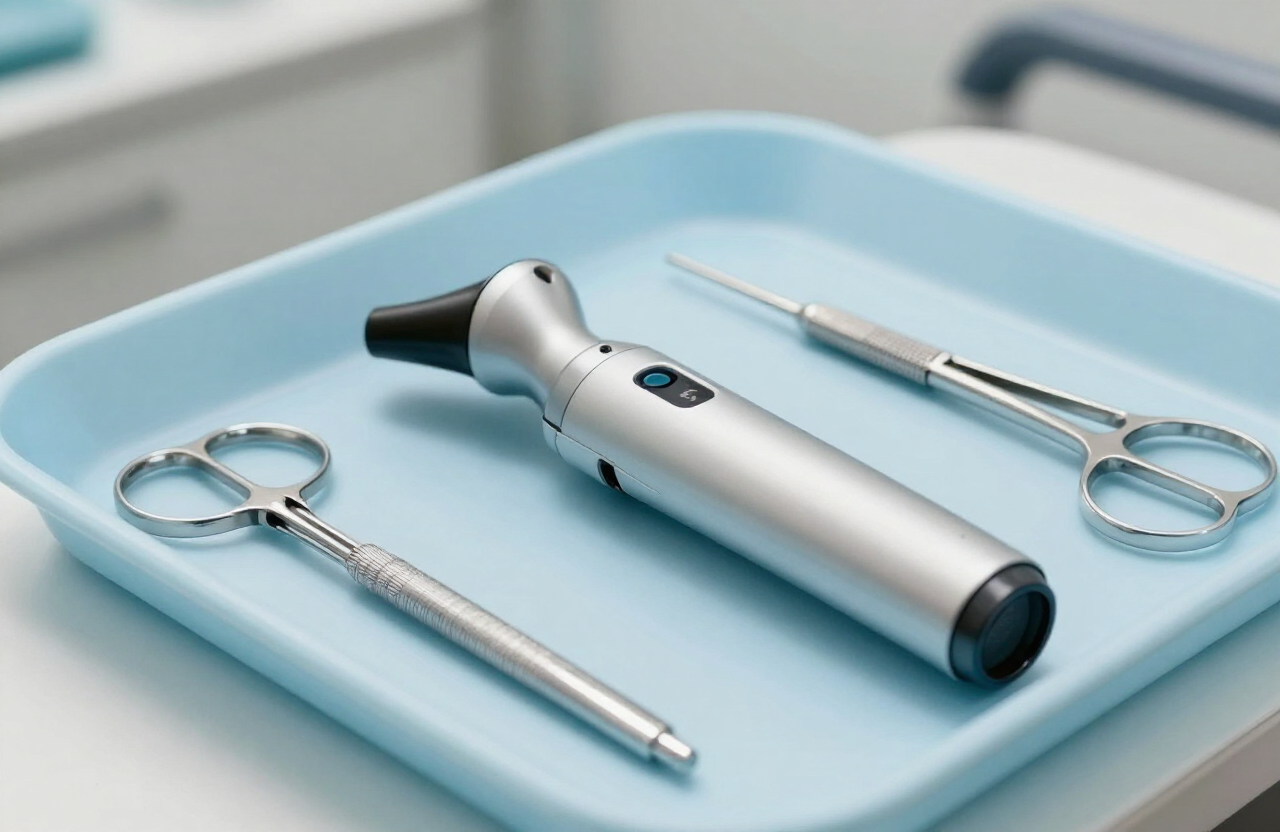
For most people, microsuction ear wax removal is not painful. You will hear a noticeable rushing or ticking noise and feel some unusual sensations — suction, mild fullness, occasionally a brief moment of dizziness — but sharp pain is not a normal part of the procedure. If anything does hurt, that is a signal to pause rather than something to push through. A careful practitioner will always check in with you and stop the moment you ask. Knowing this in advance is one of the simplest ways to take the worry out of booking, because the fear of pain is often far worse than the reality of the appointment. If you have been putting off ear wax removal because you are anxious about discomfort, the honest answer is that the vast majority of people find it entirely manageable.
Pain versus sensation
It helps to separate two things that often get muddled: pain and sensation. Microsuction produces plenty of sensation — the suction probe is working close to the eardrum, which is richly supplied with nerves, so you feel and hear a great deal. But sensation is not the same as pain. The ticking noise, the feeling of something drawing wax away, a sense of pressure or fullness: these are all expected, and they settle as soon as the probe is removed. Genuine pain — a sharp, stabbing or worsening ache — is different, and it is a reason to stop and reassess rather than carry on. Understanding this distinction before you arrive helps you interpret what you feel calmly, rather than mistaking a normal sensation for something going wrong.
What you actually feel during microsuction
During the procedure you are seated comfortably and asked to keep reasonably still while the practitioner views your ear canal under magnification. You will hear a fairly loud rushing or ticking sound from the suction — this can be startling at first simply because the probe is close to the eardrum, not because anything is wrong. You may feel a sensation of suction, mild tickling, or a sense of fullness as the wax is drawn away. Some people notice brief, mild dizziness, because the ear canal shares nerve pathways with your balance system; this usually passes within moments. None of this should be painful. If you would like a fuller walk-through of the whole appointment, our guide to what microsuction ear wax removal involves explains each step in more detail.
Why some people find it more uncomfortable
A few factors can make microsuction feel less comfortable, though still not necessarily painful. Hard, dry or impacted wax takes longer to ease out and can pull slightly on the canal skin, which is why we may advise softening drops beforehand — our preparation guide explains when these are suitable. A canal that is already inflamed, sore or infected is more sensitive, and removal usually needs to wait until it has settled. People with very sensitive hearing or a low tolerance for noise sometimes find the suction sound harder going, and anxiety can amplify every sensation. None of these mean the procedure is unsafe; they simply mean the appointment should be unhurried, with the practitioner checking in and adjusting their approach. If your ears are sore or you have noticed discharge, it is wiser to start with our symptoms guidance or your GP than to assume wax is the issue.
How a careful practitioner keeps you comfortable
A good practitioner does a great deal to keep you comfortable before the suction even starts. They examine your ear first to confirm microsuction is appropriate, explain what they will do, and warn you about the noise so it does not take you by surprise. They work under direct vision, so they are not guessing. They go at your pace, pause when you ask, and stop if anything is genuinely uncomfortable. You remain in control throughout — you can raise a hand or simply say “stop” at any point, and a considerate practitioner will respect that immediately. This is the standard of care we describe across our frequently asked questions, and it is a reasonable thing to expect from anyone you trust with your ears. Comfort is part of good treatment, not an optional extra.
When discomfort means you should stop
There is a meaningful difference between the normal sensations of microsuction and discomfort that should halt the procedure. Sharp or stabbing pain, pain that builds rather than settles, significant dizziness that does not pass, or an ear that is simply too sore to continue are all reasons to stop. A responsible practitioner will not push through these signs — they will pause, examine the canal, and advise on the right next step, which may mean softening the wax and returning another day, or seeking medical assessment if the canal looks inflamed or infected. Pushing through pain risks injuring the delicate skin of the canal or the eardrum, so honesty about how you feel protects you. The NICE clinical knowledge summary on earwax and NHS guidance on earwax both emphasise that removal should be appropriate to the ear in front of the practitioner, not applied regardless of comfort.
Microsuction versus irrigation: which feels better?
People often ask how microsuction compares with ear irrigation (syringing) for comfort. Neither method should be painful when performed on a suitable ear. Irrigation feels like a flow of warm water in the canal — usually painless, with a sense of fullness as the wax moves. Microsuction feels different: more noise, a sensation of suction, but no water. Some people find water in the ear unpleasant and prefer suction; others find the suction noise unsettling and prefer irrigation. The right method depends on your ear and history, not on which is universally more comfortable. Our comparison of microsuction versus ear irrigation sets out who each method suits, and at Cleaner Ears the price is the same whichever is appropriate for you — see our pricing for details.
After the appointment: what is normal
After microsuction, most people notice clearer hearing straight away, though sounds can seem a little louder than usual for a short time as your brain readjusts to unblocked input. Mild fullness or slight sensitivity often settles within hours. Keep the ear dry for a day or so and avoid inserting anything into the canal — no cotton buds, fingers or ear candles. If you wear hearing aids, you can usually resume them, but check with your practitioner. These aftercare steps, and the signs that warrant further advice, are covered in our preparation and aftercare guidance. A calm, unhurried appointment leaves you with clear instructions, not uncertainty.
When to seek advice afterwards
Most people recover without any issue, but certain symptoms should prompt you to seek advice rather than wait. New or worsening pain, discharge from the ear, bleeding, or significant dizziness all warrant a prompt check. Sudden hearing loss — especially in one ear, developing over three days or less — is a medical urgency: contact your GP or NHS 111 quickly rather than assuming it is related to the procedure. The NHS page on hearing loss explains when hearing changes need urgent assessment. Acting promptly on red-flag symptoms is always the right call, and a good clinic will want to hear from you if something does not seem right.
Frequently asked questions
A few questions come up often. “Does microsuction hurt more than syringing?” — not usually; the sensations differ, but neither should be painful on a suitable ear. “Can I take painkillers before microsuction?” — there is no need, as the procedure is not normally painful, but if anxiety is high, mention it when booking so the appointment can be unhurried. “Why does microsuction sound so loud?” — because the suction probe works close to the eardrum, so the noise is amplified; knowing this in advance helps. “Is microsuction safe if I have a sensitive ear?” — usually yes, provided an examination confirms it is suitable; a sensitive or sore canal may mean waiting or choosing a different approach. “What if I cannot tolerate the procedure?” — you can ask to pause or stop at any time, and a careful practitioner will respect that without question.
How Cleaner Ears can help
If anxiety about discomfort has been putting you off, we are happy to talk it through before you commit to anything. We assess your ears first, explain what we find, and only proceed with microsuction when it is genuinely appropriate for you — working at your pace, with hospital-grade equipment and qualified staff. Our pricing is transparent: £35 for one ear, £49 for both ears in a single appointment, £69 for foreign body removal, and £99 for a home visit, with a £30 consultation fee if no wax is cleared or found. You can book your appointment online, message us on WhatsApp, or use the contact form — and we will always be honest about whether ear care is the right next step for you.
A question about your ears?
We can explain our service and help you understand what to expect.
Book your appointment See all FAQsMore from Treatments explained
Microsuction ear wax removal: what to expect
A plain, step-by-step guide to microsuction — what happens during the procedure, how to prepare, the safety considerations and how to book.
Microsuction vs ear irrigation: which is better?
Two common ways to clear ear wax, compared plainly — how they work, who each suits, and why an assessment comes before either one.