Why preparation matters
Microsuction is generally a quick and well-tolerated procedure, but a little preparation can make it smoother, more comfortable, and more effective. Soft, well-hydrated wax is usually easier and gentler to remove than hard, dry wax, so what you do in the days before your appointment can genuinely affect how it goes. Preparation also means giving your practitioner the information they need to plan safely, and arriving knowing what to expect. This article walks through how to prepare for a microsuction appointment — from softening drops to what to tell your practitioner — so you arrive informed and at ease. As always, check with the clinic before starting any preparation, because not everything suits every ear, and the wrong preparation can sometimes do more harm than good.
Softening drops: the most useful step
The single most helpful thing you can do before microsuction is to soften the wax, if it is appropriate for you. Soft wax is easier and more comfortable to remove, and it can mean the procedure is quicker. Many clinics advise using softening drops for two to three days before your appointment. Common options include olive oil drops — a simple, gentle choice — or pharmacy ear drops designed to soften wax. Use them as directed, usually a few drops into the affected ear while lying on your side, for a few minutes before draining. However, drops are not suitable for everyone, so the next section is important, and you should never assume that because drops are available over the counter they are safe for your particular ears.
When drops are not suitable
Softening drops are not appropriate for every ear. If you have a perforated eardrum, an active ear infection, recent ear surgery, or any other existing ear condition, do not use drops unless a clinician has specifically advised it. Introducing drops into an unsuitable ear can cause harm — for example, by reaching the middle ear through a perforation. If you are unsure, ask the clinic before your appointment and before using anything. It is far better to arrive with hard wax and let the practitioner advise than to use drops that could cause a problem. Always check first, and tell your practitioner what you have used, so they have the full picture when they examine you.
Tell us your full ear history
When you book, and again at the start of your appointment, give your practitioner a full picture of your ear health. Mention any previous ear surgery, perforated eardrums, recurrent infections, or ear conditions. List any medications you take, since some can affect the ears. If you wear hearing aids, say so, and mention any recent changes in how they sound. Tell us about any allergies, and about any previous experiences with ear procedures — including if you found them uncomfortable or anxiety-provoking. This information helps your practitioner plan safely and tailor the appointment to you. Nothing is too small to mention if it relates to your ears or your comfort, and a complete history is the foundation of safe, personalised care.
What to do in the days before
In the days before your appointment, follow the clinic’s advice on softening drops if they are suitable for you. Avoid putting anything else into your ears — no cotton buds, fingers, or ear candles, which can push wax deeper or injure the canal. Try to keep the ears dry; if you swim, consider using ear protection. If you develop a cold, earache, or any discharge before the appointment, let the clinic know, because these may affect whether microsuction is appropriate or whether it should be rescheduled. Arriving with ears that are as healthy as possible gives the procedure the best chance of going smoothly, and it means the practitioner can focus on the wax rather than working around other issues.
On the day of your appointment
On the day, there is little you need to do beyond attending as planned. You can eat and drink normally. If you have been using softening drops, you can usually use them on the morning of the appointment unless advised otherwise. Bring your hearing aids and their case if you wear them, as you will need to remove them during the procedure. Bring a list of your medications if it helps you remember. If you feel anxious, consider bringing someone with you for support — a good clinic will welcome this. Arrive a few minutes early so you can settle, fill in any paperwork, and ask any last questions before the appointment begins.
What to expect when you arrive
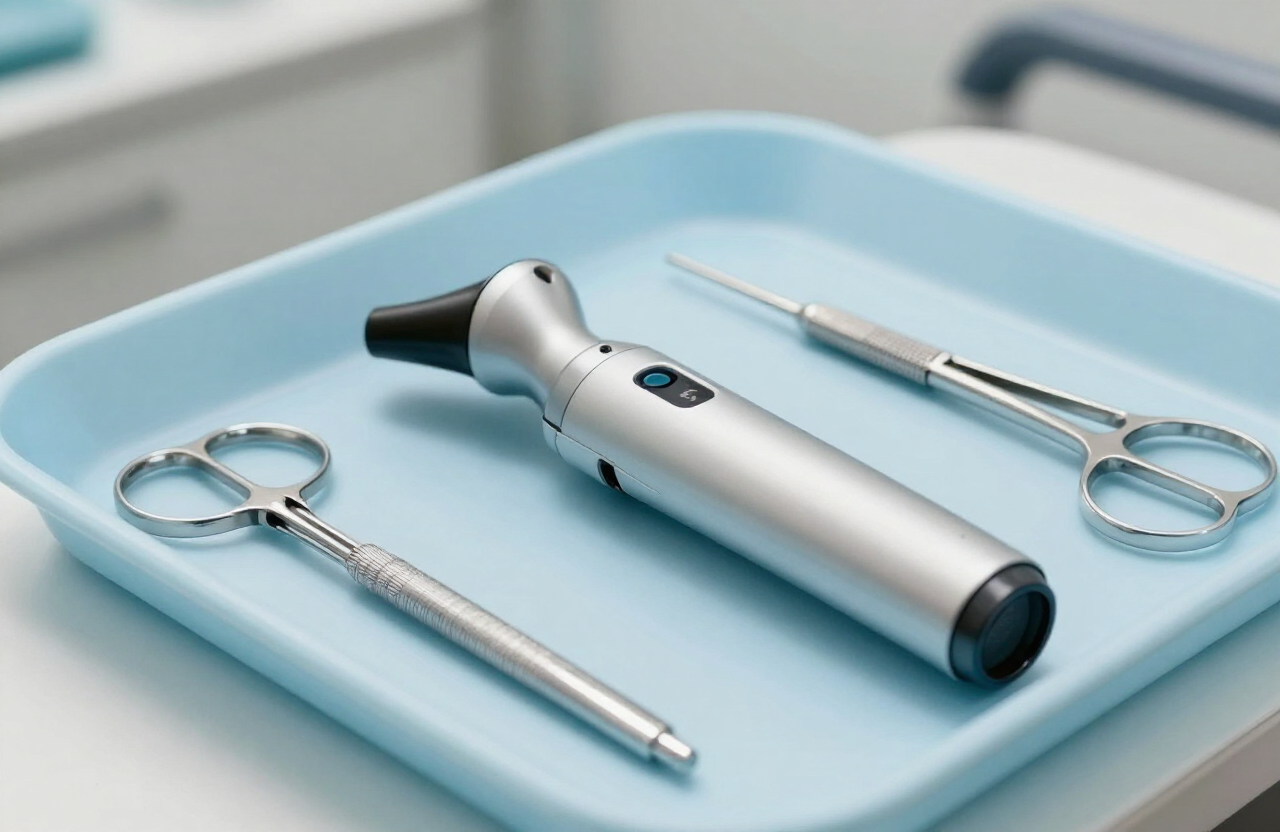
When you arrive, your appointment should begin with a conversation rather than treatment. Your practitioner will ask about your symptoms, your ear history, and what you hope to get from the visit. They will then examine your ears using an otoscope to see the canal and eardrum clearly. Only after this examination will they discuss whether microsuction is appropriate and, if so, proceed. You will be seated comfortably and asked to keep reasonably still. The practitioner uses magnification to view the canal while introducing the fine suction probe. You will hear some noise and feel a sensation of suction. You can ask for a pause or to stop at any point, and a good practitioner will check in with you throughout rather than working in silence.
If you feel anxious
It is common to feel a little anxious about ear procedures, particularly if you have not had one before or have had a difficult experience in the past. Let your practitioner know — they can take things at your pace, explain each step, and build in pauses. Some people find it helps to focus on slow breathing, or to have someone with them. If the noise of suction bothers you, mention it. A calm, unhurried appointment with a practitioner who listens makes a real difference. You are always in control: you can ask to pause or stop, and a good practitioner will respect that without question, because your comfort is part of delivering good care, not an optional extra.
Aftercare: what to do afterwards
After microsuction, keep the ear dry for a day or so and avoid inserting anything into the canal. If you wear hearing aids, you can usually resume wearing them, but check with your practitioner. Your hearing may feel clearer straight away, though sounds can seem a little louder than usual for a short time. Mild fullness or slight sensitivity often settles quickly. Your practitioner should give you aftercare guidance and explain which symptoms should prompt further advice. If you develop new or worsening pain, discharge, bleeding, significant dizziness, or a change in hearing, seek advice. Sudden hearing loss needs urgent assessment — contact your GP or NHS 111 rather than assuming it is related to the procedure.
What to bring and how to plan
A little planning makes the day smoother. Bring your hearing aids and their case, a list of medications, and any questions you want to ask — it is easy to forget them in the moment. If you have been using softening drops, note when you last used them. Plan to arrive a few minutes early, and arrange transport home if you feel uneasy about driving afterwards, particularly if you have felt dizzy. If you are bringing someone for support, let the clinic know so they can accommodate you both. These small steps remove friction from the day and let you focus on the appointment itself, which is the part that actually matters.
If you have a cold or infection before your appointment
If you develop a cold, earache, or any discharge in the days before your microsuction appointment, it is important to let the clinic know rather than simply attending. A heavy cold can affect the pressure in your ears and your comfort during the procedure, and an active ear infection usually means removal should wait until the canal has settled, because proceeding could cause pain or make the infection worse. Discharge, pain, swelling or a temperature are signs that need medical assessment rather than wax removal, and you should contact your GP or NHS 111 for advice. It can be frustrating to postpone an appointment you have been waiting for, but attending with an inflamed or infected ear is not safe and a responsible clinic will advise rescheduling. Most clinics are understanding about short-notice changes for genuine health reasons. If you are simply a little congested with no ear symptoms, ask the clinic whether to go ahead. The guiding principle is that microsuction should be performed on a healthy ear, and if yours is not, waiting is the right and safe choice, even if it means a short delay before you get the relief you are looking for. A brief wait for a healthy ear is far better than risking discomfort or complications by proceeding too soon.
Questions to ask your practitioner
A good appointment is a two-way conversation, and coming with questions helps you get the most from it. You might ask what the examination showed, and whether wax is actually the cause of your symptoms. You could ask which removal method is appropriate for your ears and why, and what the benefits and possible risks are. It is reasonable to ask what the procedure will feel like and how long it will take. You might ask what to expect afterwards, what aftercare to follow, and which symptoms should prompt you to seek further advice. If you wear hearing aids, ask when you can resume wearing them and whether any cleaning is needed. If you have had ear problems before, ask whether anything in your history affects the approach. And if you are unsure about anything you have been told, ask for clarification — a good practitioner welcomes questions rather than rushing past them. Writing your questions down beforehand helps, because it is easy to forget them in the moment. An informed patient is better able to look after their ears, and asking questions is one of the simplest ways to make sure the care you receive is right for you. No question about your own ears is too small to ask of someone caring for them.
What to do if microsuction is delayed
Sometimes microsuction cannot go ahead on the day, perhaps because the ear is not suitable, the wax is too hard and needs softening first, or an examination reveals something that needs a different assessment. If this happens, it is not a failure but a sign of careful, honest practice. Your practitioner should explain clearly what they found, why removal is not appropriate today, and what you should do next — whether that is using softening drops and returning, waiting for an infection to settle, or seeing your GP for a different issue. If softening drops are advised, ask whether they are suitable for you and how to use them. If a different assessment is needed, ask who to contact and how soon. It can be disappointing to leave without the relief you expected, but proceeding when it is not appropriate would risk your ears, and the right advice protects you. In the meantime, avoid inserting anything into your ears and keep them dry. Most delays are short, and returning after the right preparation or once an issue has settled usually means the next appointment goes smoothly, giving you the comfortable, clear result you were hoping for in the first place. Patience and the right preparation turn a delay into a better outcome next time.
After your appointment: what comes next
Thinking about what comes after your appointment helps you get the full benefit of microsuction. Once your ears are clear, you may notice an immediate improvement in hearing and comfort, though sounds can seem a little louder than usual for a short time as your ears adjust. Follow the aftercare advice you are given, keep the ears dry for a day or so, and avoid inserting anything into the canal. If you wear hearing aids, you can usually resume wearing them, and you may notice they perform better with clear canals. If your hearing does not fully improve after wax removal, a separate hearing assessment may be worthwhile, because reduced hearing has causes beyond wax. Note how your ears feel over the following days, and if wax tends to build up for you, consider whether periodic checks would help. Most people leave a microsuction appointment with clearer hearing and a simple plan for looking after their ears, and knowing what to expect afterwards makes the whole experience more reassuring and effective.
How to book with Cleaner Ears
If you are ready to book, Cleaner Ears makes it straightforward. We offer microsuction and ear wax removal at our clinics in Hayes, Ruislip and Wembley, with home visits available across our visit area. When you book — online, by WhatsApp, or through the contact form — we will talk you through any preparation, including whether softening drops are appropriate for you, and answer your questions. Our pricing is transparent: £35 for one ear, £49 for both ears in one appointment, £69 for foreign body removal, and £99 for a home visit, with a £30 consultation fee if no wax is found. We assess your ears first and only proceed when microsuction is genuinely appropriate — so you arrive prepared, and leave with clearer ears and clear guidance.
A question about your ears?
We can explain our service and help you understand what to expect.
Book your appointment See all FAQs